
 EN
EN
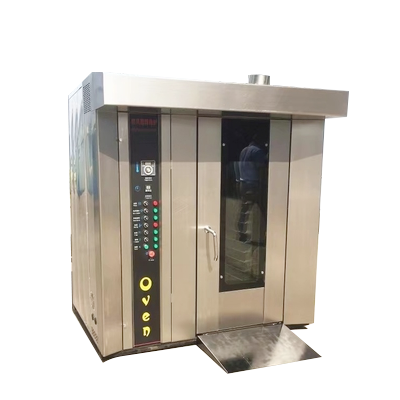
Commercial bakeries face the constant challenge of maintaining consistent baking quality while meeting high production demands. A bakery convection oven serves as the cornerstone of efficient large-scale operations, utilizing advanced airflow technology to ensure uniform heat distribution across multiple racks simultaneously. This sophisticated equipment transforms traditional baking limitations by creating controlled environments where hundreds of items can achieve identical results regardless of their position within the oven chamber.
The technology behind even baking in commercial environments relies on precise engineering and understanding of heat transfer principles. Modern facilities require equipment capable of handling massive throughput without compromising product quality, making the selection of appropriate oven systems critical for business success. Professional baking operations depend on consistent temperature control and airflow patterns to maintain standardized products that meet customer expectations every single batch.
Advanced Airflow Technology in Commercial Baking Systems
Multi-Directional Fan Systems
The heart of any effective bakery convection oven lies in its sophisticated fan system that generates consistent airflow throughout the baking chamber. Multiple high-powered fans work in coordination to create turbulent air patterns that eliminate hot spots and cold zones commonly found in conventional ovens. These systems typically feature variable speed controls allowing operators to adjust airflow intensity based on specific product requirements and loading configurations.
Strategic placement of fans ensures air circulation reaches every corner of the oven cavity, including areas behind fully loaded racks where stagnant air typically accumulates. The engineering design incorporates both horizontal and vertical airflow patterns, creating a three-dimensional circulation system that maintains temperature uniformity across all rack positions. This comprehensive approach enables bakeries to maximize oven capacity while guaranteeing consistent results regardless of product placement.
Heat Distribution Mechanisms
Effective heat distribution in a bakery convection oven depends on carefully designed air channels and baffles that direct heated air precisely where needed. These internal components work together to create laminar flow patterns that distribute thermal energy evenly across baking surfaces. The system maintains consistent heat transfer rates by continuously moving air across heating elements and throughout the oven chamber.
Temperature sensors positioned strategically throughout the oven provide real-time feedback to control systems, enabling automatic adjustments to maintain optimal baking conditions. This monitoring capability ensures that variations in ambient temperature, door openings, or product loading do not compromise the uniformity of heat distribution. Advanced models incorporate zone-specific temperature controls allowing different sections to operate at varying temperatures simultaneously.
Capacity Management and Production Efficiency
Multi-Rack Configuration Benefits
High-volume production facilities benefit significantly from the multi-rack capabilities of commercial bakery convection ovens, which can accommodate dozens of sheet pans or specialty racks simultaneously. This vertical stacking approach maximizes floor space utilization while maintaining consistent baking results across all levels. The design eliminates the traditional limitation where upper and lower positions produced different baking characteristics.
Rack rotation systems in advanced models ensure that all positions receive equal exposure to optimal baking conditions throughout the cooking cycle. This automation reduces labor requirements while guaranteeing uniform product quality regardless of rack position. The ability to process large quantities simultaneously enables bakeries to meet peak demand periods without extending production hours or compromising quality standards.
Loading and Unloading Optimization
Efficient workflow design in commercial baking operations requires careful consideration of loading and unloading procedures that minimize heat loss and production interruptions. Modern bakery convection oven systems incorporate rapid-closing doors and thermal barriers that maintain internal temperatures even during frequent access cycles. This design feature proves essential for continuous production environments where ovens remain in constant use throughout operating hours.
Automated loading systems integrated with some bakery convection oven models streamline the production process by reducing manual handling and improving consistency in rack placement. These systems ensure proper spacing between products and optimal positioning for maximum airflow effectiveness. The reduction in manual labor not only improves efficiency but also reduces the risk of burns and injuries associated with high-temperature equipment operation.
Temperature Control and Monitoring Systems
Precision Thermostatic Controls
Modern bakery convection oven systems incorporate sophisticated temperature control mechanisms that maintain precise thermal conditions throughout the baking process. Digital controllers provide accuracy within narrow temperature ranges, essential for products requiring specific thermal profiles for optimal texture and appearance. These systems respond rapidly to temperature fluctuations, making automatic adjustments to maintain consistent conditions.
Programmable temperature profiles allow operators to create custom baking cycles for different products, storing these programs for consistent reproduction. This capability proves invaluable for bakeries producing diverse product lines requiring varying thermal treatments. The ability to precisely control temperature ramp rates and holding periods ensures optimal results for delicate items that require gradual heating or specific temperature transitions.
Real-Time Monitoring Capabilities
Advanced monitoring systems in commercial bakery convection oven installations provide continuous feedback on operating conditions, enabling proactive maintenance and quality assurance. Digital displays show real-time temperature readings from multiple sensors, allowing operators to verify uniform conditions throughout the baking chamber. Data logging capabilities create permanent records of baking cycles for quality control and troubleshooting purposes.
Alarm systems alert operators to temperature deviations, equipment malfunctions, or maintenance requirements before they impact production quality. These early warning systems prevent product losses and minimize downtime by identifying issues during their initial stages. Remote monitoring capabilities in connected models allow management to oversee operations from off-site locations, providing flexibility in large-scale operations.
Energy Efficiency and Operating Cost Considerations
Insulation and Heat Retention
Commercial bakery convection oven designs prioritize energy efficiency through advanced insulation materials and construction techniques that minimize heat loss to the surrounding environment. Multi-layer insulation systems maintain high internal temperatures while keeping external surfaces at safe handling temperatures. This design approach reduces energy consumption while improving workplace safety and comfort.
Heat recovery systems in some models capture waste heat from exhaust streams, redirecting this energy to preheat incoming air or assist with other facility heating requirements. This recirculation capability significantly reduces overall energy consumption while maintaining optimal baking conditions. The economic benefits of improved energy efficiency become substantial in high-volume operations running multiple shifts daily.
Operating Cost Analysis
The total cost of ownership for a bakery convection oven extends beyond initial purchase price to include energy consumption, maintenance requirements, and productivity capabilities. Energy-efficient models may command higher initial investments but provide substantial savings through reduced utility costs over their operational lifetime. Calculating return on investment requires consideration of production capacity increases and labor savings alongside energy cost reductions.
Maintenance costs vary significantly between different bakery convection oven designs, with some requiring specialized service while others feature user-serviceable components. Preventive maintenance programs help extend equipment life and maintain peak performance, but the complexity and frequency of required services impact long-term operating costs. Facilities with in-house maintenance capabilities may prefer models with accessible components and comprehensive service documentation.
Product Quality and Consistency Factors
Texture and Appearance Uniformity
Achieving consistent product texture and appearance across large production batches requires precise control of moisture levels and heat exposure throughout the baking process. A properly functioning bakery convection oven maintains optimal humidity conditions while providing even heat distribution that produces uniform browning and texture development. This consistency proves critical for branded products where customer expectations demand identical results regardless of production batch.
The ability to control moisture levels during baking allows operators to achieve specific crust characteristics and internal texture profiles. Some bakery convection oven models incorporate steam injection systems that provide additional moisture control options for specialty products requiring specific humidity conditions. This versatility enables single equipment installations to handle diverse product lines without compromising quality standards.
Batch-to-Batch Reliability
Maintaining consistent quality across multiple production batches requires equipment capable of reproducing identical conditions reliably. Modern bakery convection oven systems achieve this through programmable controls that store and recall specific operating parameters for different products. This automation eliminates human variables that could lead to inconsistent results between different operators or shifts.
Quality assurance protocols benefit from the consistent operating conditions provided by properly maintained convection systems. The elimination of hot spots and temperature variations allows quality control personnel to establish reliable testing procedures and acceptance criteria. This consistency enables statistical process control methods that identify trends and variations before they impact customer satisfaction.
Maintenance and Longevity Strategies
Preventive Maintenance Protocols
Establishing comprehensive maintenance schedules ensures reliable operation and extends the service life of bakery convection oven installations. Regular cleaning of air circulation components prevents buildup that could impede airflow and compromise even heating performance. Filter replacement schedules maintain optimal air quality while protecting internal components from contamination.
Calibration of temperature sensors and control systems maintains accuracy over time, preventing gradual drift that could compromise product quality. Professional service technicians can identify wear patterns and component degradation before they cause equipment failures or quality issues. Documentation of maintenance activities provides valuable data for optimizing service intervals and identifying recurring issues.
Component Replacement and Upgrades
Strategic component replacement programs help maintain peak performance while managing operating costs effectively. High-wear items such as fan motors, heating elements, and door seals require periodic replacement based on usage patterns and operating conditions. Upgrading to improved components during routine maintenance can enhance performance and extend service intervals.
Technology upgrades to control systems and monitoring equipment can extend the useful life of existing bakery convection oven installations while adding new capabilities. These retrofits often provide better energy efficiency, improved temperature control, and enhanced monitoring capabilities without requiring complete equipment replacement. The economic benefits of selective upgrades often justify the investment while providing improved operational capabilities.
FAQ
What makes convection ovens superior for high-volume baking compared to conventional ovens
Convection ovens excel in high-volume applications because their forced air circulation eliminates hot spots and ensures uniform heat distribution across all rack positions. This technology allows bakeries to fully load ovens without experiencing uneven baking results that plague conventional ovens. The consistent airflow also reduces baking times by approximately 25-30%, enabling higher throughput while maintaining quality standards essential for commercial operations.
How do modern bakery convection ovens maintain temperature uniformity during frequent door openings
Advanced bakery convection oven designs incorporate rapid recovery systems that quickly restore optimal temperatures after door openings. High-capacity heating elements and powerful circulation fans work together to minimize temperature fluctuations during loading and unloading operations. Thermal barriers and efficient door sealing systems reduce heat loss, while sophisticated control systems automatically adjust heating output to compensate for temporary temperature drops during access periods.
What capacity considerations are important when selecting a convection oven for commercial bakery operations
Capacity selection should account for peak production requirements, available floor space, and future expansion plans. Consider both the number of sheet pans the oven can accommodate and the total baking chamber volume for irregularly shaped products. Evaluate loading efficiency, turnaround times, and the ability to handle multiple product types simultaneously. Factor in energy costs and utility requirements, as larger capacity models may require upgraded electrical or gas service installations.
How does proper airflow design prevent common baking problems in commercial environments
Proper airflow design eliminates moisture pockets that cause soggy bottoms, prevents over-browning from hot spots, and ensures consistent rise in yeasted products. Strategic air circulation patterns distribute heat evenly while removing moisture released during baking, preventing steam buildup that could affect crust formation. The continuous air movement also helps maintain consistent humidity levels throughout the baking chamber, crucial for achieving uniform texture and appearance in finished products.
Table of Contents
- Advanced Airflow Technology in Commercial Baking Systems
- Capacity Management and Production Efficiency
- Temperature Control and Monitoring Systems
- Energy Efficiency and Operating Cost Considerations
- Product Quality and Consistency Factors
- Maintenance and Longevity Strategies
-
FAQ
- What makes convection ovens superior for high-volume baking compared to conventional ovens
- How do modern bakery convection ovens maintain temperature uniformity during frequent door openings
- What capacity considerations are important when selecting a convection oven for commercial bakery operations
- How does proper airflow design prevent common baking problems in commercial environments