
 EN
EN
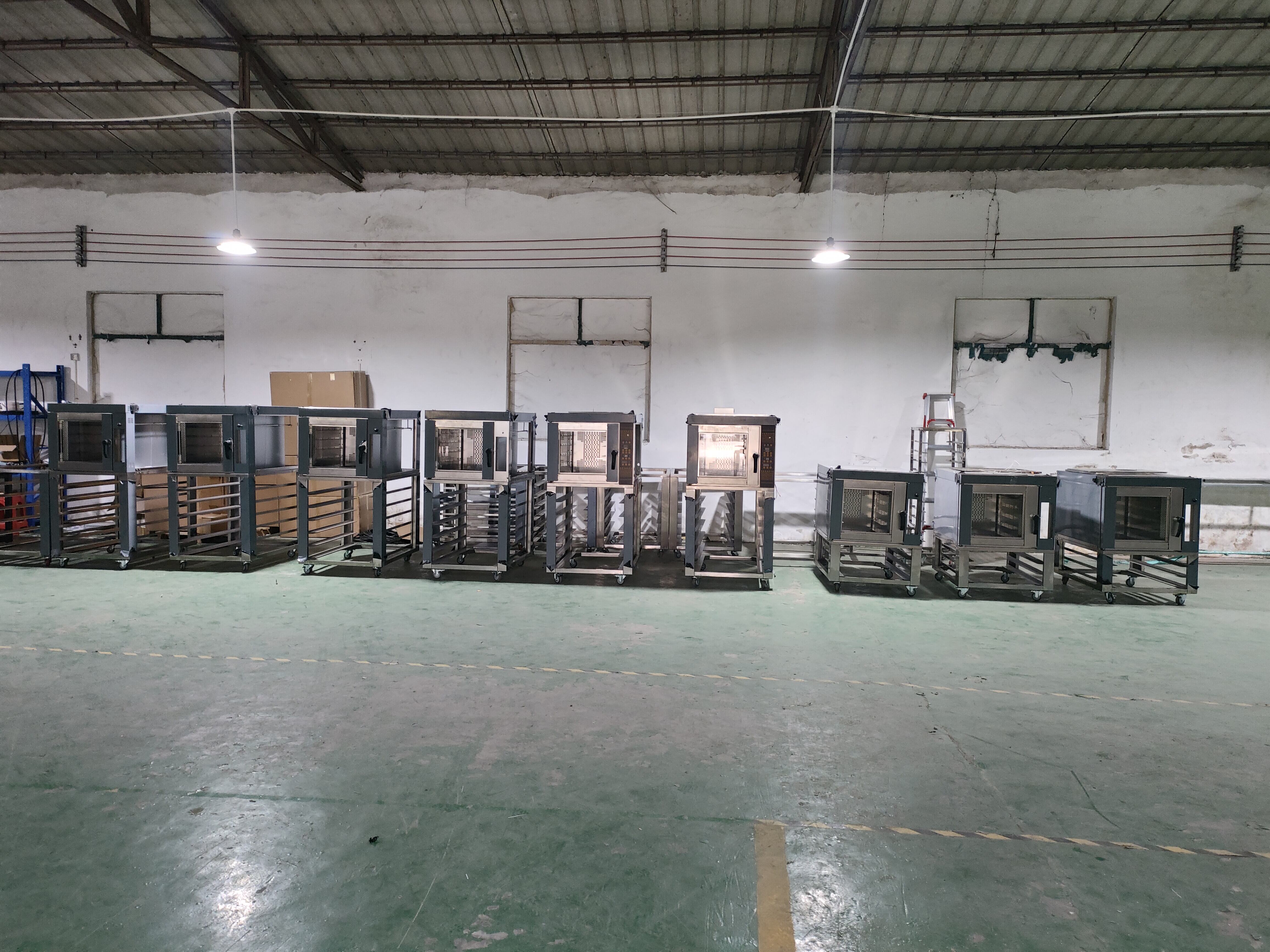
Professional baking operations require specialized equipment that can deliver consistent, high-quality results while maximizing efficiency and productivity. The choice between standard ovens and specialized commercial baking equipment significantly impacts product quality, energy consumption, and overall operational success. A bakery convection oven represents a critical investment for commercial food service establishments, offering distinct advantages that set it apart from conventional cooking appliances.
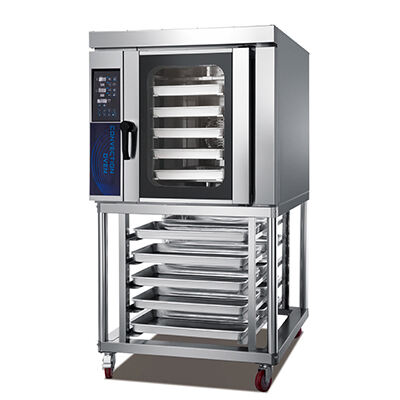
Fundamental Design and Operation Differences
Airflow Technology and Heat Distribution
The primary distinction between a bakery convection oven and regular ovens lies in the sophisticated airflow management system. Commercial bakery convection ovens incorporate powerful internal fans that continuously circulate heated air throughout the cooking chamber, creating uniform temperature zones and eliminating hot spots. This forced convection technology ensures consistent baking results across multiple rack positions, allowing bakers to maximize oven capacity without compromising product quality.
Regular home ovens typically rely on natural convection or radiant heating elements, where hot air rises naturally without mechanical assistance. This passive approach often results in temperature variations of 25-50 degrees Fahrenheit between different areas of the oven cavity. Professional baking operations cannot tolerate such inconsistencies, making the precise temperature control of a bakery convection oven essential for maintaining product standards and customer satisfaction.
Temperature Control and Precision
Professional bakery convection ovens feature advanced temperature control systems with digital precision typically within 2-3 degrees Fahrenheit of the set point. These systems incorporate multiple temperature sensors throughout the cooking chamber, providing real-time feedback to maintain optimal baking conditions. The sophisticated control algorithms automatically adjust heating elements and fan speeds to compensate for door openings, product loading, and ambient temperature changes.
Standard residential ovens generally offer less precise temperature control, with typical variations of 15-25 degrees from the displayed setting. This imprecision becomes problematic when producing delicate baked goods that require exact temperatures for proper texture, rise, and browning. Commercial baking success depends on the reliability and accuracy that only professional-grade equipment can provide.
Capacity and Production Capabilities
Volume and Scale Considerations
Commercial bakery convection ovens are engineered for high-volume production, typically accommodating multiple full-size sheet pans simultaneously across several rack positions. Professional models can handle 5-20 full sheet pans per batch, enabling efficient production of large quantities while maintaining consistent quality. The spacious interior design maximizes usable cooking space while ensuring adequate airflow around each product.
Home ovens are designed for family-sized portions, usually accommodating 1-2 standard baking sheets with limited vertical clearance. This capacity limitation makes them unsuitable for commercial production requirements. The size difference reflects the fundamental purpose distinction between equipment designed for household use versus commercial food service operations that must serve dozens or hundreds of customers daily.
Speed and Efficiency Advantages
The enhanced heat transfer efficiency of a bakery convection oven typically reduces cooking times by 15-25% compared to conventional ovens. This time savings directly translates to increased productivity and reduced energy consumption per unit of baked goods produced. The uniform heat distribution also enables bakers to load products with different baking requirements simultaneously, optimizing oven utilization and workflow efficiency.
Regular ovens require longer baking times and often necessitate rotating pans during cooking to achieve even browning. This additional labor requirement and extended cooking time reduces overall productivity and increases operational costs. Professional bakeries cannot afford these inefficiencies when competing in demanding commercial markets where timing and consistency determine business success.
Construction and Durability Standards
Materials and Build Quality
Professional bakery convection ovens utilize heavy-duty stainless steel construction throughout the cooking chamber, exterior panels, and internal components. This commercial-grade construction resists corrosion, withstands high-temperature cycling, and maintains structural integrity under continuous heavy use. The robust build quality ensures reliable operation through thousands of baking cycles while maintaining precise performance specifications.
Home ovens typically incorporate lighter-gauge materials and plastic components that would fail rapidly under commercial usage conditions. The construction standards reflect the expected usage patterns, with residential units designed for occasional family cooking rather than continuous professional operation. This fundamental difference in build quality affects not only durability but also thermal efficiency and temperature stability during operation.
Maintenance and Service Requirements
Commercial bakery convection ovens feature serviceable components designed for easy maintenance and repair by qualified technicians. Replaceable heating elements, accessible fan motors, and modular control systems minimize downtime when service is required. Professional equipment manufacturers provide comprehensive service support networks to ensure rapid repair response for critical commercial operations.
Regular home ovens often have integrated components that require complete unit replacement when major components fail. This design philosophy reflects the lower expected usage levels and different economic considerations for residential customers. Commercial operations require equipment that can be maintained and repaired efficiently to prevent costly production interruptions.
Energy Efficiency and Operating Costs
Power Consumption Characteristics
Modern bakery convection ovens incorporate energy-efficient heating elements and insulation systems that minimize heat loss while maximizing thermal transfer to baked products. The improved heat distribution reduces overall cooking times, lowering total energy consumption per batch despite higher instantaneous power requirements. Professional units often feature power management systems that optimize energy usage based on production schedules and demand patterns.
The forced convection design allows bakery convection ovens to operate effectively at lower temperatures than conventional ovens for many applications. This temperature reduction can decrease energy consumption by 10-15% while maintaining or improving product quality. The combination of reduced cooking times and lower operating temperatures contributes significantly to overall energy efficiency in commercial baking operations.
Long-term Economic Benefits
Professional bakery convection ovens deliver superior return on investment through increased productivity, reduced labor costs, and improved product consistency. The ability to bake larger quantities in shorter timeframes directly impacts profitability while reducing per-unit production costs. Quality consistency reduces waste and customer complaints, protecting brand reputation and customer retention rates.
Regular ovens cannot provide the production capacity or consistency required for profitable commercial operations. The initial cost savings of residential equipment quickly disappears when considering the lost revenue from reduced production capacity and potential quality issues. Commercial success requires equipment investments that support business objectives rather than limiting operational capabilities.
Applications and Versatility
Product Range and Adaptability
Commercial bakery convection ovens excel at producing a wide variety of baked goods, from delicate pastries requiring gentle heat to hearty breads demanding higher temperatures and steam injection. The precise temperature control and uniform heat distribution accommodate different product requirements without compromising quality. Professional bakers can seamlessly transition between product types while maintaining consistent results throughout their menu offerings.
The versatility of bakery convection ovens extends beyond traditional baking applications to include roasting, dehydrating, and specialized techniques like controlled browning for specific product finishes. This multi-functionality maximizes equipment utilization and provides operational flexibility that supports menu innovation and seasonal product offerings. The ability to handle diverse applications from a single piece of equipment optimizes kitchen space utilization and capital investment efficiency.
Professional Features and Controls
Advanced bakery convection ovens incorporate programmable controls that store multiple recipe profiles with precise time and temperature parameters. These memory functions ensure consistent reproduction of signature products while reducing operator skill requirements and minimizing human error. Digital displays provide clear feedback on cooking progress and system status, enabling operators to monitor multiple ovens simultaneously.
Professional features like steam injection systems, multiple fan speed settings, and exhaust controls provide bakers with the tools necessary to achieve specific product characteristics. These capabilities are essential for producing artisanal breads, delicate pastries, and specialty items that define successful bakery operations. Regular ovens lack these sophisticated features, limiting their effectiveness for professional applications.
FAQ
What is the main advantage of using a bakery convection oven over a regular oven
The primary advantage of a bakery convection oven is the uniform heat distribution achieved through forced air circulation, which eliminates hot spots and ensures consistent baking results across all rack positions. This technology reduces cooking times by 15-25% while improving product quality and enabling higher-volume production compared to regular ovens that rely on natural convection.
Can a regular home oven be used for commercial baking operations
Regular home ovens are unsuitable for commercial baking due to limited capacity, inconsistent temperature control, and construction materials that cannot withstand continuous heavy use. Commercial operations require the precision, durability, and high-volume capabilities that only professional bakery convection ovens can provide to maintain product quality and operational efficiency.
How much more energy efficient are bakery convection ovens compared to standard ovens
Bakery convection ovens typically consume 10-15% less energy per unit of baked goods produced due to reduced cooking times and the ability to operate at lower temperatures while maintaining product quality. The improved heat transfer efficiency and shorter baking cycles result in lower overall energy costs despite higher instantaneous power requirements.
What maintenance differences exist between commercial and residential ovens
Commercial bakery convection ovens feature serviceable components designed for easy maintenance and repair, with replaceable parts and accessible systems that minimize downtime. Regular home ovens often require complete unit replacement when major components fail, as they are not designed for the intensive maintenance schedules required in commercial applications.
Table of Contents
- Fundamental Design and Operation Differences
- Capacity and Production Capabilities
- Construction and Durability Standards
- Energy Efficiency and Operating Costs
- Applications and Versatility
-
FAQ
- What is the main advantage of using a bakery convection oven over a regular oven
- Can a regular home oven be used for commercial baking operations
- How much more energy efficient are bakery convection ovens compared to standard ovens
- What maintenance differences exist between commercial and residential ovens