
 EN
EN
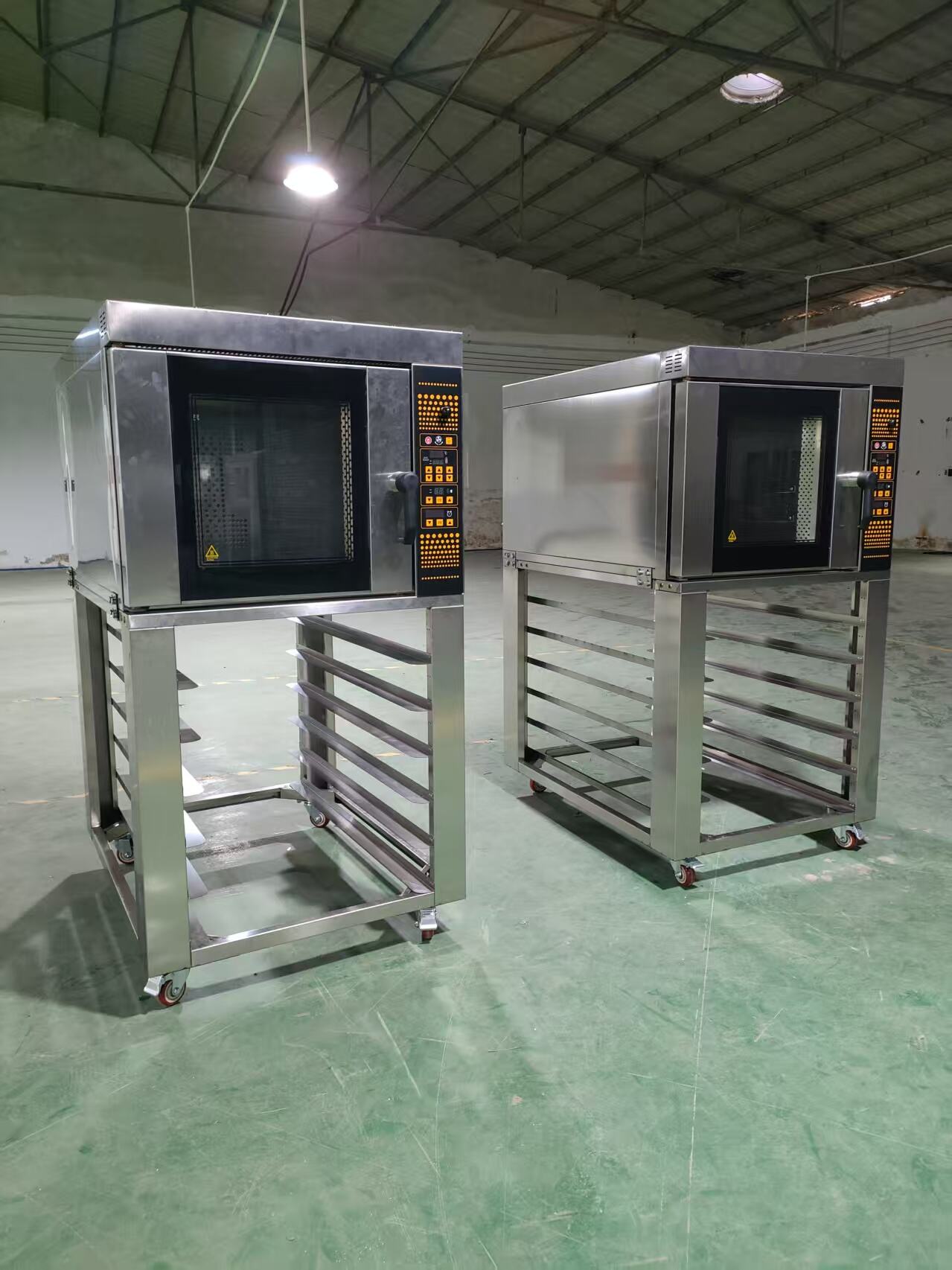
Starting a small bakery business requires careful consideration of essential equipment, particularly when selecting the right bakery convection oven. The size and capacity of your oven directly impacts production capabilities, energy efficiency, and overall operational costs. Small business owners must balance initial investment with long-term productivity goals while ensuring their chosen bakery convection oven meets current needs and allows for future growth. Understanding the various size options available helps entrepreneurs make informed decisions that support sustainable business development.
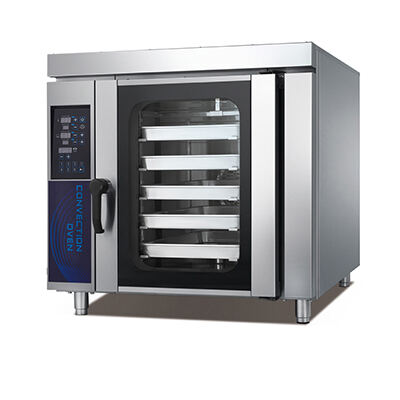
The commercial baking industry has evolved significantly over recent decades, with modern bakery convection oven technology offering enhanced efficiency and versatility for small-scale operations. Professional bakers understand that proper equipment selection forms the foundation of successful food service establishments. Whether producing artisanal breads, pastries, or specialty baked goods, the right oven size ensures consistent quality while maximizing operational efficiency and profitability.
Understanding Bakery Convection Oven Capacity Requirements
Determining Daily Production Needs
Small bakery businesses typically serve between 100 to 500 customers daily, requiring careful calculation of baking capacity needs. A properly sized bakery convection oven should accommodate peak production periods while maintaining energy efficiency during slower times. Consider factors such as product variety, baking times, and customer demand patterns when evaluating capacity requirements. Most small bakeries benefit from ovens capable of producing 200 to 800 pieces per hour, depending on item size and complexity.
Production planning involves analyzing your menu offerings and estimating realistic daily volumes for each product category. Bread production requires different timing compared to pastries or cookies, affecting overall oven utilization throughout operating hours. A well-chosen bakery convection oven enables efficient batch scheduling while maintaining consistent product quality across different baked goods categories.
Space Constraints and Kitchen Layout
Commercial kitchen space limitations often dictate bakery convection oven size selection more than production capacity alone. Small business locations typically allocate 150 to 400 square feet for baking operations, requiring compact yet efficient equipment solutions. Counter-top and floor-standing models offer different spatial advantages depending on existing kitchen infrastructure and workflow requirements.
Proper ventilation, electrical capacity, and accessibility must be considered when integrating a bakery convection oven into existing kitchen layouts. Equipment positioning affects staff efficiency and safety while ensuring compliance with local health department regulations. Strategic placement optimizes workflow patterns and reduces unnecessary movement during busy production periods.
Size Categories for Small Business Bakery Convection Ovens
Compact Counter-Top Models
Counter-top bakery convection oven units typically accommodate 2 to 6 full-size sheet pans, making them ideal for startup operations or specialized production needs. These compact models require minimal installation while providing professional-grade baking capabilities for small volumes. Dimensions generally range from 24 to 36 inches wide, fitting standard commercial counter configurations without extensive kitchen modifications.
Energy efficiency becomes particularly important with smaller bakery convection oven models, as they operate more frequently throughout the day compared to larger batch-style units. Modern compact ovens incorporate advanced insulation and precise temperature controls that reduce operating costs while maintaining consistent baking results. These units excel in producing artisanal items, specialty pastries, and limited-quantity seasonal offerings.
Mid-Size Floor-Standing Units
Floor-standing bakery convection oven models accommodating 8 to 20 sheet pans represent the sweet spot for most small bakery operations. These units balance production capacity with reasonable space requirements while offering advanced features like programmable controls and multiple baking modes. Installation typically requires dedicated floor space measuring 4 to 6 feet wide and appropriate electrical or gas connections.
Professional-grade features become more prevalent in mid-size units, including steam injection systems, digital programming capabilities, and enhanced air circulation patterns. A quality bakery convection oven in this category supports diverse product lines while maintaining operational flexibility for changing business needs. These ovens typically handle daily production volumes suitable for established small bakeries with steady customer bases.
Key Features Affecting Size Selection
Pan Configuration and Loading Systems
Modern bakery convection oven designs utilize various pan loading configurations that affect overall unit dimensions and operational efficiency. Roll-in rack systems require additional depth but streamline loading procedures for high-volume periods. Shelf-based configurations offer more compact footprints while maintaining adequate capacity for smaller operations with varied product sizes.
Understanding pan sizes and loading patterns helps optimize bakery convection oven utilization across different product categories. Full-size sheet pans measure 18 by 26 inches, while half-size pans accommodate smaller batches or specialty items. Oven internal dimensions must accommodate your preferred pan configuration with adequate clearance for proper air circulation and heat distribution.
Energy Efficiency and Utility Requirements
Electrical requirements for bakery convection oven units vary significantly based on size and heating capacity, typically ranging from 208V single-phase for smaller models to 480V three-phase for larger installations. Gas-powered alternatives offer different operational characteristics and may provide cost advantages depending on local utility rates and availability.
Energy efficiency ratings directly impact long-term operational costs, making this a critical consideration for small business profitability. Modern bakery convection oven technology incorporates improved insulation, efficient heating elements, and intelligent temperature management systems that reduce energy consumption while maintaining optimal baking performance. Proper sizing ensures efficient operation without excessive energy waste during normal production cycles.
Installation and Operational Considerations
Ventilation and Safety Requirements
Proper ventilation design becomes increasingly important as bakery convection oven size increases, requiring adequate exhaust capacity to remove heat, moisture, and combustion byproducts safely. Local building codes specify minimum ventilation requirements based on equipment BTU ratings and kitchen square footage. Professional installation ensures compliance while optimizing air quality and staff comfort.
Safety considerations include adequate clearance around the bakery convection oven for maintenance access and emergency procedures. Fire suppression systems may require specific positioning relative to cooking equipment, affecting overall kitchen layout and equipment placement decisions. Regular maintenance schedules become more complex with larger units but remain essential for safe, efficient operation.
Staff Training and Workflow Integration
Bakery convection oven size directly affects staff training requirements and daily operational procedures within small business environments. Larger units often include more sophisticated controls and programming options that require additional training but offer greater production flexibility. Smaller units provide simpler operation while potentially limiting production efficiency during busy periods.
Workflow optimization involves positioning the bakery convection oven to minimize staff movement while maintaining logical production sequences from preparation through finished product storage. Equipment size affects accessibility for cleaning, maintenance, and loading procedures that occur multiple times daily. Proper integration supports efficient operation while reducing physical strain on staff members during extended production periods.
Cost Analysis and Return on Investment
Initial Investment Considerations
Bakery convection oven prices vary dramatically based on size, features, and construction quality, typically ranging from $3,000 for compact counter-top models to $25,000 for full-size commercial units. Small businesses must balance initial capital investment with anticipated production volumes and revenue generation capabilities. Financing options and equipment leasing programs can make larger bakery convection oven purchases more accessible for growing operations.
Total cost of ownership includes installation expenses, utility connections, ventilation modifications, and ongoing maintenance contracts that vary significantly based on equipment size and complexity. Larger bakery convection oven units often provide better per-unit production costs while requiring higher upfront investments that may strain small business cash flow during startup phases.
Long-Term Operational Savings
Energy efficiency improvements in modern bakery convection oven technology can reduce operational costs by 15 to 30 percent compared to older conventional models. Proper sizing ensures optimal energy utilization without oversized equipment running inefficiently during normal production periods. Programmable controls and automated features reduce labor requirements while improving consistency and reducing waste.
Production capacity increases from appropriately sized bakery convection oven equipment enable business growth without requiring additional major equipment purchases. Efficient units support extended operating hours and increased product variety that can significantly boost revenue generation. Quality construction and reliable operation reduce maintenance costs and minimize unexpected downtime that disrupts business operations.
Selecting the Right Size for Your Business
Growth Planning and Future Needs
Successful small bakery businesses often experience rapid growth during initial years, making it essential to select a bakery convection oven size that accommodates expansion without requiring immediate replacement. Consider projected customer growth, potential menu expansion, and seasonal volume variations when evaluating capacity requirements. Slightly oversizing equipment provides operational flexibility while avoiding premature replacement costs.
Market research and competitor analysis help establish realistic growth projections that inform bakery convection oven size decisions. Understanding local market demands and seasonal patterns enables more accurate capacity planning. Equipment flexibility becomes particularly valuable for businesses planning to expand into catering, wholesale, or specialty product markets that require different production capabilities.
Budget Constraints and Financing Options
Small business budgets often require creative financing solutions to acquire appropriately sized bakery convection oven equipment without compromising operational capability. Equipment financing, lease programs, and used equipment markets offer alternatives to large cash purchases. Comparing total cost of ownership across different size options helps identify the most cost-effective solution for specific business situations.
Return on investment calculations should include increased production capacity, improved energy efficiency, and reduced labor requirements that larger bakery convection oven units often provide. Professional equipment appraisals and maintenance histories become important factors when considering used equipment purchases. Quality manufacturers often provide warranty programs and service support that protect investments while ensuring reliable operation.
FAQ
What size bakery convection oven is best for a startup bakery
Startup bakeries typically benefit from compact to mid-size bakery convection oven units accommodating 4 to 12 sheet pans, providing adequate capacity for initial production needs while maintaining manageable operating costs. Counter-top models work well for specialized operations, while floor-standing units offer better growth potential. Consider your projected daily production volume, available kitchen space, and initial budget when selecting equipment size.
How much space do I need for a commercial bakery convection oven
Space requirements vary significantly based on bakery convection oven size and configuration, typically requiring 6 to 12 square feet of floor space plus adequate clearance for ventilation and maintenance access. Counter-top models need minimal space but require sturdy commercial counters, while floor-standing units need dedicated floor areas. Include space for loading carts, ingredient storage, and staff movement in your layout planning.
What are the typical operating costs for different oven sizes
Operating costs for bakery convection oven equipment depend on size, energy source, and usage patterns, typically ranging from $200 to $800 monthly for electricity or gas. Smaller units consume less energy but may operate more frequently, while larger ovens use more power during operation but complete batches more efficiently. Energy-efficient models can reduce costs by 20 to 40 percent compared to standard units.
Can I upgrade to a larger bakery convection oven later
Upgrading to larger bakery convection oven equipment is certainly possible but requires careful planning for installation, ventilation modifications, and utility upgrades that can be expensive. Many successful bakeries start with appropriately sized equipment and add additional units rather than replacing existing ovens. Consider future space availability and utility capacity when planning initial installations to facilitate easier expansion.