
 EN
EN
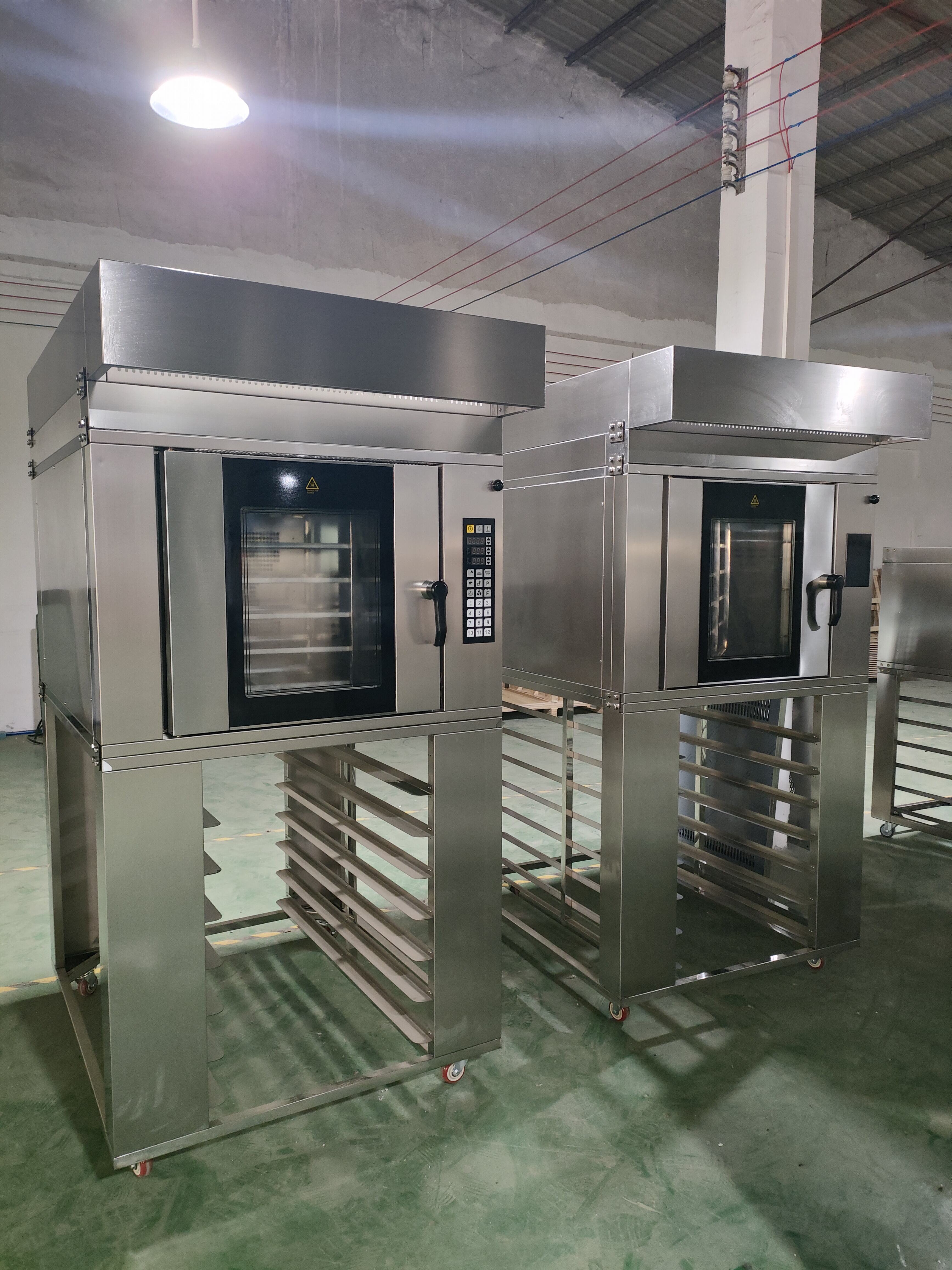
Understanding the investment required for a quality bakery convection oven in 2026 is crucial for bakery owners, restaurant operators, and foodservice establishments planning their equipment purchases. The bakery convection oven market has evolved significantly, with pricing structures reflecting advances in technology, energy efficiency standards, and specialized features designed for commercial baking operations. Modern bakery convection ovens offer enhanced performance capabilities that justify their investment through improved productivity, consistent results, and operational efficiency gains that directly impact your bottom line.
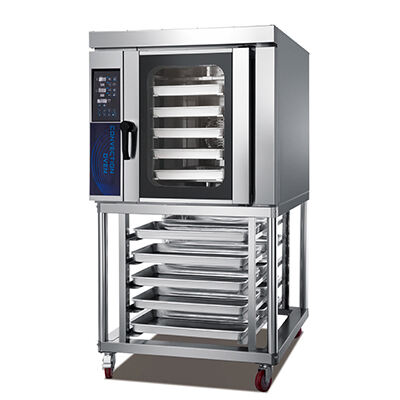
Current Market Pricing for Bakery Convection Ovens
Entry-Level Commercial Models
Entry-level bakery convection oven options in 2026 typically range from $3,500 to $7,500 for basic commercial models. These units generally feature standard convection technology with basic digital controls and accommodate smaller production volumes. While these models lack advanced features, they provide reliable performance for startup bakeries or establishments with limited baking requirements. The pricing reflects essential functionality without premium features like steam injection or advanced programming capabilities.
Most entry-level units offer single-rack capacity with basic temperature and timer controls. These bakery convection oven models typically feature manual operation with limited programmable settings. Despite their lower price point, quality entry-level models still incorporate proper insulation, reliable heating elements, and adequate ventilation systems necessary for consistent baking results in commercial environments.
Mid-Range Professional Options
Mid-range bakery convection oven models command prices between $7,500 and $15,000, offering enhanced features and increased capacity. These units typically include multiple rack positions, advanced digital controls, and improved energy efficiency ratings. The price increase reflects better build quality, more precise temperature control, and additional convenience features that improve operational efficiency and product consistency.
Professional mid-range models often incorporate steam injection capabilities, programmable recipe storage, and enhanced insulation for better heat retention. These bakery convection oven units frequently feature stainless steel construction throughout, providing durability and ease of cleaning essential for commercial food preparation environments. The investment in mid-range equipment often pays dividends through reduced energy costs and improved production consistency.
Premium and Specialty Bakery Convection Ovens
High-End Commercial Systems
Premium bakery convection oven systems range from $15,000 to $35,000, representing the pinnacle of commercial baking technology. These units incorporate advanced features like precise humidity control, multiple cooking modes, and sophisticated programming capabilities. The higher investment reflects superior construction quality, enhanced performance capabilities, and specialized features designed for high-volume commercial operations.
High-end models often feature touchscreen interfaces, remote monitoring capabilities, and advanced diagnostic systems that minimize downtime. These bakery convection oven units typically include features like automatic cleaning cycles, energy recovery systems, and modular design options that allow for customization based on specific operational requirements. The premium pricing reflects the advanced engineering and specialized components required for professional-grade performance.
Custom and Specialized Solutions
Custom bakery convection oven installations can exceed $35,000, particularly for specialized applications or unique operational requirements. These solutions often involve custom sizing, specialized heating systems, or integration with existing production lines. The pricing reflects the engineering expertise, custom manufacturing processes, and specialized installation requirements necessary for bespoke solutions.
Specialized applications might require unique features like specific temperature ranges, custom rack configurations, or specialized ventilation systems. Custom bakery convection oven solutions often incorporate advanced automation features, integration capabilities with other equipment, and specialized safety systems that justify the premium investment through enhanced operational efficiency and product quality.
Factors Influencing Bakery Convection Oven Costs
Size and Capacity Considerations
The physical dimensions and baking capacity significantly impact bakery convection oven pricing, with larger units commanding proportionally higher prices. Capacity is typically measured in rack positions or pan capacity, with each additional rack position adding to the overall cost. Commercial units range from single-rack countertop models to full-size units accommodating twenty or more sheet pans simultaneously.
Footprint considerations also influence pricing, as compact designs requiring specialized engineering often cost more per unit of capacity than standard-sized models. The bakery convection oven capacity requirements should align with production volumes and available kitchen space to optimize the investment. Larger capacity units often provide better value per unit of production capacity while requiring higher initial investment.
Technology and Feature Integration
Advanced technology features substantially impact bakery convection oven pricing, with sophisticated control systems and automation capabilities commanding premium prices. Digital controls, programmable recipes, and remote monitoring capabilities add significant value for commercial operations while increasing initial investment requirements. Modern units often incorporate energy-saving features that provide long-term operational savings despite higher upfront costs.
Steam injection systems, humidity controls, and multi-stage cooking programs represent advanced features that enhance baking capabilities while increasing equipment costs. These bakery convection oven features enable more diverse product offerings and improved consistency, potentially justifying higher investment through expanded revenue opportunities. The technology integration level should match operational requirements and staff capabilities to maximize return on investment.
Installation and Operational Cost Considerations
Installation Requirements and Costs
Professional installation costs for bakery convection oven systems typically range from $500 to $3,000, depending on complexity and infrastructure requirements. Installation expenses include electrical work, ventilation modifications, and potentially gas line installation for gas-powered units. Complex installations requiring significant infrastructure modifications can substantially increase total project costs beyond the equipment purchase price.
Ventilation requirements often represent a significant portion of installation costs, particularly for high-capacity bakery convection oven installations. Proper ventilation ensures safe operation while maintaining comfortable working conditions and compliance with local health codes. Professional installation ensures optimal performance while protecting equipment warranties and ensuring regulatory compliance.
Ongoing Operational Expenses
Energy consumption represents a significant operational expense for bakery convection oven systems, with modern units featuring improved efficiency ratings that reduce long-term operating costs. Energy-efficient models may command higher purchase prices but provide substantial savings through reduced utility expenses over the equipment lifespan. Understanding energy consumption patterns helps evaluate total cost of ownership beyond initial purchase price.
Maintenance and repair costs should factor into total ownership calculations, with higher-quality bakery convection oven models typically requiring less frequent service while offering longer operational lifespans. Regular maintenance ensures optimal performance while preventing costly emergency repairs. Extended warranty options provide additional protection against unexpected repair expenses while ensuring continued operation.
Return on Investment and Value Analysis
Production Efficiency Benefits
Quality bakery convection oven systems provide substantial production efficiency improvements that justify their investment through increased output capacity and improved product consistency. Enhanced heat circulation and precise temperature control enable faster baking times while maintaining quality standards. These efficiency gains translate directly into increased production capacity without proportional increases in labor costs.
Consistent baking results reduce waste and improve customer satisfaction, contributing to enhanced profitability. Modern bakery convection oven systems enable more predictable production scheduling and improved inventory management. The ability to handle diverse product types in a single unit provides operational flexibility that supports expanded menu offerings and increased revenue potential.
Long-Term Value Proposition
Quality bakery convection oven investments provide long-term value through durability, reliability, and enhanced capabilities that support business growth. Higher-quality units typically offer extended lifespans with consistent performance, reducing replacement frequency and total cost of ownership. The reliability of premium units minimizes operational disruptions that can impact customer service and revenue generation.
Advanced features and capabilities enable businesses to adapt to changing market demands and expand product offerings without additional equipment investments. Modern bakery convection oven systems often include upgrade capabilities and modular features that extend useful life and maintain relevance as business requirements evolve. The flexibility and adaptability of quality systems provide long-term value that justifies higher initial investment.
FAQ
What is the average lifespan of a commercial bakery convection oven?
A quality commercial bakery convection oven typically lasts 10 to 15 years with proper maintenance and regular service. Higher-end models often exceed this lifespan, providing reliable service for 15 to 20 years or more. The actual lifespan depends on usage intensity, maintenance quality, and operating conditions. Regular preventive maintenance significantly extends equipment life while maintaining optimal performance throughout the operational period.
Are there financing options available for bakery convection oven purchases?
Most commercial equipment dealers offer financing options for bakery convection oven purchases, including lease arrangements, equipment financing, and rental programs. Financing terms typically range from 24 to 84 months, with competitive interest rates for qualified businesses. Leasing options often include maintenance packages and upgrade provisions that provide additional value. Many manufacturers also offer direct financing programs with promotional terms for qualified purchasers.
How much should I budget for annual maintenance costs?
Annual maintenance costs for a bakery convection oven typically range from 3% to 7% of the original purchase price, depending on usage intensity and unit complexity. This includes routine service, replacement parts, and minor repairs. Higher-end units may have slightly lower maintenance costs due to superior build quality and reliability. Preventive maintenance contracts often provide cost predictability while ensuring optimal performance and extending equipment lifespan.
What energy efficiency features should I look for to minimize operating costs?
Look for bakery convection oven models with enhanced insulation, variable-speed fans, and energy recovery systems to minimize operating costs. ENERGY STAR certification indicates superior efficiency standards that translate into reduced utility expenses. Advanced control systems with precise temperature management reduce energy waste while maintaining consistent results. Heat recovery systems and programmable shut-down features provide additional energy savings during non-production periods.