
 EN
EN
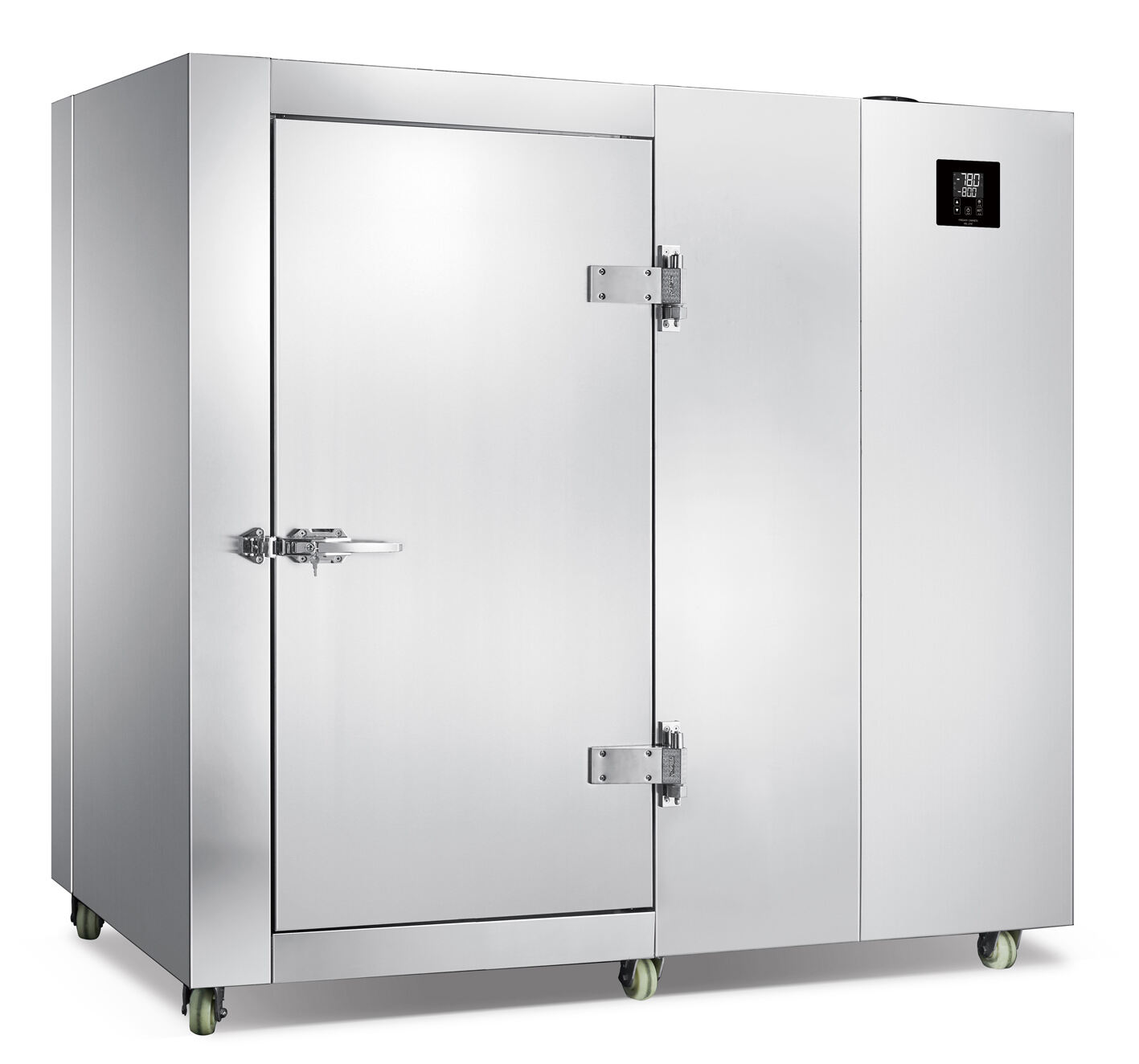
Professional bakeries worldwide rely on specialized equipment to produce consistently high-quality baked goods, and among the most critical pieces of equipment is the bakery deck oven. This fundamental baking apparatus transforms raw dough into perfectly baked bread through controlled heat distribution and steam injection capabilities. Unlike conventional ovens, a bakery deck oven provides the precise temperature control and even heat distribution essential for achieving the golden crusts and tender interiors that customers expect from artisanal breads.
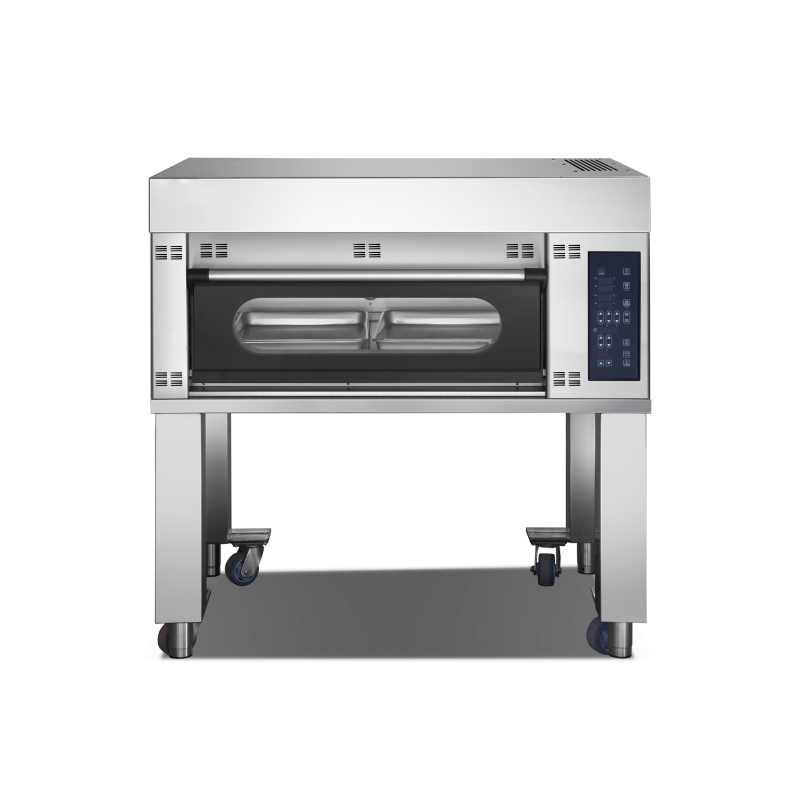
Understanding Bakery Deck Oven Technology
Heat Distribution Mechanisms
The superior heat distribution in a bakery deck oven stems from its unique stone or steel deck construction. These materials absorb and radiate heat evenly across the baking surface, eliminating hot spots that can cause uneven browning or texture variations. The thermal mass of the deck maintains consistent temperatures throughout the baking cycle, ensuring each loaf receives uniform heat exposure from bottom to top.
Modern bakery deck ovens incorporate advanced heating elements positioned both above and below the baking surface. This dual heating system allows bakers to control top and bottom heat independently, creating optimal conditions for different bread types. The radiant heat from the deck surface provides the intense bottom heat necessary for proper crust development, while overhead elements ensure adequate top browning without over-baking.
Steam Injection Systems
Professional bakery deck ovens feature sophisticated steam injection systems that dramatically improve bread quality. Steam introduction during the initial baking phase keeps the dough surface moist and pliable, allowing for maximum oven spring as the bread expands. This moisture creates the ideal environment for developing the thin, crispy crusts characteristic of artisan breads while maintaining soft, airy interiors.
The timing and duration of steam injection directly influence final product quality. Most bakery deck ovens allow precise control over steam release, enabling bakers to customize moisture levels for different bread varieties. European-style breads benefit from extended steam periods, while sandwich loaves require minimal moisture to achieve their characteristic soft crusts.
Quality Enhancement Through Precise Temperature Control
Multi-Zone Temperature Management
Advanced bakery deck ovens offer independent temperature zones, allowing simultaneous baking of different products with varying heat requirements. This capability maximizes production efficiency while maintaining product quality standards. Bakers can dedicate specific decks to particular bread types, ensuring optimal baking conditions without compromising other products in the oven.
Temperature consistency within each zone remains crucial for achieving uniform results. Quality bakery deck ovens maintain temperature variations of less than five degrees Fahrenheit across the entire baking surface. This precision prevents the common problems of over-baked edges and under-baked centers that plague conventional ovens with poor heat distribution.
Thermal Recovery and Energy Efficiency
The thermal mass advantage of a bakery deck oven extends beyond even heating to include superior thermal recovery between baking cycles. When oven doors open for loading or unloading, the stored heat in the deck quickly restores optimal baking temperatures. This rapid recovery minimizes temperature fluctuations that could affect subsequent batches and maintains consistent product quality throughout production runs.
Energy efficiency improvements in modern bakery deck ovens translate to both cost savings and environmental benefits. Enhanced insulation materials and optimized combustion systems reduce energy consumption while maintaining superior performance. Many commercial bakeries report energy savings of twenty to thirty percent when upgrading to high-efficiency deck ovens compared to older models.
Crust Development and Texture Optimization
Maillard Reaction Enhancement
The controlled environment within a bakery deck oven promotes optimal Maillard reactions that create the complex flavors and appealing colors associated with quality bread. The combination of precise temperature control and appropriate humidity levels accelerates these beneficial chemical reactions while preventing the formation of bitter compounds that can result from excessive heat.
Professional bakers understand that crust development requires a delicate balance of time, temperature, and moisture. A properly calibrated bakery deck oven provides the tools necessary to achieve this balance consistently across different bread varieties. The radiant heat from the deck surface initiates rapid crust formation while steam maintains surface flexibility during the crucial initial baking minutes.
Interior Texture and Crumb Structure
Beyond crust quality, bakery deck ovens significantly impact the internal structure of bread. The gentle, consistent heat penetration allows for proper gluten development and gas retention during the baking process. This results in the open, irregular crumb structure prized in artisanal breads and the fine, even texture desired in commercial sandwich loaves.
Temperature gradients within the oven chamber influence how moisture moves through the dough during baking. Bakery deck ovens create optimal gradients that drive moisture from the interior toward the surface, concentrating flavors while preventing soggy textures. This moisture migration process requires precise control that only professional-grade equipment can provide consistently.
Production Efficiency and Workflow Integration
Batch Size and Loading Flexibility
Commercial bakery deck ovens accommodate various batch sizes and product configurations, maximizing production flexibility without sacrificing quality. Multiple deck levels allow simultaneous baking of different products or increased volume of identical items. This versatility proves essential for bakeries serving diverse customer needs or managing varying production schedules throughout the day.
Loading systems in modern bakery deck ovens facilitate efficient workflow integration. Removable stone hearths, steam-tight doors, and ergonomic design features minimize labor requirements while ensuring consistent product placement. These operational improvements reduce production time and physical strain on bakery staff while maintaining the precision necessary for quality results.
Automation and Monitoring Capabilities
Contemporary bakery deck ovens incorporate digital control systems that automate critical baking parameters while providing real-time monitoring capabilities. These systems maintain precise temperature and humidity levels throughout the baking cycle, reducing the skill level required for consistent results while improving overall product quality. Automated steam injection timing and temperature ramping ensure optimal conditions for different bread varieties.
Data logging features in advanced bakery deck ovens enable quality assurance tracking and process optimization over time. Bakers can analyze historical performance data to identify trends, optimize recipes, and troubleshoot quality issues. This analytical capability transforms traditional baking from an art form into a precise science while preserving the craftsmanship that customers value.
Equipment Integration and Supporting Systems
Complementary Bakery Equipment
Successful bakery operations integrate bakery deck ovens with complementary equipment systems for optimal workflow efficiency. A quality bakery food mixer ensures proper dough development before baking, while refrigerated cabinets maintain ingredient freshness and provide controlled fermentation environments. This integration creates seamless production processes that maximize both quality and efficiency.
Temperature-controlled storage solutions work in harmony with bakery deck ovens to maintain product quality throughout the production and sales cycle. Blast freezers rapidly cool baked goods to preserve texture and extend shelf life, while specialized display equipment like cake showcases and ice cream showcases maintain optimal presentation conditions. This systematic approach ensures quality preservation from production through final sale.
Maintenance and Longevity Considerations
Regular maintenance protocols extend the operational life of bakery deck ovens while maintaining consistent performance standards. Daily cleaning procedures, periodic calibration checks, and preventive component replacement schedules minimize downtime and prevent quality degradation. Professional-grade ovens typically feature accessible maintenance points and durable construction materials that facilitate routine care procedures.
Investment in quality bakery deck ovens provides long-term value through reduced operating costs and consistent product quality. Properly maintained units often operate efficiently for decades, making them cost-effective solutions for serious bakery operations. The initial investment in professional-grade equipment pays dividends through improved product quality, reduced waste, and enhanced customer satisfaction.
FAQ
What makes a bakery deck oven different from a conventional oven?
A bakery deck oven features stone or steel decks that provide superior heat retention and distribution compared to conventional ovens. The thermal mass of these decks creates consistent temperatures and radiant heat that produces better crust development and more even baking. Additionally, professional bakery deck ovens include steam injection systems and precise temperature controls that conventional ovens lack, enabling the production of artisanal-quality breads with professional consistency.
How does steam injection improve bread quality in deck ovens?
Steam injection during the initial baking phase keeps the dough surface moist and flexible, allowing maximum expansion as gases within the dough heat up. This process, called oven spring, creates better volume and texture in the finished bread. The steam also contributes to proper crust development by delaying surface hardening until the bread reaches optimal size, then evaporating to allow browning and crisping reactions to occur.
Can a bakery deck oven handle multiple bread types simultaneously?
Yes, advanced bakery deck ovens with multiple temperature zones can accommodate different bread varieties simultaneously. Each deck can maintain independent temperature and humidity settings, allowing bakers to produce various products with different requirements in the same oven. This flexibility maximizes production efficiency while maintaining the specific quality standards required for each bread type.
What maintenance is required for optimal bakery deck oven performance?
Bakery deck ovens require daily cleaning of interior surfaces, weekly deep cleaning of steam systems, and monthly calibration checks of temperature and humidity controls. Additionally, annual professional inspections should verify heating element condition, insulation integrity, and door seal effectiveness. Following manufacturer maintenance schedules and using proper cleaning procedures ensures consistent performance and extends equipment lifespan significantly.