
 EN
EN
Commercial bakeries face constant pressure to maintain consistent product quality while maximizing operational efficiency. One of the most critical decisions involves determining the optimal timing for upgrading essential equipment, particularly the heart of any baking operation: the mixing systems. Understanding when to replace or upgrade your bakery food mixer can significantly impact production capacity, product consistency, and long-term profitability. Modern bakeries must balance the costs of new equipment against the benefits of improved performance, energy efficiency, and reduced maintenance requirements.
Signs Your Bakery Food Mixer Needs Replacement
Performance Degradation Indicators
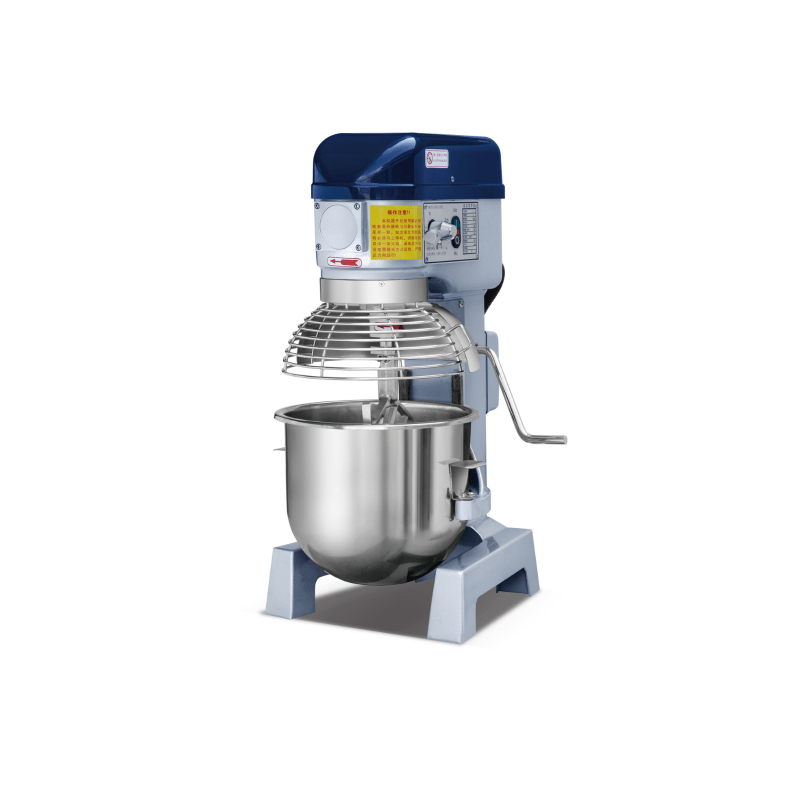
The first indication that your bakery food mixer requires attention manifests through declining mixing performance. Inconsistent dough texture, longer mixing times, and uneven ingredient distribution signal potential mechanical wear. Professional bakers notice these subtle changes before customers do, making early detection crucial for maintaining product standards. When mixing bowls fail to achieve proper gluten development or ingredients remain poorly incorporated, the underlying mixer components likely need replacement.
Temperature control issues also indicate mixer deterioration. Overheating during normal operations suggests bearing problems, motor stress, or inadequate lubrication systems. These thermal irregularities affect dough consistency and can compromise ingredient integrity, particularly with temperature-sensitive formulations. Advanced bakery food mixer systems incorporate thermal monitoring to prevent these issues before they impact production.
Maintenance Cost Analysis
Escalating repair expenses often justify mixer replacement decisions. When monthly maintenance costs exceed ten percent of the equipment's replacement value, upgrading becomes economically advantageous. Frequent component failures, extended downtime periods, and specialized parts availability challenges compound operational expenses. Smart bakery managers track these metrics alongside production output to determine optimal replacement timing.
Labor costs associated with older equipment maintenance also factor into replacement calculations. Technicians spend more time troubleshooting aging systems, reducing overall productivity. Modern bakery food mixer designs prioritize accessibility and diagnostic capabilities, minimizing maintenance-related labor requirements. These efficiency improvements translate into significant long-term cost savings for high-volume operations.
Production Capacity and Efficiency Considerations
Volume Requirements Assessment
Growing bakeries must evaluate whether existing mixing capacity meets current and projected demand. Outdated equipment often becomes the production bottleneck, limiting growth potential and customer satisfaction. Modern high-capacity systems process larger batches more efficiently, reducing per-unit production costs. Strategic timing of equipment upgrades aligns with business expansion plans and market opportunities.
Batch consistency becomes increasingly important as production volumes increase. Legacy mixing systems may struggle to maintain uniform results across multiple production runs, affecting product quality and customer expectations. Contemporary bakery food mixer technology incorporates precise control systems ensuring consistent results regardless of batch size or operator experience.
Energy Efficiency Improvements
Utility costs represent a significant portion of bakery operating expenses, making energy efficiency a crucial upgrade consideration. Older mixing systems typically consume 30-40% more electricity than modern equivalents, creating substantial ongoing costs. Advanced motor technology, variable speed controls, and optimized mechanical designs reduce energy consumption while improving performance. These efficiency gains compound over time, often justifying replacement costs through reduced utility expenses.
Environmental regulations increasingly favor energy-efficient commercial equipment. Government incentives and utility rebates often offset portions of upgrade costs, making replacement more financially attractive. Forward-thinking bakeries invest in sustainable equipment to comply with environmental standards while reducing operational costs. Modern bakery food mixer systems achieve superior performance while maintaining smaller carbon footprints.
Technology Advancements and Automation Integration
Digital Control Systems
Contemporary mixing equipment integrates sophisticated digital controls enabling precise recipe management and consistent results. Programmable mixing cycles, automatic ingredient addition sequences, and real-time monitoring capabilities transform traditional baking operations. These technological advances reduce human error, improve product consistency, and enable complex recipe execution. Bakeries leveraging digital controls achieve greater flexibility in product offerings and operational efficiency.
Data collection and analysis capabilities built into modern systems provide valuable production insights. Operators can track mixing times, ingredient ratios, and environmental conditions to optimize recipes and identify improvement opportunities. This analytical approach to baking enables continuous quality enhancement and cost reduction. Legacy equipment lacks these sophisticated monitoring and control features, limiting optimization potential.
Integration with Supporting Equipment
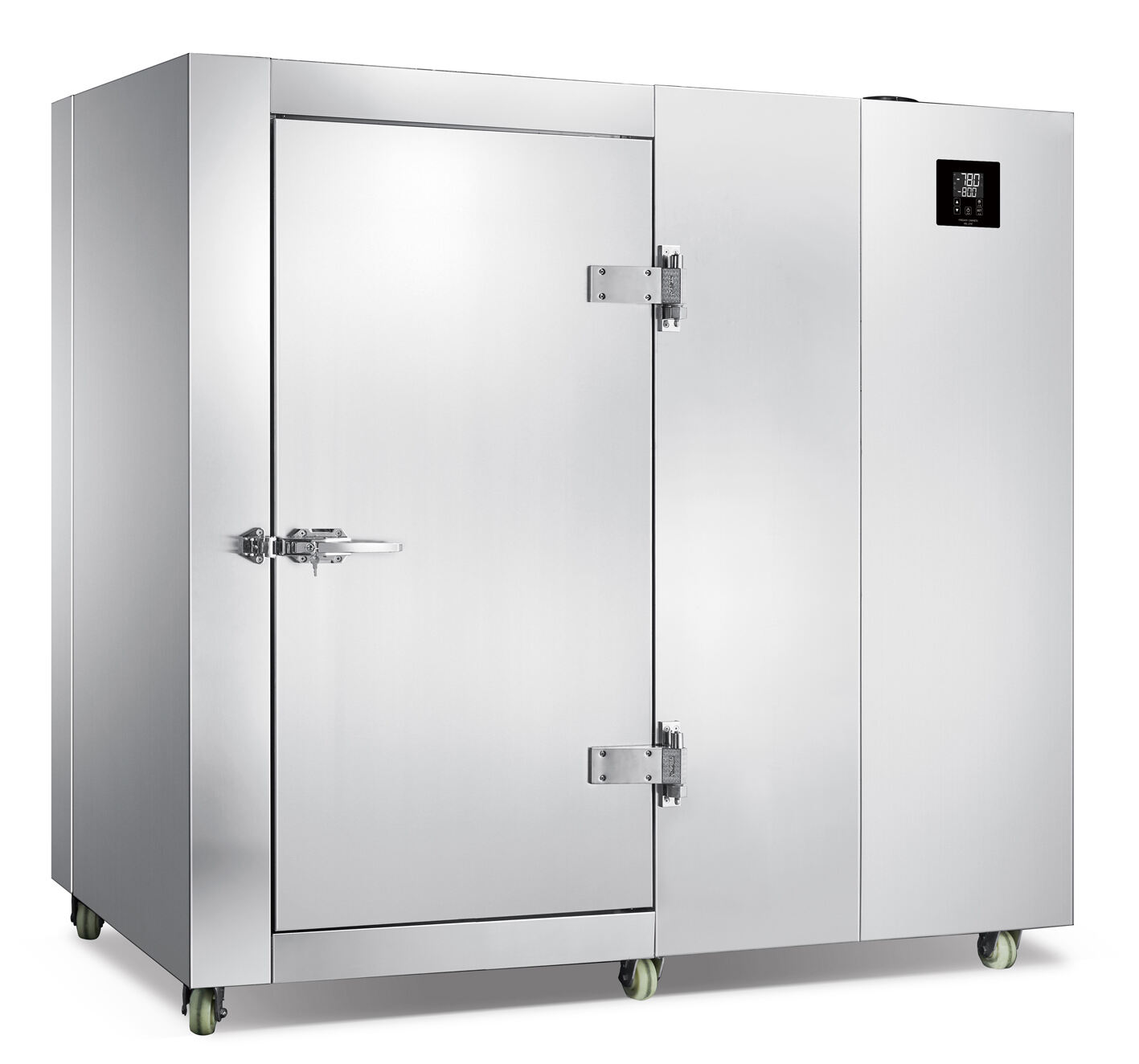
Modern bakeries benefit from integrated equipment ecosystems where mixers coordinate with blast freezer units, refrigerated cabinet systems, and display cases like cake showcase and ice cream showcase units. This integration optimizes workflow efficiency and product quality throughout the entire production process. Older mixing systems often operate independently, creating workflow inefficiencies and coordination challenges.
Automated ingredient handling systems work seamlessly with contemporary bakery food mixer designs, reducing labor requirements and improving accuracy. These integrated approaches minimize contamination risks, reduce waste, and accelerate production cycles. Bakeries planning comprehensive equipment upgrades should consider how mixing systems integrate with bakery deck oven installations and refrigeration equipment to maximize operational benefits.
Financial Planning and Return on Investment
Cost-Benefit Analysis Framework
Successful equipment replacement decisions require comprehensive financial analysis comparing current operational costs against projected improvements. Key factors include energy savings, maintenance reductions, productivity increases, and product quality improvements. Professional bakeries typically achieve return on investment within 18-24 months when upgrading from significantly outdated equipment. This timeframe varies based on usage intensity, energy costs, and specific operational requirements.
Financing options and depreciation schedules influence replacement timing decisions. Equipment leasing programs often provide immediate access to advanced technology while preserving working capital for other investments. Tax advantages associated with equipment depreciation can offset upgrade costs, making replacement more financially attractive during specific periods. Consulting with financial advisors helps optimize timing and financing approaches for equipment investments.
Long-term Strategic Planning
Equipment replacement aligns with broader business development strategies and market positioning goals. Bakeries targeting premium markets require consistent, high-quality products achievable through advanced mixing technology. Conversely, high-volume operations prioritize efficiency and throughput capabilities. Understanding these strategic priorities guides appropriate equipment selection and timing decisions.
Market trends and consumer preferences influence equipment investment strategies. Growing demand for artisanal products, dietary-specific offerings, and consistent quality drives technology adoption. Bakeries anticipating these trends benefit from early equipment upgrades enabling rapid market response. Strategic equipment planning positions businesses for sustainable growth and competitive advantage in evolving markets.
Implementation Timeline and Transition Management
Operational Continuity Planning
Equipment replacement requires careful planning to minimize production disruptions and maintain customer commitments. Successful transitions involve coordinating delivery schedules, installation timelines, and staff training programs. Many bakeries schedule upgrades during slower periods or implement phased replacement strategies to maintain operational continuity. Backup equipment or temporary rental units may be necessary during transition periods.
Staff training becomes crucial when introducing advanced bakery food mixer technology. New control systems, safety protocols, and maintenance procedures require comprehensive education programs. Investing in proper training ensures optimal equipment utilization and prevents operator-related issues. Equipment manufacturers often provide training support as part of installation packages, facilitating smooth transitions to new technology.
Quality Assurance During Transition
Maintaining product consistency during equipment transitions challenges even experienced bakeries. Recipe adjustments may be necessary to accommodate different mixing characteristics or timing requirements. Comprehensive testing and calibration ensure new equipment produces identical results to previous systems. This process often reveals opportunities for recipe optimization and quality improvements previously impossible with older equipment.
Documentation and standardization become essential during equipment transitions. Recording optimal settings, procedures, and maintenance schedules creates institutional knowledge independent of individual operators. This systematic approach ensures consistent results and facilitates future equipment decisions. Proper documentation also supports warranty claims and troubleshooting efforts when issues arise.
FAQ
How often should commercial bakeries replace their mixing equipment
Commercial bakery food mixer systems typically require replacement every 8-12 years depending on usage intensity and maintenance quality. High-volume operations may need earlier replacement due to increased wear, while smaller bakeries with proper maintenance can extend equipment life. Key indicators include declining performance, increasing repair costs, and energy efficiency considerations rather than strict age-based criteria.
What financing options are available for bakery equipment upgrades
Bakeries can access equipment financing through manufacturer programs, traditional bank loans, equipment leasing arrangements, and government-backed small business loans. Many suppliers offer flexible payment terms and seasonal payment schedules aligned with bakery cash flow patterns. Leasing options often include maintenance packages and upgrade provisions, providing predictable costs and access to latest technology.
How do modern mixers improve energy efficiency compared to older models
Contemporary bakery food mixer designs incorporate variable frequency drives, high-efficiency motors, and optimized mechanical systems reducing energy consumption by 25-40% compared to equipment over ten years old. Advanced control systems prevent unnecessary operation and optimize mixing cycles for specific recipes. These improvements typically result in monthly utility savings of several hundred dollars for busy commercial operations.
What safety improvements do newer mixing systems offer
Modern mixing equipment includes enhanced safety features such as improved bowl guards, emergency stop systems, lockout/tagout compatibility, and reduced noise levels. Automated ingredient addition reduces operator exposure to moving parts, while digital controls minimize manual interventions during operation. These safety improvements reduce insurance costs and create better working environments for bakery staff.