
 EN
EN
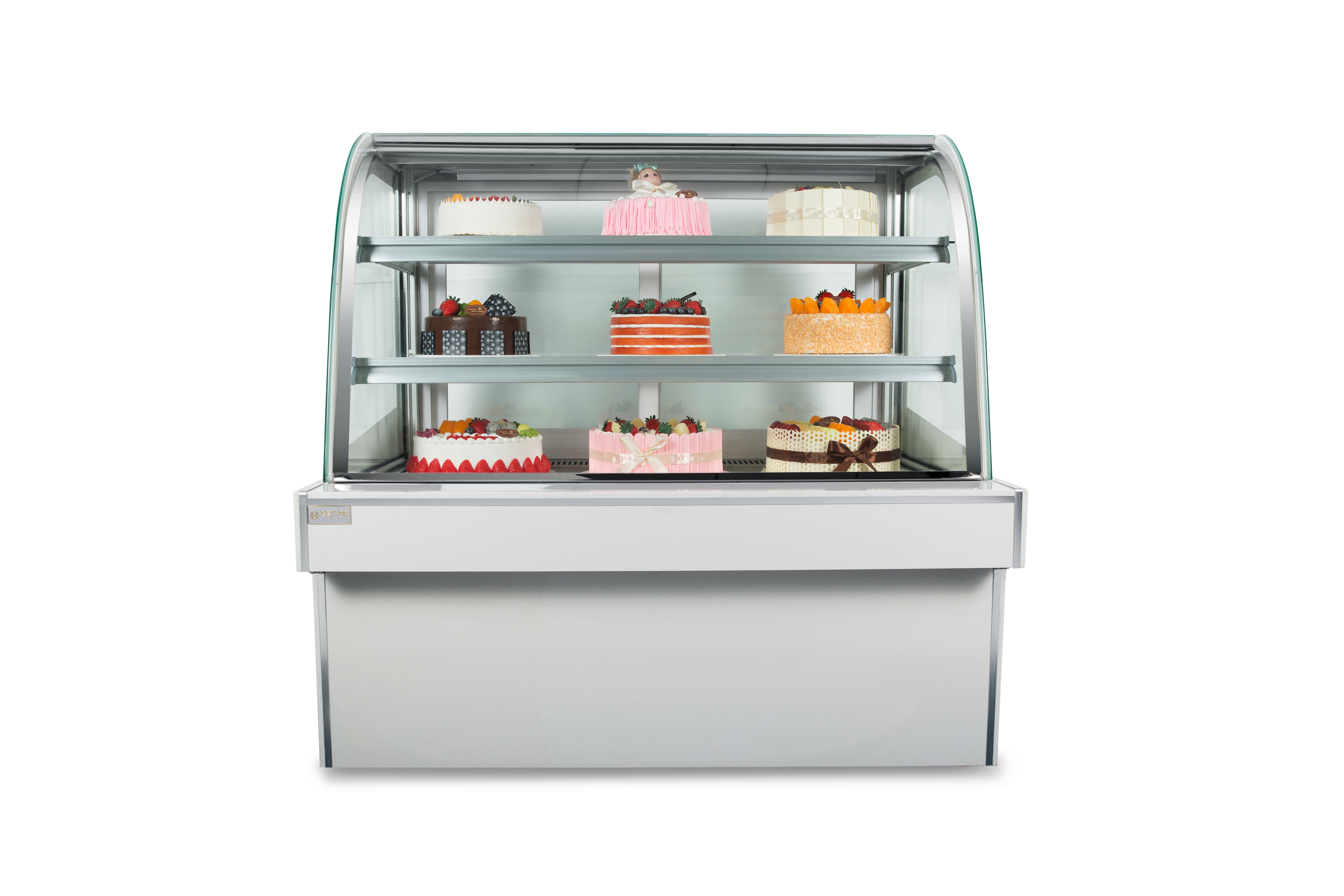
A cake showcase serves as the centerpiece of any bakery, patisserie, or dessert shop, combining functionality with visual appeal to create an irresistible display that draws customers in while preserving the quality of delicate confections. These specialized refrigeration units are engineered to maintain optimal temperature and humidity levels, ensuring that cakes, pastries, and other baked goods retain their freshness, texture, and visual appeal throughout the day. The strategic design of a modern cake showcase not only protects your valuable inventory from spoilage but also transforms your products into an enticing visual feast that can significantly boost sales and customer satisfaction.
Temperature Control Technology in Modern Cake Display Units
Precise Cooling Systems for Optimal Preservation
The heart of any effective cake showcase lies in its sophisticated temperature control system, which maintains a consistent environment between 32°F and 40°F (0°C to 4°C). This temperature range is critical for preventing bacterial growth while preserving the structural integrity of buttercream, fondant, and delicate cake layers. Advanced compressor technology ensures minimal temperature fluctuations, which could otherwise cause condensation buildup or compromise the cake showcase performance during peak operating hours.
Multi-zone cooling capabilities allow different sections of the cake showcase to maintain varying temperature levels, accommodating diverse product requirements. Chocolate-based desserts may require cooler temperatures, while fruit-topped cakes benefit from slightly warmer conditions to prevent texture degradation. This flexibility enables bakery operators to maximize their display capacity while ensuring each product maintains its intended quality and appearance.
Digital Temperature Monitoring and Alert Systems
Contemporary cake showcase models incorporate digital temperature displays and monitoring systems that provide real-time feedback on internal conditions. These systems typically feature programmable alarms that alert staff to temperature deviations, power failures, or maintenance requirements before product quality is compromised. Remote monitoring capabilities enable managers to track multiple cake showcase units from a central location, streamlining operations in larger establishments.
Data logging functionality records temperature patterns over extended periods, providing valuable insights for optimizing energy efficiency and identifying potential equipment issues before they impact product quality. This proactive approach to temperature management helps reduce waste, maintain consistent product quality, and ensure compliance with health department regulations.
Humidity Management and Air Circulation Features
Controlled Humidity Levels for Product Integrity
Proper humidity control is essential for maintaining the texture and appearance of displayed cakes, as excessive moisture can cause frosting to weep or decorations to deteriorate. A well-designed cake showcase maintains relative humidity levels between 75% and 85%, preventing products from drying out while avoiding the moisture-related issues that can compromise visual appeal and taste quality.
Integrated dehumidification systems work continuously to remove excess moisture from the air, particularly important in humid climates or during busy periods when frequent door openings introduce external air. Advanced models feature automatic humidity adjustment based on ambient conditions, ensuring consistent internal environments regardless of external weather patterns or seasonal variations.
Strategic Air Distribution and Circulation Patterns
Effective air circulation within a cake showcase prevents hot spots and cold zones that could unevenly affect product quality across different display areas. Fan systems are strategically positioned to create gentle air movement that maintains consistent temperatures without creating drafts strong enough to damage delicate decorations or cause surface drying.
The circulation system also helps prevent odor transfer between different products, ensuring that strongly flavored items like chocolate or citrus cakes don't affect the taste or aroma of neighboring desserts. This is particularly important in cake showcase units displaying diverse product lines throughout the day.
Lighting Solutions for Maximum Visual Appeal
LED Lighting Technology for Product Enhancement
Modern cake showcase units utilize energy-efficient LED lighting systems that enhance the visual appeal of displayed products without generating excessive heat that could compromise temperature control. These lighting solutions are specifically designed to render cake colors accurately, making frosting appear more vibrant and decorations more appealing to potential customers.
Adjustable lighting intensity allows operators to customize the presentation based on the time of day, ambient store lighting, or specific product requirements. Color temperature options ranging from warm white to cool white enable fine-tuning of the display atmosphere to complement the overall store design and enhance the perceived freshness of displayed items.
Heat-Free Illumination and Energy Efficiency
Traditional fluorescent lighting generates significant heat, which can interfere with the cooling system's efficiency and potentially affect product quality in sensitive areas of the cake showcase. LED technology eliminates this concern while providing superior color rendering and extended operational life, reducing maintenance requirements and energy consumption.
Smart lighting controls can automatically adjust brightness levels based on ambient conditions or programmed schedules, optimizing energy usage while maintaining optimal product visibility. This automation reduces operational complexity while ensuring consistent presentation quality throughout business hours.
Glass and Insulation Technologies
Advanced Glass Construction for Thermal Efficiency
The glass components of a cake showcase play a crucial role in maintaining internal temperature stability while providing clear visibility of displayed products. Multi-pane glass construction with low-emissivity coatings minimizes heat transfer between the internal and external environments, reducing energy consumption and preventing condensation formation that could obstruct product visibility.
Tempered safety glass construction ensures durability while meeting commercial food service safety requirements. Anti-fog treatments and specialized coatings prevent moisture buildup that could compromise the visual appeal of the cake showcase display, maintaining crystal-clear visibility even during high-humidity conditions or frequent door openings.
Insulation Materials and Construction Methods
High-density foam insulation throughout the cake showcase cabinet walls and door frames creates an effective thermal barrier that minimizes energy loss and maintains consistent internal temperatures. Strategic insulation placement prevents thermal bridging, which could create cold spots or areas of condensation that might affect product quality or cabinet efficiency.
Gasket systems around doors and access panels provide airtight seals that prevent temperature loss during normal operation. These seals are designed to maintain their effectiveness through thousands of opening and closing cycles while remaining easy to clean and sanitize according to food safety protocols.
Design Features That Enhance Product Presentation
Adjustable Shelving and Display Configurations
Flexible shelving systems within a cake showcase allow operators to accommodate products of varying heights and sizes while maximizing display capacity. Adjustable shelf positions enable customization based on seasonal product lines, special promotions, or changing inventory requirements without requiring permanent modifications to the unit.
Slanted shelf designs improve product visibility and customer accessibility while creating an attractive cascading display effect. These angles also promote better air circulation around displayed items, contributing to more consistent temperature distribution throughout the cake showcase interior.
Customer Accessibility and Service Efficiency
Sliding door systems or hinged access panels allow staff to quickly and easily retrieve products without significantly compromising the internal environment. Well-designed access features minimize the time doors remain open, reducing temperature fluctuations and energy consumption while maintaining operational efficiency during busy periods.
Customer-facing design elements such as curved glass fronts and strategic lighting placement create an inviting presentation that encourages closer examination of displayed products. These design features work together to create an emotional connection between customers and the cake showcase contents, driving impulse purchases and increasing average transaction values.
Maintenance and Operational Considerations
Regular Cleaning and Sanitization Protocols
Proper maintenance of a cake showcase requires regular cleaning schedules that address both visible surfaces and internal components. Food-grade cleaning solutions and sanitizers ensure compliance with health regulations while preserving the appearance and functionality of glass, metal, and plastic components throughout the unit.
Removable shelving and drawer systems facilitate thorough cleaning and sanitization, allowing staff to maintain hygiene standards without disrupting the overall operation of the cake showcase. Easy-to-clean surfaces and rounded corners eliminate areas where bacteria or debris could accumulate, supporting food safety protocols.
Preventive Maintenance and Component Longevity
Regular maintenance schedules for refrigeration components, including coil cleaning, refrigerant level checks, and fan motor servicing, ensure optimal performance and extend the operational life of the cake showcase. Proper maintenance also helps maintain energy efficiency, reducing operating costs while ensuring consistent product quality.
Component accessibility during routine maintenance procedures minimizes downtime and service costs. Well-designed cake showcase units feature easily accessible service panels and diagnostic systems that enable quick identification and resolution of potential issues before they impact operations.
Energy Efficiency and Environmental Impact
Sustainable Refrigeration Technologies
Modern cake showcase units incorporate eco-friendly refrigerants and energy-efficient compressor systems that reduce environmental impact while maintaining superior cooling performance. These technologies help businesses meet sustainability goals while reducing operational costs through lower energy consumption and reduced maintenance requirements.
Variable speed compressor systems automatically adjust cooling capacity based on actual demand, reducing energy waste during low-traffic periods while maintaining optimal conditions during peak hours. This intelligent operation helps minimize the carbon footprint of the cake showcase while ensuring consistent product quality.
Operational Cost Management
Energy-efficient operation of a cake showcase translates directly into reduced utility costs, making these units more economical to operate over their service life. Advanced insulation, efficient lighting systems, and smart controls work together to minimize energy consumption without compromising product quality or presentation appeal.
Predictive maintenance features and diagnostic systems help identify efficiency issues before they result in increased energy consumption or equipment failure. This proactive approach to cake showcase management helps maintain optimal performance while controlling operational expenses.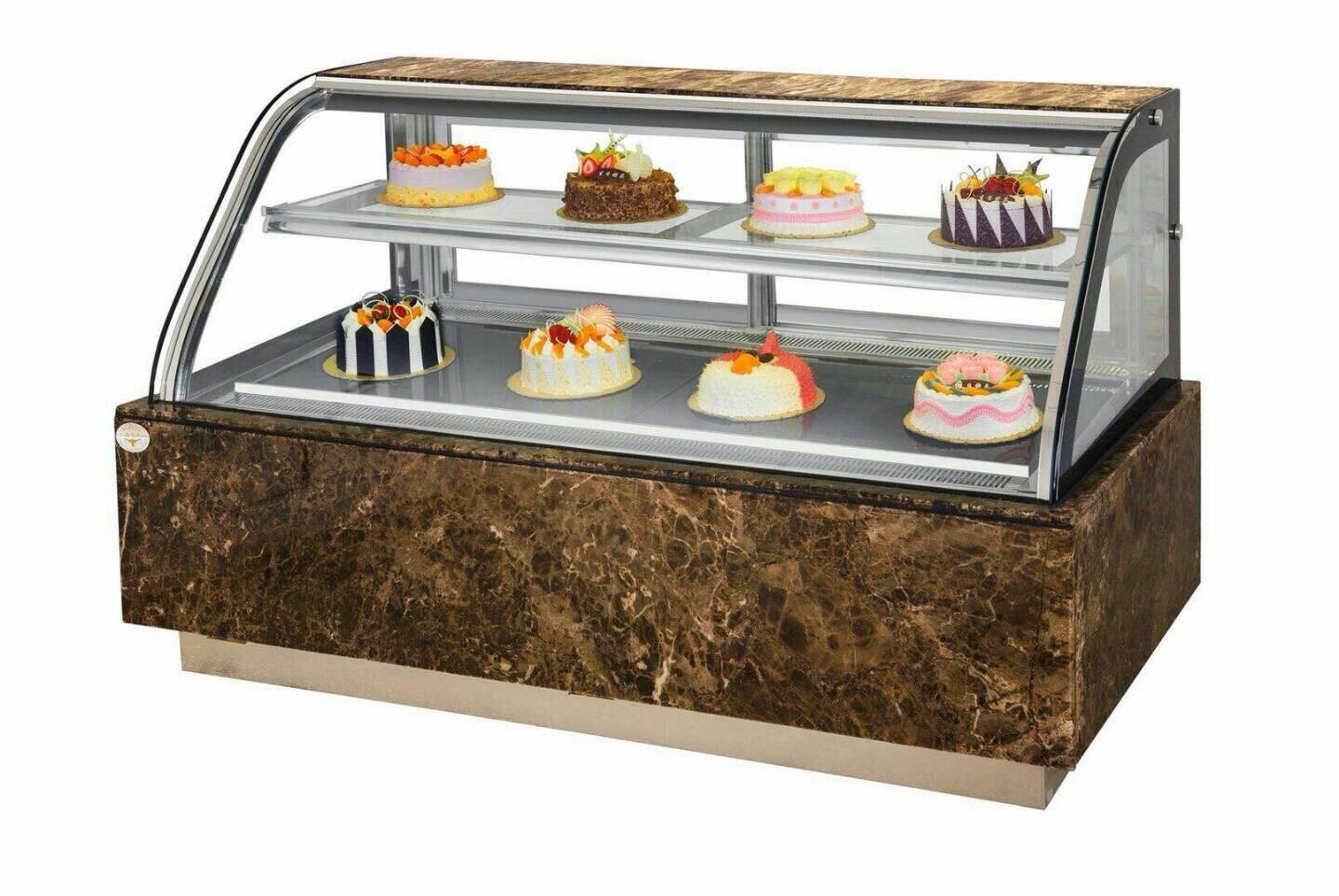
FAQ
What temperature should a cake showcase maintain for different types of cakes
A cake showcase should typically maintain temperatures between 35°F and 40°F (2°C to 4°C) for most cake varieties. Chocolate cakes and those with dairy-based frostings perform best at the cooler end of this range, while fruit-topped or fondant-covered cakes may benefit from slightly warmer temperatures around 38°F to 40°F. The key is maintaining consistent temperature without fluctuations that could cause condensation or compromise texture.
How often should the glass and interior of a cake showcase be cleaned
The interior surfaces and shelving of a cake showcase should be cleaned and sanitized daily, while the exterior glass should be cleaned multiple times per day to maintain optimal product visibility. Deep cleaning procedures, including coil cleaning and comprehensive sanitization, should be performed weekly or according to manufacturer recommendations and local health department requirements.
Can a cake showcase accommodate both refrigerated and room temperature items
While a cake showcase is designed primarily for refrigerated storage, some units feature zones that can be operated at different temperatures. However, mixing refrigerated and room temperature items in the same compartment is not recommended, as this can compromise food safety and product quality. Separate display solutions should be used for items with different temperature requirements.
What factors affect the energy efficiency of a cake showcase
Energy efficiency in a cake showcase is influenced by several factors including insulation quality, door sealing effectiveness, ambient room temperature, frequency of door openings, and proper maintenance of refrigeration components. Regular coil cleaning, appropriate product loading, and minimizing door opening time all contribute to optimal energy performance and reduced operating costs.
Table of Contents
- Temperature Control Technology in Modern Cake Display Units
- Humidity Management and Air Circulation Features
- Lighting Solutions for Maximum Visual Appeal
- Glass and Insulation Technologies
- Design Features That Enhance Product Presentation
- Maintenance and Operational Considerations
- Energy Efficiency and Environmental Impact
- FAQ