
 EN
EN
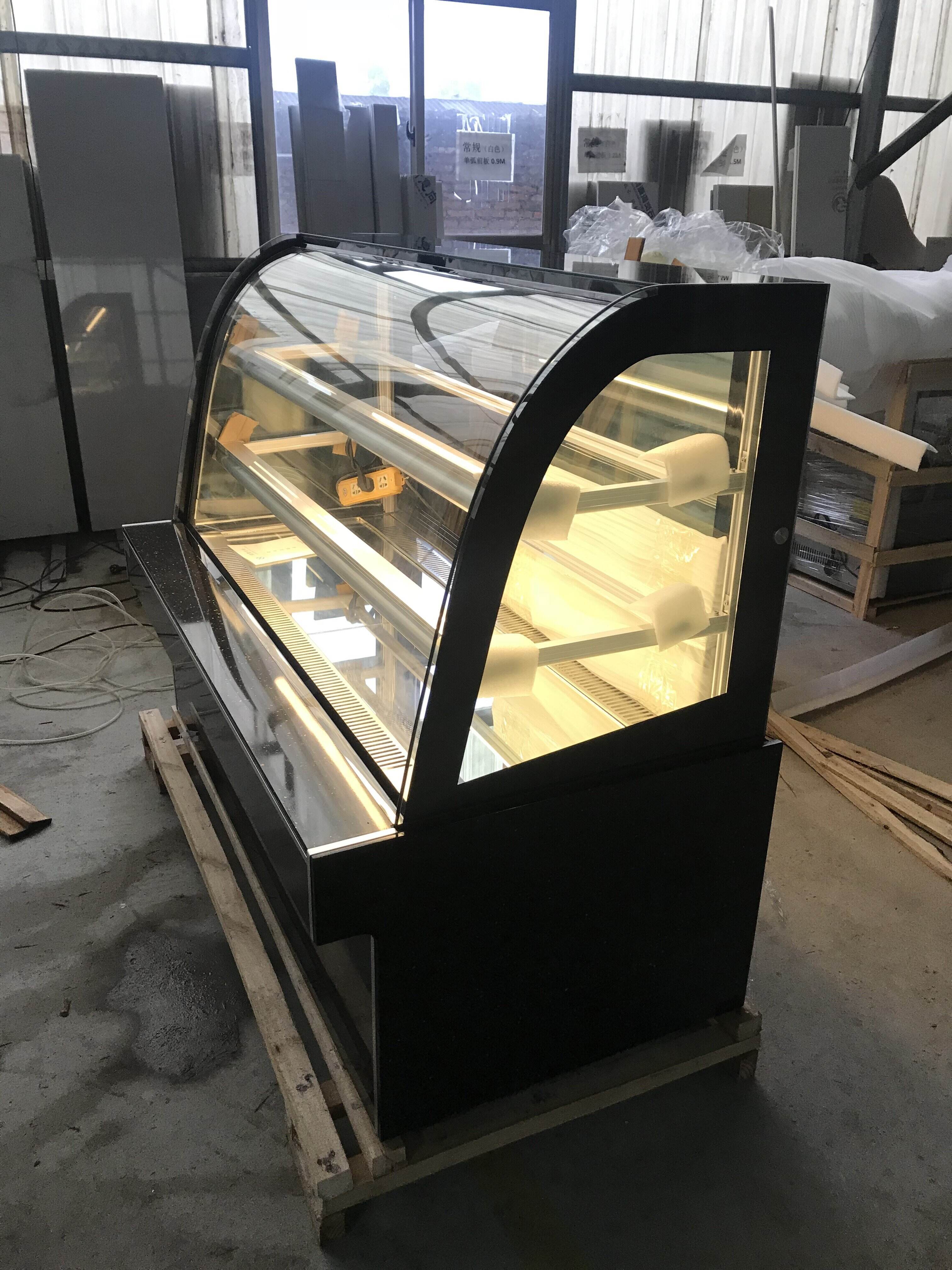
Modern bakeries face intense competition in today's marketplace, making it essential to create visually appealing displays that attract customers and drive sales. A professional cake showcase serves as the centerpiece of any successful bakery, combining functionality with aesthetic appeal to present baked goods in their best light. The right display solution not only preserves product quality but also enhances the overall shopping experience, encouraging customers to make impulse purchases and return for future visits.
Investing in a high-quality cake showcase transforms your bakery's presentation while protecting valuable inventory from environmental factors. These specialized display units maintain optimal temperature and humidity levels, ensuring that delicate pastries, elaborate wedding cakes, and artisanal desserts remain fresh and visually stunning throughout the day. Beyond preservation, these displays create an organized, professional appearance that builds customer confidence in your products and brand quality.
Essential Features of Modern Cake Display Solutions
Temperature Control Technology
Advanced refrigeration systems form the backbone of any effective cake showcase, maintaining consistent temperatures between 35-38°F to preserve product integrity. Digital temperature controls allow precise adjustments based on seasonal variations and specific product requirements, while automatic defrosting cycles prevent ice buildup that could compromise visibility. Multi-zone cooling options enable bakeries to display different product categories within the same unit, accommodating items with varying temperature needs.
Energy-efficient compressors reduce operational costs while maintaining reliable cooling performance throughout extended operating hours. Variable speed fans ensure even air distribution, eliminating hot spots that could cause uneven cooling or product deterioration. Modern systems also incorporate eco-friendly refrigerants that comply with environmental regulations while delivering superior cooling capacity.
Visual Enhancement Elements
LED lighting systems have revolutionized cake showcase design, providing bright, even illumination that highlights product colors and textures without generating excessive heat. Adjustable lighting angles allow customization based on specific display arrangements, while color temperature options enable bakeries to create warm, inviting atmospheres or cool, professional environments. Energy-efficient LED arrays significantly reduce electricity consumption compared to traditional fluorescent alternatives.
Anti-fog glass treatments ensure crystal-clear visibility even during high-humidity conditions, maintaining an unobstructed view of displayed products. Curved glass fronts create elegant presentations while maximizing viewing angles from multiple customer positions. Some premium models feature heated glass panels that prevent condensation buildup, ensuring consistent clarity throughout operating hours.
Strategic Placement and Layout Considerations
Customer Traffic Flow Optimization
Positioning your cake showcase in high-traffic areas maximizes product visibility and encourages spontaneous purchases from browsing customers. Strategic placement near the entrance creates immediate visual impact, while locations adjacent to ordering counters capitalize on extended customer dwell time during transactions. Consider sight lines from seating areas in cafes, as customers often make dessert decisions while enjoying their meals.
Corner installations can create dramatic focal points while maximizing floor space efficiency, particularly in smaller bakery layouts. Island configurations allow 360-degree viewing access, making them ideal for central locations in larger retail spaces. Ensure adequate clearance around displays for comfortable customer movement and staff access during restocking procedures.
Integration with Existing Equipment
Modern cake showcase units must seamlessly integrate with existing bakery infrastructure, including electrical systems, ventilation requirements, and spatial constraints. Modular designs allow customization to fit specific floor plans while maintaining consistent aesthetic appeal across multiple display units. Consider connectivity options for point-of-sale systems that can track inventory levels and sales data directly from display units.
Ventilation requirements vary based on refrigeration capacity and ambient conditions, requiring careful coordination with HVAC systems to maintain optimal performance. Drainage connections may be necessary for automatic defrosting systems, while dedicated electrical circuits ensure reliable operation without interference from other equipment. Professional installation ensures compliance with local health department regulations and manufacturer warranty requirements.
Product Organization and Merchandising Strategies
Tiered Display Arrangements
Multi-level shelving systems maximize product capacity while creating visually appealing arrangements that guide customer attention toward premium items. Adjustable shelving allows flexibility to accommodate products of varying heights, from delicate petit fours to towering celebration cakes. Angled display platforms improve visibility for items placed on lower shelves, ensuring equal exposure for all products.
Rotating platforms add dynamic elements to static displays, slowly showcasing featured items from multiple angles to capture customer attention. Removable shelf inserts facilitate easy cleaning and sanitization, maintaining health code compliance while extending equipment lifespan. Consider incorporating specialized holders for cake stands and serving platters that enhance product presentation.
Product Rotation and Freshness Management
Effective cake showcase management requires systematic product rotation protocols that ensure customers always see the freshest available items. First-in-first-out inventory systems prevent waste while maintaining consistent quality standards that build customer trust and loyalty. Digital tracking systems can monitor product placement times and alert staff when rotation is needed.
Clear labeling systems help staff implement rotation schedules while providing customers with production dates and ingredient information. Price tags and product descriptions should be easily readable and professionally presented to enhance the overall display quality. Regular cleaning schedules maintain pristine appearance while preventing contamination that could compromise product safety.
Maintenance and Operational Efficiency
Daily Cleaning Protocols
Establishing comprehensive cleaning routines ensures your cake showcase maintains optimal appearance and hygiene standards required by health regulations. Daily surface cleaning with approved sanitizing solutions prevents bacterial buildup while preserving the clarity of glass surfaces. Removable components should be washed separately using commercial dishwashing systems when available.
Interior surfaces require special attention to prevent odor absorption and cross-contamination between different product types. Stainless steel components resist corrosion while providing easy-to-clean surfaces that maintain professional appearance over time. Regular deep cleaning schedules should include coil cleaning and drainage system maintenance to ensure optimal refrigeration efficiency.
Preventive Maintenance Scheduling
Professional service contracts ensure reliable operation while protecting warranty coverage and extending equipment lifespan through regular inspections and tune-ups. Scheduled maintenance prevents costly emergency repairs that could disrupt business operations during peak sales periods. Filter replacements, refrigerant level checks, and electrical system inspections should follow manufacturer recommendations.
Staff training on basic maintenance procedures enables early identification of potential issues before they become major problems. Simple tasks like monitoring temperature logs, checking door seals, and cleaning condenser coils can be performed by bakery personnel with proper instruction. Maintaining detailed service records helps identify patterns and optimize maintenance schedules for maximum efficiency.
Cost Considerations and Return on Investment
Initial Investment Analysis
Cake showcase pricing varies significantly based on size, features, and build quality, with entry-level units starting around $2,000 and premium commercial models exceeding $15,000. Factor in installation costs, electrical modifications, and any necessary structural changes when budgeting for new display equipment. Financing options may be available through equipment suppliers or commercial lenders specializing in restaurant equipment.
Consider long-term operational costs including energy consumption, maintenance expenses, and potential repair costs when evaluating different models. Energy-efficient units may command higher initial prices but deliver substantial savings over their operational lifespan. Warranty coverage and service availability should influence purchasing decisions, particularly for bakeries in remote locations.
Sales Impact and Revenue Generation
Professional display equipment typically increases impulse purchases by 15-25% compared to basic display methods, providing measurable return on investment within the first year of operation. Enhanced product visibility encourages customers to purchase additional items, increasing average transaction values and overall profitability. Premium displays also support higher pricing strategies by enhancing perceived product value.
Customer retention improves when products maintain consistent quality and appearance through proper refrigerated storage and attractive presentation. Word-of-mouth recommendations often increase when customers perceive professional quality in both products and presentation. Track sales data before and after installation to measure specific impact on business performance and justify future equipment investments.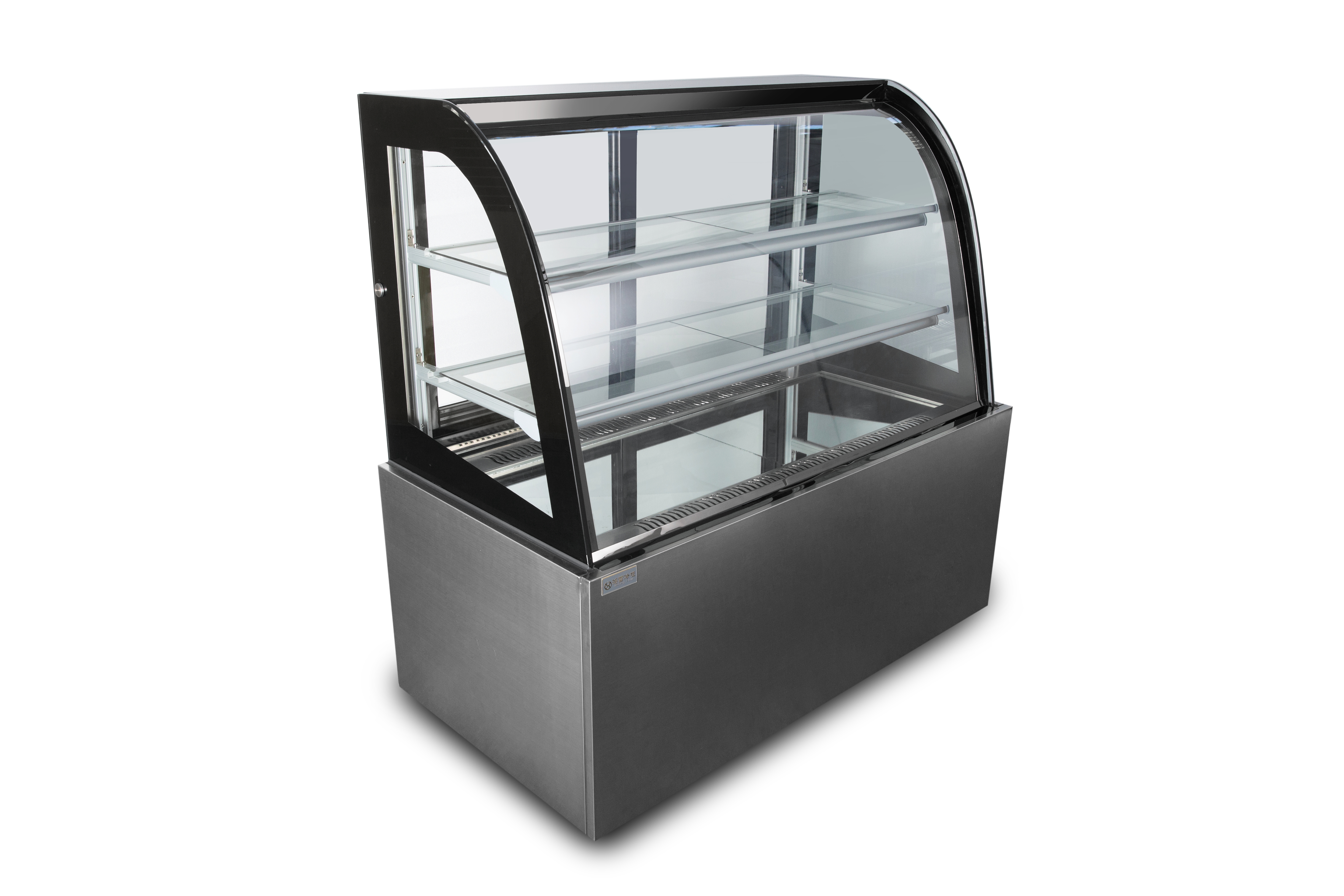
FAQ
What size cake showcase is appropriate for a small bakery
Small bakeries typically benefit from units measuring 4-6 feet in length with 2-3 display levels, providing adequate capacity for daily production while fitting comfortably in limited floor space. Consider your daily cake production volume and peak inventory levels when selecting appropriate size. Compact corner units or curved glass displays can maximize capacity while minimizing floor space requirements.
How often should the cake showcase be cleaned and maintained
Daily cleaning of surfaces and weekly deep cleaning of interior components ensures optimal hygiene and appearance standards. Professional maintenance should occur quarterly or as recommended by the manufacturer to maintain warranty coverage and prevent costly repairs. Regular filter changes and coil cleaning improve energy efficiency while extending equipment lifespan.
Can a cake showcase display non-refrigerated items safely
Most cake showcase units can accommodate both refrigerated and ambient temperature products through adjustable temperature controls or multi-zone cooling systems. Non-perishable items like decorative cake toppers, packaged cookies, or display samples can be safely stored alongside refrigerated products. Ensure proper air circulation and avoid blocking cooling vents when mixing product types.
What electrical requirements are needed for installation
Standard cake showcase units typically require 115V or 220V electrical connections depending on size and cooling capacity. Dedicated circuits are recommended to prevent interference from other equipment and ensure reliable operation during peak demand periods. Professional electrical installation ensures compliance with local codes and manufacturer specifications while maintaining warranty coverage.