
 EN
EN
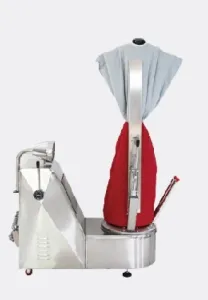
Professional laundry operations and garment shops face increasing pressure to deliver pristine results while maintaining operational efficiency. The quest for perfect shirt finishing has led many businesses to explore advanced equipment solutions that can transform their workflow and customer satisfaction levels. Modern shirt finisher technology represents a significant advancement in commercial laundry equipment, offering precision, speed, and consistency that manual pressing simply cannot match. Understanding the benefits and applications of professional shirt finishing equipment becomes crucial for businesses looking to elevate their service quality and competitive positioning in today's demanding market.
Advanced Technology Features in Modern Shirt Finishing Equipment
Precision Steam Distribution Systems
Contemporary shirt finisher units incorporate sophisticated steam distribution mechanisms that ensure uniform heat and moisture application across entire garment surfaces. These systems utilize multiple steam injection points strategically positioned throughout the finishing chamber, creating optimal conditions for wrinkle elimination and fabric smoothing. The precision-engineered steam delivery prevents over-saturation while maintaining consistent temperature gradients that protect delicate fabric fibers from damage. Advanced moisture sensors continuously monitor humidity levels, automatically adjusting steam output to achieve perfect finishing results regardless of fabric type or garment thickness.
The integration of programmable steam cycles allows operators to customize finishing parameters for different shirt materials, from lightweight cotton blends to heavy oxford weaves. This technological sophistication eliminates guesswork and ensures reproducible results that meet the highest quality standards expected by discerning customers. Professional-grade steam generators maintain optimal pressure levels throughout extended operating periods, delivering consistent performance even during peak production hours.
Automated Pressing and Shaping Mechanisms
Modern shirt finishing equipment features advanced pneumatic pressing systems that apply precise pressure patterns across collar, cuff, and body sections simultaneously. These mechanisms incorporate ergonomic design principles that accommodate various shirt sizes and styles without requiring extensive manual adjustments. The automated shaping process ensures consistent collar positioning and cuff alignment, producing professional results that rival high-end dry cleaning establishments.
Sophisticated timing controls coordinate pressing sequences to optimize cycle efficiency while preventing fabric stress or thermal damage. The equipment automatically adjusts pressing duration based on fabric density and moisture content, ensuring thorough wrinkle removal without compromising garment integrity. This level of automation significantly reduces operator fatigue while maintaining consistent quality standards throughout production runs.
Operational Efficiency and Productivity Benefits
Streamlined Workflow Integration
Professional shirt finisher equipment transforms traditional laundry workflows by eliminating bottlenecks commonly associated with manual pressing operations. The streamlined process allows operators to load garments quickly and efficiently, with automated cycles handling the complex finishing requirements without constant supervision. This workflow optimization enables businesses to process significantly larger volumes while maintaining superior quality standards that differentiate their services from competitors.
The equipment's intuitive control interfaces minimize training requirements, allowing new staff members to achieve proficiency quickly without extensive specialized knowledge. Standardized operating procedures ensure consistent results regardless of operator experience levels, reducing quality variations and customer complaints. The simplified workflow also reduces physical demands on workers, improving job satisfaction and reducing turnover rates in demanding commercial laundry environments.
Enhanced Production Capacity
Commercial-grade shirt finishing equipment dramatically increases processing capacity compared to traditional manual methods, enabling businesses to handle larger order volumes without proportional increases in labor costs. The rapid cycle times, typically ranging from 90 seconds to 3 minutes per garment, allow facilities to process hundreds of shirts daily with minimal staffing requirements. This enhanced capacity directly translates to improved revenue potential and better customer service through faster turnaround times.
The consistent processing speed eliminates seasonal bottlenecks and allows businesses to accept larger corporate contracts with confidence in their delivery capabilities. Enhanced production capacity also provides flexibility to accommodate rush orders and special requests without disrupting regular service schedules. This operational advantage becomes particularly valuable during peak business periods when customer demand exceeds traditional processing capabilities.
Quality Assurance and Customer Satisfaction
Professional Finishing Standards
Professional shirt finisher equipment delivers consistently superior results that meet or exceed customer expectations for premium garment care services. The precise temperature and pressure controls ensure wrinkle-free finishes that maintain fabric appearance and extend garment lifespan through gentle treatment processes. Professional-grade equipment produces results comparable to high-end specialty cleaners, allowing smaller operations to compete effectively in premium market segments.
The standardized finishing process eliminates human error variables that can compromise quality consistency, ensuring every garment receives identical treatment regardless of production volume or time constraints. This reliability builds customer confidence and encourages repeat business through consistent service excellence. The professional appearance achieved through advanced finishing equipment often justifies premium pricing structures that improve overall business profitability.
Fabric Care and Preservation
Advanced shirt finishing technology incorporates fabric-specific settings that optimize treatment parameters for different textile types, preventing damage while achieving superior cosmetic results. The controlled steam application and precise pressure distribution protect delicate fibers from excessive heat exposure or mechanical stress that can cause premature wear or fabric distortion. This careful approach preserves garment integrity while delivering the crisp, professional appearance customers expect from premium laundry services.
The gentle finishing process extends garment lifespan by reducing fabric fatigue and maintaining structural integrity through multiple cleaning cycles. Customers appreciate this attention to garment preservation, particularly for expensive business attire and specialty fabrics that require careful handling. The superior care provided by professional finishing equipment often becomes a key differentiating factor that attracts quality-conscious customers willing to pay premium prices for exceptional service.
Economic Impact and Return on Investment
Cost Reduction Through Automation
Investing in professional shirt finishing equipment generates substantial long-term cost savings through reduced labor requirements and improved operational efficiency. The automated processing eliminates the need for skilled pressing technicians while enabling existing staff to handle larger volumes with less physical effort. Energy-efficient designs minimize utility costs while maintaining optimal performance levels, contributing to improved profit margins and operational sustainability.
The consistent quality output reduces remake requirements and customer complaints, eliminating costs associated with service failures and reputation management. Reduced worker compensation claims from repetitive stress injuries also contribute to overall cost savings, as automated equipment minimizes the physical demands traditionally associated with manual pressing operations. These cumulative savings often justify equipment investments within relatively short payback periods.
Revenue Enhancement Opportunities
Professional finishing capabilities enable businesses to pursue higher-value market segments and premium pricing strategies that significantly enhance revenue potential. The superior quality results allow operations to target corporate clients, professional services firms, and quality-conscious consumers who prioritize appearance and are willing to pay for exceptional service. This market positioning often generates substantially higher per-garment revenues compared to basic laundry services.
The increased processing capacity and consistent quality standards enable businesses to accept larger contracts and guarantee delivery schedules that attract commercial clients seeking reliable service partners. The ability to handle specialty fabrics and delicate garments also opens additional revenue streams through expanded service offerings. These enhanced capabilities create multiple pathways for revenue growth that extend far beyond simple volume increases.
Installation and Maintenance Considerations
Facility Requirements and Setup
Professional shirt finishing equipment requires specific facility conditions to ensure optimal performance and longevity, including adequate ventilation systems to manage steam and humidity levels effectively. Proper electrical infrastructure must support the equipment's power requirements while providing stable voltage supply for consistent operation. The installation space should accommodate operator movement and garment handling while maintaining safe working conditions throughout production periods.
Strategic placement within the workflow sequence maximizes efficiency by minimizing garment transport distances and reducing handling requirements. The equipment positioning should also consider maintenance access requirements and allow for future expansion or equipment upgrades. Professional installation ensures proper utility connections and system calibration that optimize performance from the initial startup period.
Preventive Maintenance Programs
Comprehensive maintenance programs ensure consistent equipment performance and extend operational lifespan while minimizing unexpected downtime that can disrupt business operations. Regular cleaning schedules prevent mineral buildup in steam systems while maintaining optimal heat transfer efficiency. Systematic inspection of mechanical components identifies potential issues before they develop into costly failures that require extensive repairs or equipment replacement.
Professional maintenance services provide expertise in troubleshooting complex systems and accessing specialized replacement parts that ensure continued operation. The maintenance investment protects the substantial capital investment while maintaining warranty coverage that provides financial protection against unexpected failures. Properly maintained equipment consistently delivers superior performance while avoiding the productivity losses associated with equipment breakdowns during critical business periods.
FAQ
What types of shirts work best with automated finishing equipment
Professional shirt finishing equipment handles a wide variety of shirt styles and fabrics, including cotton dress shirts, cotton-polyester blends, oxford cloth, and lightweight specialty fabrics. The equipment works exceptionally well with standard business shirts, casual button-downs, and uniform shirts commonly processed in commercial laundry operations. While most shirt types achieve excellent results, heavily textured fabrics or shirts with extensive embellishments may require specialized settings or manual finishing touches to achieve optimal appearance standards.
How much space does professional shirt finishing equipment require
Typical shirt finishing equipment requires approximately 8-12 square feet of floor space, though specific dimensions vary by manufacturer and model capacity. The installation area should include additional clearance for operator movement, garment loading, and maintenance access, generally requiring 15-20 square feet total. Ceiling height requirements typically range from 8-10 feet to accommodate steam ventilation systems and ensure proper air circulation around the equipment during operation periods.
What are typical processing speeds for commercial shirt finishing equipment
Professional shirt finishing equipment typically processes garments in 90 seconds to 3 minutes per shirt, depending on fabric type, garment size, and desired finish quality. High-capacity units can achieve faster cycle times for standard cotton dress shirts, while delicate fabrics or heavily wrinkled garments may require extended processing periods. The consistent cycle times enable accurate production planning and capacity calculations for business planning and customer service commitments.
How does automated finishing compare to manual pressing in terms of quality
Automated shirt finishing equipment typically produces more consistent results than manual pressing while reducing quality variations caused by operator skill differences or fatigue. The precise temperature and pressure controls ensure uniform treatment across all garment areas, often achieving superior collar and cuff finishing compared to manual methods. While skilled manual operators can achieve excellent results, automated equipment maintains consistent quality standards throughout extended production runs and eliminates the training requirements associated with developing manual pressing expertise.