
 EN
EN

Moderne gewerbliche Küchen stehen ständig unter Druck, die Effizienz zu maximieren und gleichzeitig eine konsistente Produktqualität bei unterschiedlichen Backplänen sicherzustellen. Ein backerei-Konvektionsofen stellt die zentrale Ausrüstung für Betriebe dar, die im Laufe ihres täglichen Betriebs mehrere Produkttypen verarbeiten müssen. Für Bäckereibesitzer, Restaurantleiter und Gastronomiebetreiber, die sowohl Vielseitigkeit als auch Zuverlässigkeit von ihren Geräteinvestitionen erwarten, ist das Verständnis der Leistungsfähigkeit dieser speziellen Backöfen bei der Handhabung gemischter Backpläne entscheidend.
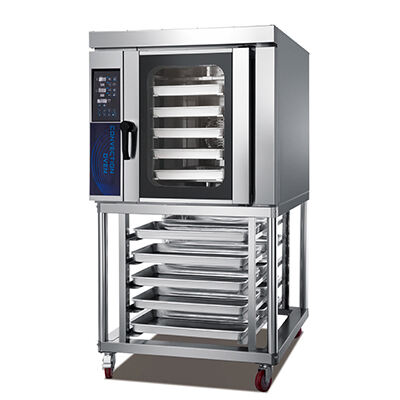
Die Komplexität der Steuerung gemischter Backpläne erfordert hochentwickelte Geräte, die schnelle Temperaturanpassungen, gleichmäßige Wärmeverteilung und präzise Zeitsteuerung ermöglichen. Professionelle Backofensysteme für Bäckereien mit Umlufttechnik verfügen über fortschrittliche Luftstrommechanismen, die es den Bedienern ermöglichen, nahtlos zwischen verschiedenen Produktkategorien zu wechseln, ohne Qualität oder Effizienz einzubüßen. Diese Fähigkeiten erweisen sich als entscheidend, wenn Betriebe handwerklich hergestelltes Brot, filigrane Gebäcke, herzhafte Brötchen und Spezialitäten innerhalb sich überschneidender Zeitfenster backen müssen.
Technische Leistungsmerkmale kommerzieller Umluftsysteme
Wärmeverteilung und Luftstrommanagement
Der grundlegende Vorteil eines Backofens mit Umluftfunktion für Bäckereien liegt in seinem hochentwickelten Luftzirkulationssystem, das erhitzte Luft im gesamten Garraum zirkulieren lässt. Diese erzwungene Luftzirkulation erzeugt gleichmäßige Temperaturzonen und beseitigt Hotspots sowie kalte Bereiche, wie sie bei herkömmlichen Backöfen häufig auftreten. Fortgeschrittene Modelle verfügen über mehrstufig regelbare Lüfter, die es den Bedienern ermöglichen, die Intensität der Luftzirkulation je nach spezifischen Anforderungen des jeweiligen Produkts anzupassen – so erhalten empfindliche Artikel eine schonende Luftzirkulation, während dichtere Produkte von einer intensiveren Wärmeübertragung profitieren.
Geräte der professionellen Klasse verfügen über mehrere Heizelemente, die strategisch so angeordnet sind, dass sie gemeinsam mit dem Zirkulationssystem arbeiten. Dieses Konzept gewährleistet eine schnelle Wiederherstellung der Betriebstemperatur nach Öffnen der Tür beim Be- und Entladen und hält dadurch selbst bei Hochleistungsproduktionen konstante Temperaturen im Garraum aufrecht. Das Ergebnis ist eine zuverlässige und vorhersagbare Backleistung, die eng gesteckte Produktionszeitpläne für unterschiedlichste Produktkategorien unterstützt.
Temperaturregelungs- und Wiederherstellungssysteme
Moderne Konvektionsbacköfen für Bäckereien verfügen über digitale Steuerungssysteme, die eine präzise Temperaturregelung innerhalb enger Toleranzbereiche ermöglichen. Diese Regler können Temperaturen mit einer Genauigkeit von ±2 Grad halten und erlauben es den Bedienern, exakt die vorgegebenen Spezifikationen für verschiedene Produktformulierungen einzuhalten. Durch schnelle Temperaturwiederherstellungsfähigkeiten kann der Ofen rasch zwischen unterschiedlichen Backanforderungen umschalten, ohne längere Wartezeiten, die den Produktionsablauf stören würden.
Die thermische Masse und die Dämmeigenschaften gewerblicher Geräte tragen erheblich zu deren Fähigkeit bei, gemischte Backpläne effektiv zu bewältigen. Hochwertige Dämmmaterialien sowie die Konstruktion der Backkammer minimieren Wärmeverluste und gewährleisten gleichzeitig eine stabile innere Umgebung. Diese thermische Effizienz führt zu einer konsistenten Leistung, selbst beim Übergang zwischen Produkten mit deutlich unterschiedlichen Backparametern.
Strategien zur Planung gemischter Produkte und Leistungsoptimierung
Gruppierung nach Produktkategorie und zeitliche Abstimmung
Erfolgreiches Backen gemischter Produkte erfordert eine strategische Planung, bei der kompatible Artikel gruppiert und die Ofennutzung während der gesamten Betriebszeiten maximiert wird. Eine gut konzipierte backerei-Konvektionsofen ermöglicht es den Bedienern, Artikel mit ähnlichen Temperaturanforderungen zusammenzufassen, wodurch Übergangszeiten und Energieverbrauch reduziert werden. Produkte mit identischen oder nahezu identischen Backtemperaturen können nacheinander geplant werden, um thermische Anpassungen zu minimieren und die Produktionseffizienz zu maximieren.
Professionelle Bediener erstellen Zeitpläne, die produktspezifische Anforderungen berücksichtigen – darunter Temperaturbereiche, Backdauer, Luftfeuchtigkeitsanforderungen und bevorzugte Luftströmungsverhältnisse. Dieser systematische Ansatz gewährleistet eine optimale Ofenleistung und gleichzeitig die Einhaltung der Qualitätsstandards über alle Produktkategorien hinweg. Ein effektiver Zeitplan berücksichtigt zudem die Lastmerkmale der Produkte: schwerere Artikel werden in der Regel während der thermischen Spitzenzeiten eingeplant, leichtere Produkte hingegen während der Phasen temperaturbedingter Übergänge.
Auslastung der Kapazität und Lastmanagement
Das Mehrfach-Rack-Design von gewerblichen Backofensystemen mit Umluft ermöglicht das gleichzeitige Backen verschiedener Produkte, wenn deren Anforderungen nahe genug beieinanderliegen. Diese Funktion erweist sich insbesondere während Spitzenproduktionszeiten als besonders wertvoll, wenn die Bediener die Durchsatzleistung maximieren müssen, ohne die Qualitätsstandards zu beeinträchtigen. Eine strategische Platzierung der Backgutladung innerhalb der Kammer kann Produkte mit leicht unterschiedlichen Anforderungen berücksichtigen, indem natürliche Temperaturgradienten genutzt werden, die selbst in gut konstruierten Umluftsystemen vorhanden sind.
Erfahrene Bediener nutzen die vorhersagbaren Luftströmungsmuster innerhalb ihres gewerblichen Backofens mit Umluft, um die Produkte gezielt entsprechend ihrer jeweiligen Wärmeempfindlichkeit zu positionieren. Artikel, die eine intensivere Bräunung erfordern, können in Bereichen mit höherer Luftgeschwindigkeit platziert werden, während empfindliche Produkte von einer Aufstellung in Zonen mit sanfterer Luftzirkulation profitieren. Dieser differenzierte Ansatz beim Ladungsmanagement maximiert die Vielseitigkeit bei der Planung von Mischchargen.
Qualitätskonsistenz über diverse Produktkategorien hinweg
Standardisierung der Backparameter
Die Aufrechterhaltung einer konsistenten Qualität bei gemischten Backplänen erfordert eine sorgfältige Dokumentation und Standardisierung der Betriebsparameter für jede Produktkategorie. Fachkundige Bediener von professionellen Backofen-Konvektionsöfen erstellen umfassende Rezeptedatenbanken, die exakte Temperaturvorgaben, Zeitvorgaben, Gebläsedrehzahlen sowie Platzierungsrichtlinien für optimale Ergebnisse festlegen. Diese standardisierten Verfahren gewährleisten reproduzierbare Ergebnisse – unabhängig von Schwankungen im Produktionsplan oder Wechseln der Bediener.
Die programmierbare Natur moderner digitaler Steuerungen ermöglicht es den Bedienern, mehrere voreingestellte Konfigurationen im Speichersystem des Ofens zu speichern. Diese Funktion ermöglicht schnelle Anpassungen der Parameter zwischen verschiedenen Produkttypen und gewährleistet dabei Genauigkeit und Konsistenz. Voreingestellte Programme eliminieren das Raten und reduzieren das Risiko menschlicher Fehler während intensiver Produktionsphasen, in denen mehrere Produkttypen nacheinander verarbeitet werden müssen.
Qualitätsüberwachungs- und Anpassungsprotokolle
Ein effektives Qualitätsmanagement beim Backen verschiedener Produkte erfordert systematische Überwachungsverfahren, die Leistungsindikatoren über verschiedene Produktkategorien hinweg verfolgen. Regelmäßige Temperaturüberprüfungen mithilfe kalibrierter Messgeräte stellen sicher, dass der Backofen mit Umluft die vorgegebenen Parameter während längerer Betriebszeiten beibehält. Visuelle Inspektionsprotokolle helfen dabei, Unstimmigkeiten bei der Bräunung, der Texturentwicklung oder strukturellen Merkmalen zu erkennen, die auf Leistungsprobleme der Anlage hindeuten könnten.
Professionelle Betriebsabläufe setzen Korrekturmaßnahmen um, die Qualitätsabweichungen schnell beheben, bevor sie mehrere Produktchargen beeinflussen. Zu diesen Verfahren gehören Anpassungsrichtlinien für Temperatur, Zeitsteuerung und Luftstromänderungen, die sich auf die beobachteten Produkteigenschaften stützen. Die Dokumentation der Anpassungen hilft dabei, Trends zu erkennen, die auf erforderliche Wartungsmaßnahmen oder betriebliche Verbesserungen hinweisen könnten, um optimale Leistungsstandards aufrechtzuerhalten.
Betriebliche Effizienz und Energiemanagement
Optimierungsstrategien für Energieverbrauch
Die Energieeffizienz eines Backofens mit Umluftfunktion wird insbesondere bei gemischten Backplänen besonders wichtig, die längere Betriebszeiten erfordern. Durch geeignete Planungstechniken lässt sich Energieverschwendung minimieren, indem Produkte mit ähnlichen Temperaturanforderungen gruppiert und unnötige Aufheizzyklen vermieden werden. Der gezielte Einsatz der Restwärme während Temperaturübergängen trägt dazu bei, den gesamten Energieverbrauch zu senken, ohne die Produktionsplanung zu beeinträchtigen.
Moderne Konvektionssysteme integrieren energiesparende Funktionen wie programmierbare Standby-Modi, effiziente Isoliersysteme und optimierte Heizelementdesigns, die den Stromverbrauch während längerer Betriebszeiten reduzieren. Diese Funktionen erweisen sich insbesondere bei gemischten Backplänen als besonders wertvoll, wenn Backöfen über längere Zeiträume kontinuierlich in Betrieb sind. Eine ordnungsgemäße Wartung der Türdichtungen, Lüftermechanismen und Heizelemente gewährleistet über die gesamte Lebensdauer der Anlage hinweg eine optimale Energieeffizienz. service das Leben.
Wartungsanforderungen und Leistungsnachhaltigkeit
Regelmäßige Wartungsprotokolle werden entscheidend, wenn ein Backofen mit Umluft für Bäckereien unter anspruchsvollen, gemischten Produktionsplänen betrieben wird, die mehrere Systemkomponenten stark beanspruchen. Tägliche Reinigungsverfahren müssen die sich ansammelnden Rückstände verschiedener Produktarten berücksichtigen, die Luftströmungsmuster und die Wärmeübertragungseffizienz beeinträchtigen können. Zu den wöchentlichen Wartungsaufgaben gehören die Schmierung des Lüftermotors, die Inspektion der Heizelemente sowie die Kalibrierung der Temperatursensoren, um eine gleichbleibende Leistung sicherzustellen.
Präventive Wartungspläne sollten die erhöhten Verschleißmuster berücksichtigen, die mit häufigen Temperaturwechseln und langen Betriebszeiten verbunden sind – typisch für Backbetriebe mit gemischten Produkten. Die Intervalle für den Austausch von Komponenten müssen möglicherweise anhand der tatsächlichen Nutzungsmuster und nicht anhand der standardmäßigen Empfehlungen des Herstellers angepasst werden. Professionelle Serviceverträge können spezialisiertes Fachwissen bereitstellen, um während anspruchsvoller Produktionspläne stets optimale Leistungsstandards zu gewährleisten.
Technologieintegration und zukünftige Leistungssteigerungen
Digitale Steuerungssysteme und Automatisierungsfunktionen
Moderne Backofensysteme für Bäckereien mit Umluftfunktion integrieren zunehmend hochentwickelte digitale Steuerungstechnologien, die ihre Fähigkeit verbessern, komplexe Produktionspläne mit gemischten Produkten zu steuern. Touchscreen-Oberflächen bieten eine intuitive Bedienung der Programmierfunktionen, während Datenaufzeichnungsfunktionen Leistungskennzahlen über verschiedene Produktkategorien hinweg verfolgen. Diese technologischen Verbesserungen ermöglichen eine präzisere Steuerung der Backparameter und liefern wertvolle Erkenntnisse zur Optimierung der Produktionsplanung.
Automatisierte Funktionen wie programmierbare Startzeiten, mehrstufige Backprofile und automatische Abschaltfunktionen tragen dazu bei, die Abläufe während komplexer Produktionspläne zu optimieren. Diese Funktionen entlasten das Bedienpersonal und gewährleisten gleichzeitig eine konsistente Durchführung der festgelegten Verfahren. Die Integration in Facility-Management-Systeme ermöglicht Fernüberwachungs- und Fernsteuerungsfunktionen, die eine effiziente Planung von Mischproduktionen über mehrere Schichten hinweg unterstützen.
Leistungsüberwachung und Datenanalyse
Fortgeschrittene Konvektionsbackofenmodelle für Bäckereien liefern detaillierte Leistungsanalysen, die den Bedienern helfen, Mischprodukt-Backpläne auf Basis realer Betriebsdaten zu optimieren. Die Erfassung des Energieverbrauchs, die Analyse von Temperaturschwankungen sowie Kennzahlen zur Produktionsdurchsatzleistung liefern Erkenntnisse für kontinuierliche Verbesserungsinitiativen. Dieser datengestützte Ansatz ermöglicht ausgefeiltere Planungsstrategien, die Effizienz und Qualitätsanforderungen ausgewogen berücksichtigen.
Funktionen der prädiktiven Wartung nutzen Leistungsdaten, um potenzielle Probleme zu identifizieren, bevor sie Produktionspläne oder Produktqualität beeinträchtigen. Frühwarnsysteme können Bediener auf sich entwickelnde Probleme hinweisen, die die Fähigkeit des Ofens beeinträchtigen könnten, anspruchsvolle Anforderungen an die gemeinsame Verarbeitung verschiedener Produkte zu erfüllen. Diese proaktiven Wartungsansätze tragen dazu bei, eine konsistente Leistung über längere Betriebszeiten hinweg sicherzustellen.
FAQ
Wie schnell kann ein Backofen mit Umlufttemperierung in einer Bäckerei zwischen verschiedenen Temperaturstufen während des gemeinsamen Backens verschiedener Produkte umschalten?
Moderne kommerzielle Backofensysteme für Bäckereien mit Umluft benötigen in der Regel 5 bis 15 Minuten, um zwischen deutlich unterschiedlichen Temperatureinstellungen zu wechseln – abhängig vom Temperaturunterschied und der Ofengröße. Hochleistungsmodelle mit effizienten Heizsystemen und einer besonders guten Isolierung ermöglichen schnellere Umschaltzeiten, während Geräte mit größerer thermischer Masse zusätzliche Zeit erfordern. Eine sorgfältige Produktionsplanung, bei der Produkte mit ähnlichen Temperaturanforderungen gruppiert werden, minimiert Umschaltverzögerungen und maximiert die Produktionseffizienz.
Welche Faktoren bestimmen die maximale Anzahl verschiedener Produkte, die gleichzeitig in einem Umluftbackofen gebacken werden können?
Die Anzahl verschiedener Produkte, die gleichzeitig gebacken werden können, hängt von der Temperaturverträglichkeit, der Übereinstimmung der Backzeiten, den Größenbeschränkungen und den Aspekten einer Kreuzkontamination ab. Produkte, die Temperaturen innerhalb eines Bereichs von 25–50 Grad zueinander erfordern und ähnliche Backdauern aufweisen, bieten die beste Verträglichkeit für das gleichzeitige Backen. Auch die Kammergröße, die Gestellkonfiguration und die Luftströmungsmuster beeinflussen die praktischen Grenzen für das Mischladen von Produkten in einem bestimmten Backzyklus.
Wie wirkt sich das gleichzeitige Backen verschiedener Produkte auf den Wartungsaufwand eines konvektionsbeheizten Backofens für Bäckereien aus?
Das Backen gemischter Produkte erhöht typischerweise den Wartungsaufwand aufgrund häufigerer Temperaturwechsel, unterschiedlicher Ablagerungen und verlängerter Betriebszeiten. Die Reinigungsverfahren müssen verschiedene Produktreste berücksichtigen, die die Leistung beeinträchtigen können, während sich die Verschleißraten der Komponenten aufgrund erhöhter thermischer Belastung beschleunigen können. Eine regelmäßige Kalibrierung der Temperaturregelung wird noch kritischer, um eine konsistente Leistung über verschiedene Produktkategorien hinweg während anspruchsvoller Produktionspläne sicherzustellen.
Welche Sicherheitsaspekte sind beim Betrieb von Heißluftbacköfen mit gemischten Produktterminplänen wichtig?
Sicherheitsaspekte beim gemeinsamen Backen verschiedener Produkte umfassen angemessene Verfahren zur Allergenkontrolle, Protokolle zur Vermeidung von Kreuzkontaminationen sowie Temperaturüberwachungssysteme, um die Einhaltung der Lebensmittelsicherheitsvorschriften sicherzustellen. Die Bediener müssen strenge Reinigungsverfahren zwischen verschiedenen Produktarten anwenden, genaue Temperaturaufzeichnungen zur Erfüllung behördlicher Anforderungen führen und klare Kennzeichnungssysteme einführen, um die Produkte während komplexer Backpläne lückenlos zu verfolgen. Die Anforderungen an persönliche Schutzausrüstung können je nach den jeweils gleichzeitig verarbeiteten Produkten variieren.
Inhaltsverzeichnis
- Technische Leistungsmerkmale kommerzieller Umluftsysteme
- Strategien zur Planung gemischter Produkte und Leistungsoptimierung
- Qualitätskonsistenz über diverse Produktkategorien hinweg
- Betriebliche Effizienz und Energiemanagement
- Technologieintegration und zukünftige Leistungssteigerungen
-
FAQ
- Wie schnell kann ein Backofen mit Umlufttemperierung in einer Bäckerei zwischen verschiedenen Temperaturstufen während des gemeinsamen Backens verschiedener Produkte umschalten?
- Welche Faktoren bestimmen die maximale Anzahl verschiedener Produkte, die gleichzeitig in einem Umluftbackofen gebacken werden können?
- Wie wirkt sich das gleichzeitige Backen verschiedener Produkte auf den Wartungsaufwand eines konvektionsbeheizten Backofens für Bäckereien aus?
- Welche Sicherheitsaspekte sind beim Betrieb von Heißluftbacköfen mit gemischten Produktterminplänen wichtig?