
 EN
EN
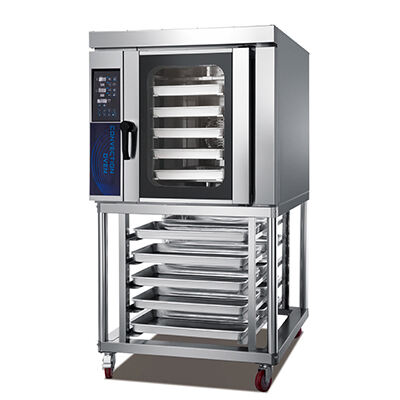
အပူခါးမှု တည်ငြိမ်မှုသည် အောင်မြင်သော စီးပွားရေးအရ ဘေကာရီလုပ်ငန်းများ၏ အခြေခံအုတ်မြစ်ဖြစ်သော်လည်း ထုတ်ကုန်အရည်အသွေးနှင့် လုပ်ငန်းဆောင်တွင် ထိရောက်မှုကို ထိခိုက်စေသည့် အပူခါးမှု ပြောင်းလဲမှုများကြောင့် ဘေကာရီအများအပြားသည် အခက်အခဲများကို ရင်ဆိုင်နေရပါသည်။ လှိုင်းပိုင်းထုတ် အိုဗင် ကျည်သီးခြင်းအတွက် သမှုန်းခြင်းအတွက် ပရော်ဖက်ရှင်နယ် ပတ်ဝန်းကျင်တစ်ခုလုံး၏ နှလုံးသားကို ကိုယ်စားပြုပါသည်။ ထိုနေရာတွင် အတိအကျသော အပူခါးမှုထိန်းချုပ်မှုသည် ပေါင်မုန့်များ အကောင်းဆုံးအတိုင်း မှန်ကန်စွာ မှုန်းတက်လာမည် သို့မဟုတ် မကျေနပ်ဖွယ်ရာ ပျက်စီးမှုများအဖြစ် ပျော့ကျသွားမည်ကို ဆုံးဖြတ်ပေးပါသည်။ စီးပွားရေးလုပ်ငန်းများတွင် အပူခါးမှု ပြောင်းလဲမှုများနှင့် ပတ်သက်သော အရေးကြီးသော ပြဿနာများကို နားလည်ခြင်းဖြင့် မုန့်ဆိုင်များ၏ ပိုင်ရှင်များနှင့် စီမံခန့်ခွဲမှုအဖွဲ့များသည် သူတို့၏ အမြတ်ငွေကို တိုက်ရိုက်သက်ရောက်မှုရှိသော စက်ပစ္စည်းရွေးချယ်မှုများနှင့် ထိန်းသိမ်းရေးလုပ်ထိုးများအကြောင်း အသိအမြင်ရှိသော ဆုံးဖြတ်ချက်များကို ချမှတ်နိုင်ပါသည်။
စီးပွားရေးလုပ်ငန်းများတွင် အပူခါးမှု ပြောင်းလဲမှုများ၏ အခြေခံများကို နားလည်ခြင်း
အပူခါးမှု ပြောင်းလဲမှုများနောက်ကွယ်ရှိ သိပ္ပံ
ဘေကာရီ ကွန်ဗက်ရှင်အိုဗင်တစ်ခုတွင် အပူခါးမှုများသည် ဖောက်စ်ထုတ်မှုအခန်းအတွင်းရှိ အပူဖြန့်ဖြူးမှုနှင့် အပူသည်းခံမှုကို အကျိုးသက်ရောက်စေသည့် အကြောင်းရင်းများစွာ၏ အပ်စ်ပ်ဆက်စပ်မှုကြောင့် ဖြစ်ပေါ်လာပါသည်။ ကွန်ဗက်ရှင်ဖန်န်စနစ်သည် လေစီးကြောင်းများကို ဖန်တီးပေးပြီး ထိုလေစီးကြောင်းများသည် မှန်ကန်စွာ ချိန်ညှိခြင်း သို့မဟုတ် ထိန်းသိမ်းမှုမရှိပါက ပူနေသည့်နေရာများနှင့် အေးနေသည့်နေရာများကို ဖန်တီးနိုင်ပါသည်။ အိုဗင်တံခါးများကို ဖွင့်ပေးပြီးနောက် အပူပြန်လည်ရယူရန် ကြာမြင်ချိန်သည် အရေးကြီးသည့်အကြောင်းရင်းတစ်ခုဖြစ်ပါသည်။ အလုပ်များသည့်အချိန်များတွင် အကြိမ်များစွာ အိုဗင်တံခါးများကို ဖွင့်ခေါ်ခြင်းကြောင့် အပူခါးမှုများ သိသိသာသာ ကျဆင်းသွားပြီး အပူပြန်လည်ရယူရန် ကြာမြင်သည့်အချိန်ကို လိုအပ်ပါသည်။
အိုဗင်းအတွင်းရှိ သံသရာအပူချိန် (thermal mass) သည် အပူချိန်တည်ငြိမ်မှုတွင် အရေးပါသော အခန်းကဏ္ဍမှ ပါဝင်ပါသည်။ အဘယ့်ကြောင့်ဆိုသော် အတွင်းပိုင်းအစိတ်အပိုင်းများသည် အပူကို မတူညီသောနှုန်းဖြင့် စုပ်ယူပြီး ထုတ်လွှတ်ကြသောကြောင့်ဖြစ်သည်။ အပူပေးသည့်အစိတ်အပိုင်းများသည် ၎င်းတို့၏ အပူပေးခြင်း-အပူပေးခြင်း ပုံစံ (cycling patterns) များကြောင့် အပူချိန်အတွင်း ကွဲလေးမှုများကို ဖြစ်ပေါ်စေပါသည်။ အထူးသဖြင့် အသက်များပြီး သို့မဟုတ် မကောင်းမွန်စွာ ထိန်းသိမ်းထားသော အသုံးပြုမှုများတွင် အပူပေးသည့်အစိတ်အပိုင်းများ၏ စွမ်းဆောင်ရည်သည် မတေးမောင်းဖြစ်နေတတ်ပါသည်။ ပရော်ဖက်ရှင်နယ် မုန့်ဖုတ်သူများသည် ဤအခြေခံများကို နားလည်ထားရန် လိုအပ်ပါသည်။ ထိုသို့မှုန်းမှုများကို သိရှိပြီး မုန့်ဖုတ်သည့် ကွန်ဗက်ရှင်အိုဗင်း (convection oven) သည် ဂရုစိုက်ရန် သို့မဟုတ် အစားထိုးရန် လိုအပ်ကြောင်း သိရှိနိုင်ရန်အတွက်ဖြစ်သည်။
မုန့်ဖုတ်ခြင်း၏ ဓာတုဗေဒနှင့် ထုတ်ကုန်အရည်အသွေးအပေါ် သက်ရောက်မှု
အပူခါးမှု မတေးမှုများသည် ကုန်ကုန်ထုတ်လုပ်မှုအတွက် အရေးကြီးသော ဓာတ်ပုံဖော်မှုများကို တိုက်ရိုက်အကျိုးသက်ရောက်စေပါသည်။ ဤဓာတ်ပုံဖော်မှုများတွင် ပရိုတိန်း ချောက်ချောက်ဖော်မှု၊ ဆဲလူလို့စ် ဂဲလေတိန်နိုင်ဇေးရှင်းနှင့် စိုထုံးပေါ်ပေါ်ချော့ချော့ဖော်မှုနှုန်းများ ပါဝင်ပါသည်။ မီးဖိုခေါင်းပေါ်တွင် အပူခါးမှု အပေါ်အောက်များ ဖြစ်ပေါ်လာပါက ဤဓာတ်ပုံဖော်မှုများသည် မှန်ကန်မှုမရှိသော နှုန်းများဖြင့် ဖြစ်ပေါ်လာပါမည်။ ထို့ကြောင့် အသားအရည်၊ အရောင်နှင့် ဖွဲ့စည်းပုံ တို့တွင် မတေးမှုများ ဖြစ်ပေါ်လာပါမည်။ ပေါင်များတွင် အချိန်မတေးမှုဖြစ်သော အခေါင်းများ သို့မဟုတ် အသားအရည် အားနည်းမှုများ ဖြစ်ပေါ်လာနိုင်ပါသည်။ အခြားတစ်ဖက်တွင် ကုန်ကုန်များတွင် အမျှမျှတ်တ်ဖော်မှု မလုံလောက်ခြင်း သို့မဟုတ် အစိတ်အပိုင်းတွင် အလွန်အမင်း အရောင်မဲမှုများ ဖြစ်ပေါ်လာနိုင်ပါသည်။
မှုန်းစားမှုအရေးကြီးသော ရောင်စုံသော အညိုရောင်နှင့် ရှုပ်ထွေးသော အရသာများကို ဖန်တီးပေးသည့် မိလာဒ် ဓာတ်ပုံဖော်မှုသည် အပူခါးမှု အပေါ်တွင် မှီခိုပါသည်။ ထိုအပူခါးမှုသည် အပူခါးမှု ပြောင်းလဲမှုများကြောင့် မှန်ကန်စွာ ထိန်းသိမ်းနိုင်ခြင်း မရှိသော အပူခါးမှု အပေါ်တွင် မှီခိုပါသည်။ ပရောဖက်ရှင်နယ် မုန့်ဖုတ်လုပုပ်များသည် ၎င်းတို့၏ အထင်ကရ ထုတ်ကုန်များအတွက် ကြိုတင်ခန့်မှန်းနိုင်သော ရလေ့အတွက် မှီခိုနေရာဖြစ်ပါသည်။ ထို့ကြောင့် အပူခါးမှု တည်ငြိမ်မှုသည် အမှတ်တံဆိပ် အရည်အသွေးနှင့် ဖောက်သည်များ၏ က удовлетворенность ကို ထိန်းသိမ်းရေးအတွက် မဖြစ်မနေ လိုအပ်သည့် အချက်ဖြစ်ပါသည်။ အပူခါးမှု ပြောင်းလဲမှုများကြောင့် အထောက်အထား ရှိပြီးသော အမှုန်အမှုန်များနှင့် လုပ်ထုံးလုပ်နည်းများတွင် မှန်ကန်စွာ ခန့်မှန်းနိုင်ခြင်း မရှိသော အရေးကြီးသော အချက်များ ထည့်သွင်းလာပါသည်။
အရေးကြီးသည့် အပူခါးမှု ဇုန်များနှင့် ၎င်းတို့၏ လုပ်ဆောင်မှုဆိုင်ရာ အရေးပါမှု
ပူပွန်းသည့် နေရာများ ဖော်ထုတ်ခြင်းနှင့် ဖြန့်ဖြူးမှု ပုံစံများ
ဘေကာရီ ကွန်ဗက်ရှင်အိုဗင်တစ်ခုအတွင်းရှိ ပူနေသောနေရာများသည် ပူပေးသည့်အစိတ်အပိုင်းများ၊ လေစီးကြောင်းဖန်းများ သို့မဟုတ် မကောင်းသော ထည့်သွင်းမှုနည်းလမ်းများ (သို့) စက်ပစ္စည်း၏ဒီဇိုင်းဆိုင်ရာ ကန့်သတ်ချက်များကြောင့် လေစီးကြောင်း ကောင်းစေရန် အခက်အခဲဖြစ်နေသည့် နေရာများတွင် အများအားဖြင့် ဖြစ်ပေါ်လေ့ရှိပါသည်။ ဤအပိုင်းများတွင် အပူခါးများသည် အလွန်မြန်စွာ ပူပေါ်လာပြီး အနီးနားရှိ အစိတ်အပိုင်းများကို ပူပေါ်လာစေကာ အခြားအစိတ်အပိုင်းများကို မလုံလောက်စွာ ပူပေးခြင်းဖြစ်စေပါသည်။ ထိုသို့သော အခြေအနေများသည် အလွန်များပြားသော အကြွင်းအကျန်များကို ဖြစ်ပေါ်စေပြီး ဖောက်သည်များ၏ မက удовлетворенностьကို ဖြစ်ပေါ်စေပါသည်။ ပရော်ဖက်ရှင်နယ် ဘေကာရီလုပ်ငန်းများတွင် အိုဗင်၏ စွမ်းရည်ကို အများဆုံးအထိ အသုံးချနိုင်ရန်နှင့် ဘေကာရီလုပ်ငန်းအားလုံးတွင် ထုတ်ကုန်အရည်အသွေးကို တစ်သေးတစ်ခုတည်း ထိန်းသိမ်းနိုင်ရန်အတွက် အပူခါးများကို တစ်သေးတစ်ခုတည်း ဖြန့်ဖြူးပေးရန် လိုအပ်ပါသည်။
အပူချိန်အများဆုံးဖြစ်သည့် နေရာများ (hot spots) ကို သတ်မှတ်ရန်အတွက် ဖုန်းမှုန်းထားသော အပူချိန်မှန်းတံ (thermometers) သို့မဟုတ် အပူချိန်ပုံဖော်ခြင်းစက်ပစ္စည်းများ (thermal imaging equipment) ကို အသုံးပြု၍ အိုဗင်အတွင်းရှိ အပူချိန်အပေါ်ယံမှ အောက်ခြေအထ do အပူချိန်ပေါ်ပြောင်းလဲမှုများကို စနစ်တကျ မှတ်တမ်းတင်ရန် လိုအပ်ပါသည်။ ကုန်းပိုင်းမှ မုန့်ဖုတ်ခြင်းလုပုပ်ငန်းများအများစုသည် ၎င်းတို့၏ လက်ရှိရှိပါသော မုန့်ဖုတ်ခြင်းအိုဗင် (convection oven) သည် အစိတ်အပိုင်းများ ပျက်စီးခြင်း၊ မလ sufficiently ထောက်ပံ့မှုများ သို့မဟုတ် လေစီးကြောင်းပုံစံကို ပြောင်းလဲစေသည့် လုပ်ဆောင်မှုလုပ်ထုံးများတွင် ပြောင်းလဲမှုများကြောင့် အချိန်ကြာလာသည်နှင့်အမျှ အပူချိန်အများဆုံးဖြစ်သည့်နေရာများ (hot spots) များ ဖြစ်ပေါ်လာကြောင်း တွေ့ရှိရပါသည်။ ပုံမှန်အပူချိန်ပုံဖော်ခြင်း (temperature profiling) သည် စံသတ်မှတ်ချက်များ (baseline performance metrics) ကို သတ်မှတ်ရန် အထောက်အကူပေးပြီး ထုတ်လုပ်မှုအရည်အသွေးကို သိသိသာသာ ထိခိုက်စေမည့် ပြဿနာများကို စေးစေးနောက် အသိအမှတ်ပြုနိုင်ရန် အထောက်အကူပေးပါသည်။
အအေးခံနေရာများ (Cold Zone) ဖွဲ့စည်းခြင်းနှင့် ပြန်လည်ပေါ်ပေါက်ရန် ခက်ခဲမှုများ
အေးသောဇုန်များသည် လေစီးကောင်းခြင်းမရှိသောနေရာများ၊ တံခါးပို့စ်များအနီးတွင် သို့မဟုတ် သေးငယ်သော လေစီးကောင်းခြင်းမရှိသော ထောင့်များတွင် မကြာခဏဖြစ်ပေါ်လေ့ရှိပါသည်။ ဤအပူခါးနည်းသောနေရာများသည် မလုံလောက်စွာမှုတ်သောထုတ်ကုန်များကိုဖြစ်ပေါ်စေပြီး မျက်နှာပြင်ပေါ်တွင် ပြီးစီးနေသည်ဟုထင်ရသော်လည်း အလယ်တွင် မကောင်းစွာမှုတ်ထားခြင်း (သို့) မကောင်းစွာမှုတ်ထားခြင်းကြောင့် အတွင်းပိုင်းတွင် မကောင်းစွာမှုတ်ထားခြင်းဖြစ်နေပါသည်။ အထူးသဖြင့် တံခါးကို မကြာခဏဖွင့်ရသည့် အချိန်များတွင် အေးသောဇုန်များသည် ပိုမိုထင်ရှားလာပြီး ပုံမှန်အတိုင်း ပြန်လည်ပေါ်ပေါက်လာရန် အချိန်ပိုမိုကုန်ကျပါသည်။
အေးမှုဇုန်ဖွဲ့စည်းမှုမှ ပြန်လည်သက်မားရေးအချိန်သည် မုန့်ဖုတ်ခြင်းအတွက် ကွန်ဗက်ရှင်အိုဗင်း၏ ပူပိုင်းစွမ်းရည်နှင့် အပူပေးစနစ်၏ ထိရောက်မှုအပေါ် အဓိကအားဖြင့် မှီခိုပါသည်။ အချို့သော အိုဗင်းများသည် အပူဆုံးရှုံးမှုအများကြီးဖြစ်ပါက သင့်လျော်သော အပူခါးမှုဖြန့်ဖြူးမှုကို ပြန်လည်ရရှိရန် မိနစ်များစွာကြာတတ်ပါသည်။ ပရော်ဖက်ရှင်နယ်မုန့်ဖုတ်လုပုပ်ငန်းများသည် ထုတ်လုပ်မှုအစီအစဥ်တွင် ဤပြန်လည်သက်မားရေးကာလများကို ထည့်သွင်းစဉ်းစားရန် လိုအပ်ပါသည်။ အေးမှုဇုန်ဖွဲ့စည်းမှုပုံစံများကို နားလည်ခြင်းဖြင့် လုပ်သက်များသည် စုစုပေါင်းထုတ်လုပ်မှုထိရောက်မှုပေါ် အကျေးနုတ်မှုကို အနိမ့်ဆုံးဖြစ်အောင် ဖုတ်မှုတွင် ပစ္စည်းများ ထည့်သွင်းခြင်းနှင့် အချိန်ကို ညှိနှိုင်းနိုင်ပါသည်။
အပူခါးမှုတည်ငြိမ်မှုကို အကျေးနုတ်သော စက်ပစ္စည်းအလိုက် အချက်များ
အပူပေးခြင်းအစိတ်အပိုင်းများ၏ စွမ်းဆောင်ရည်နှင့် အသုံးပြုမှုကြောင့် စွမ်းဆောင်ရည်လျော့နည်းလာမှု
ဘေကာရီ ကွန်ဗက်ရှင်အိုဗင်းတွင် အပူပေးသည့် အစိတ်အပိုင်းများသည် အပူလေးခြမ်းခြင်း (thermal cycling) ကို အဆက်မပါး ခံစားရပြီး ၎င်း၏ စွမ်းဆောင်ရည် ဂုဏ္မက်များနှင့် အပူခါးမှု ထွက်ပေါ်မှု တည်ငြိမ်မှုကို ဖြေးဖြေးချင်း ပျက်စီးစေသည်။ လျှပ်စစ်အပူပေးသည့် အစိတ်အပိုင်းများသည် အချိန်ကြာလာသည်နှင့်အမျှ အပူပိုမိုစုစည်းသည့်နေရာများ (hot spots) ဖြစ်ပေါ်လာခြင်း သို့မဟုတ် အပူပေးနိုင်မှု လျော့နည်းလာခြင်းတို့ ဖြစ်ပေါ်လာနိုင်ပြီး ဂါစ်မီးဖိုများသည် အပူဖြန့်ဖြူးမှုကို ထိခိုက်စေသည့် မီးခွက်ပုံစံ ပြောင်းလဲမှုများ ဖြစ်ပေါ်လာနိုင်သည်။ အပူပေးသည့် အစိတ်အပိုင်းများကို ပုံမှန်စွမ်းဆောင်ရည် စစ်ဆေးခြင်းနှင့် ထိန်းသိမ်းမှုများ ပြုလုပ်ခြင်းဖြင့် စွမ်းဆောင်ရည် ဖြေးဖြေးချင်း ပျက်စီးမှုကို ကာကွယ်နိုင်ပြီး ဖုန်းအိုဗင်းတစ်ခုလုံးတွင် အပူခါးမှု တည်ငြိမ်မှုကို ထိခိုက်မှုများ ဖြစ်ပေါ်မှုကို ကာကွယ်နိုင်သည်။
အပူခါးမှု အပေါ်တွင် ထုတ်ကုန်အရည်အသွေးကို အပူခါးမှု ပြောင်းလဲမှုများ စတင် သက်ရောက်လာသည့်အခါ အစိတ်အပိုင်းများကို အစားထိုးရန် အချိန်သည် အလွန်အရေးကြီးလာပါသည်။ အကြောင်းမှာ အပူပေးစနစ်၏ အစိတ်အပိုင်းများ လုံးဝပျက်စီးခြင်းမဖြစ်မီ အစိတ်အပိုင်းများ အစိတ်အပိုင်းအလျှင် ပျက်စီးခြင်းဖြစ်ပါက အပူခါးမှု ပုံစံများ မတည်မဲ့ဖြစ်လာတတ်ပါသည်။ ပရော်ဖက်ရှင်နယ် ထိန်းသိမ်းရေး လုပ်ထုံးလုပ်နည်းများတွင် အစိတ်အပိုင်းများကို ပုံမှန်စမ်းသပ်ခြင်းနှင့် စွမ်းဆောင်ရည် အတည်ပြုခြင်းများ ပါဝင်ပါသည်။ ထိုသို့သော စမ်းသပ်မှုများဖြင့် ထုတ်လုပ်မှုလုပ်ငန်းများကို ထိခိုက်စေမည့် စွမ်းဆောင်ရည် လျော့နည်းလာသည့် အစိတ်အပိုင်းများကို အချိန်မီ ရှာဖွေတွေ့ရှိနိုင်ပါသည်။ အစိတ်အပိုင်းများကို ကြိုတင်ထိန်းသိမ်းရေးအတွက် ရင်းနှီးမှုသည် မတည်မဲ့သော ဖုန်းခေါ်မှုများ (baking results) နှင့် ဖောက်သည်များ၏ မက удовлетворенность များကြောင့် ဖြစ်ပေါ်လာသည့် ဆုံးရှုံးမှုများနှင့် နှိုင်းယှဉ်ပါက စုစုပေါင်းအားဖြင့် စုံလင်သော စီမံခန့်ခွဲမှုတစ်ခုဖြစ်ပါသည်။
ကွန်ဗက်ရှင် ပန်ကုန်းစနစ်များနှင့် လေစီးကြောင်း စီမံခန့်ခွဲမှု
ကွန်ဗက်ရှင်ဖန်စီစနစ်သည် ခေတ်မှီမုန့်ဖုတ်အိုးနှင့် ပတ်သက်၍ အပူခါးမှုအား တစ်ဖန်တည်းဖြန့်ဖြူးပေးရန်အတွက် အဓိကအားဖြင့် အသုံးပြုသည့် စနစ်ဖြစ်ပြီး ထိုစနစ်၏ မှန်ကန်သော လုပ်ဆောင်မှုသည် မှန်ကန်သော မုန့်ဖုတ်မှုရလဒ်များကို ရရှိရန်အတွက် အလွန်အရေးကြီးပါသည်။ ဖန်စီမော်တာ၏ စွမ်းဆောင်ရည်၊ ပန်ကွန်းအမိုးနှင့် လေစီးကြောင်းပုံစံများသည် အပူပေးထားသောလေသည် မုန့်ဖုတ်အိုးအတွင်း မည်သို့ ထိရောက်စွာ လှည့်ပတ်သွားသည်ကို တိုက်ရိုက်သက်ရောက်မှုရှိပါသည်။ မော်တာအသုံးပျော့ခြင်း သို့မဟုတ် ပန်ကွန်းအမိုးပျက်စီးခြင်းကြောင့် ဖန်စီစွမ်းဆောင်ရည် လျော့နည်းလာပါက လေစီးကြောင်းမှုသည် မတ်မတ်မက်မက်ဖြစ်လာပြီး အိုးအတွင်းရှိ အပူခါးမှုများသည် နေရာအလိုက် မတ်မတ်မက်မက်ဖြစ်လာပါသည်။
မုန့်ဖုတ်ခြင်းမှ ဖုန်မှုန်များ၊ အဆီများ သို့မဟုတ် အခြားမုန့်ဖုတ်ခြင်းအမှုန်များ စုပုံလာခြင်းကြောင့် လေစီးကြောင်းပေါ်တွင် အတားအဆီးဖြစ်ပါက ကွန်ဗက်ရှင်စနစ်၏ စွမ်းဆောင်ရည်သည် အလွန်အမင်း ကျဆင်းသွားပြီး နေရာအလိုက် အပူခါးမှုပြဿနာများ ဖြစ်ပေါ်လာနိုင်ပါသည်။ ဖန်စီအစိတ်အပိုင်းများနှင့် လေစီးကြောင်းလမ်းကြောင်းများကို ပုံမှန်သန့်ရှင်းရေးလုပ်ခြင်းဖြင့် အကောင်းဆုံးလေစီးကြောင်းပုံစံများကို ထိန်းသိမ်းထားနိုင်ပြီး အပူခါးမှုအား တစ်ဖန်တည်းဖြန့်ဖြူးပေးရန်အတွက် အထောက်အကူပေးပါသည်။ ပရော်ဖက်ရှင်နယ်မုန့်ဖုတ်သမားများသည် လှိုင်းပိုင်းထုတ် အိုဗင် ကျည်သီးခြင်းအတွက် စွမ်းဆောင်ရည်သည် ဒီဇိုင်းအတိုင်း အများဆုံးစွမ်းဆောင်ရည်ဖြင့် လုပ်ဆောင်နေသော သန့်ရှင်းပြီး အတားအဆီးမရှိသော ကွန်ဗက်ရှင်စနစ်များကို ထိန်းသိမ်းရန် အလွန်အရေးကြီးကြောင်း သိရှိကြပါသည်။
အပူခွင်းအမျှတမှုကို ထိခိုက်စေသည့် လုပ်ဆောင်ရေးဆိုင်ရာ အကြောင်းရင်းများ
အလုပ်လုပ်နည်းများနှင့် အပူခွင်းဖြန့်ဖြူးမှု
ဘောက်ခ်ရီးယ် ကွန်ဗက်ရှင်အိုဗင်းတွင် အပူခွင်းဖြန့်ဖြူးမှုကို အလွန်အမင်း သက်ရောက်မှုရှိသည့် အလုပ်လုပ်နည်းများသည် အိုဗင်းအတွင်းသို့ အလုပ်လုပ်သည့် ပန်းကန်များကို အလွန်အမင်း ဖြည့်သွင်းခြင်း (overcrowding) သို့မဟုတ် မသင်မြူးသော နေရာချထားမှုတွင် လေစီးကြောင်းကို ကာဆီးမှုဖြစ်စေပြီး အပူခွင်းဖြန့်ဖြူးမှုမှုန်းမှုများကို ဖြစ်ပေါ်စေသည်။ ပရော်ဖက်ရှင်နယ် ဘောက်ခ်ရီးယ်များသည် ထိရောက်သည့် ထုတ်ကုန်များကို နေရာချထားခြင်းဖြင့် ကွန်ဗက်ရှင်လေစီးကြောင်းများသည် အိုဗင်းအတွင်းရှိ အရာအားလုံးပေါ်တွင် လွတ်လပ်စွာ လှည့်ပတ်နိုင်ပါသည်ဟု သိရှိပါသည်။ ထို့ကြောင့် အပူခွင်းဖြန့်ဖြူးမှုသည် အကောင်းဆုံးဖြစ်ပြီး ဖုန်းဖော်မှုအားလုံးတွင် အပူခွင်းသည် တစ်သေးတည်းဖြစ်ပါသည်။ လေပေါက်များကို ပိတ်ထားခြင်း သို့မဟုတ် သိပ်သည်းသည့် အလုပ်လုပ်နည်းများကို အသုံးပြုခြင်းသည် အပူခွင်းဖြန့်ဖြူးမှုကို မကောင်းမွန်စေပြီး နေရာတွင်သာ အပူခွင်းပေါ်ပေါက်မှုများကို ဖြစ်ပေါ်စေသည်။
ပန်းကန်အရွယ်အစား၊ ပစ္စည်းအမျိုးအစားနှင့် ထားရှိမှုပုံစံများသည် ဖောင်မော်စီခြင်းထုတ်ကုန်များသို့ အပူလွှဲပေးမှုကို သက်ရောက်စေပြီး အိုဗင်း၏ အပူခါးမှုတည်ငြိမ်မှုကို အကျိုးသက်ရောက်စေသည်။ အမည်းရောင် သို့မဟုတ် ထူသော ပန်းကန်များသည် အဖျော့ရောင် သို့မဟုတ် ပေါ့ပါးသော ပစ္စည်းများထက် အပူကို ပိုမိုစုပ်ယူပြီး ထိန်းသိမ်းနိုင်သည်။ ထိုသို့သော အပူခါးမှုကွာခြားမှုများသည် ဖောင်မော်စီခြင်းအရည်အသွေးကို သက်ရောက်စေနိုင်သည်။ ဝန်ထမ်းများအား မှန်ကန်သော ဖောင်မော်စီခြင်းနည်းလမ်းများကို လေ့ကျင်းပေးခြင်းဖြင့် လေစီးကြောင်းပုံစံများနှင့် အပူခါးမှုဖြန့်ဖြူးမှုကို အကောင်းဆုံးထိန်းသိမ်းနိုင်ပြီး ထုတ်ကုန်အရည်အသွေးနှင့် အိုဗင်း၏ အကောင်းဆုံးအသုံးချမှုကို တစ်ပါတည်း မှန်ကန်စေသည်။
တံခါးဖွင့်ခြင်းအကြိမ်ရေနှင့် အပူဆုံးရှုံးမှု စီမံခန့်ခွဲမှု
အလုပ်များတဲ့ ထုတ်လုပ်မှုကာလအတွင်း တံခါးကို မကြာခဏ ဖွင့်ပေးခြင်းက အပူချိန်ကျဆင်းမှု များစွာဖြစ်စေပြီး သင့်တော်တဲ့ မီးဖိုအပူချိန် ပြန်လည်ရရှိဖို့ ပြန်လည်သက်သာဖို့ အချိန်ကြာကြာ လိုအပ်ပါတယ်။ တံခါးဖွင့်ခြင်းတစ်ခုစီက အအေးအေးအေးအေးအေးအေးအေးအေးအေးအေးအေးအေးအေးအေးအေးအေးအေးအေးအေးအေးအေးအေးအေးအေးအေးအေးအေးအေးအေးအေးအေးအေးအေးအေးအေး ကျွမ်းကျင်တဲ့ လုပ်ငန်းတွေဟာ တစ်သမတ်တည်းသော ချက်ပြုတ်မှု ရလဒ်အတွက် ထုတ်ကုန် စောင့်ကြည့်မှု လိုအပ်ချက်နဲ့ အပူချိန် တည်ငြိမ်မှု လိုအပ်ချက်တွေကို ဟန်ချက်ညီအောင် လုပ်ဖို့လိုပါတယ်။
ထိရောက်တဲ့ တံခါးဖွင့်ခြင်း ပရိုတိုကောတွေကို တီထွင်ခြင်းက ထုတ်ကုန်စီမံခန့်ခွဲမှုနဲ့ အရည်အသွေး စောင့်ကြည့်မှုအတွက် လိုအပ်တဲ့ ဝင်ရောက်မှုကို ထိန်းသိမ်းရင်း အပူဆုံးရှုံးမှုကို အနည်းဆုံးထိ လျှော့ချပေးပါတယ်။ တချို့ စီးပွားရေး ဘဲချက်ဆိုင်များတွင် ပြတင်းပေါက်များ သို့မဟုတ် အပူချိန် တည်ငြိမ်မှုအပေါ် အပူဆုံးရှုံးမှု စုပေါင်းသက်ရောက်မှုကို လျော့နည်းစေရန် အတို၊ ညှိနှိုင်းထားသော ဖွင့်ပွဲ အစီအစဉ်များ ပါဝင်သည်။ အပူဆုံးရှုံးမှု ပုံစံတွေကို နားလည်ခြင်းက အလုပ်များတဲ့ ကာလတွေအတွင်းမှာ တစ်သမတ်တည်း ချက်ပြုတ်တဲ့ အခြေအနေတွေ ထိန်းသိမ်းဖို့ လုပ်ငန်းရှင်တွေကို ထုတ်လုပ်မှု လုပ်ငန်းစဉ်တွေကို အကောင်းဆုံး လုပ်ဖို့ ကူညီပေးပါတယ်။
အပူခါးမှု တည်ငြိမ်မှုအတွက် ထိန်းသိမ်းရေးလိုအပ်ချက်များ
ချိန်ညှိခြင်းလုပ်ထုံးများနှင့် တိကျမှုစစ်ဆေးခြင်း
ပုံမှန်အပူခါးမှု ချိန်ညှိခြင်းသည် ထိန်းချုပ်မှုစနစ်များသည် ဖုန်းအတွင်းရှိ အမှန်တကယ်ဖြစ်ပေါ်နေသော ဖုန်းခေါင်းစဉ်အခြေအနေများကို တိကျစွာ ပြသပေးနေကြောင်း သေချာစေပါသည်။ ထိုသို့ဖြစ်ခြင်းဖြင့် စနစ်ချိန်ညှိမှု အမှားများ (sensor drift) သို့မဟုတ် ထိန်းချုပ်မှုစနစ်၏ တိကျမှုမရှိမှုကြောင့် ဖုန်းအတွင်းရှိ အပူခါးမှု ပြောင်းလဲမှုများကို ကာကွယ်ပေးပါသည်။ ပညာရပ်ဆိုင်ရာ ချိန်ညှိခြင်းလုပ်ထုံးများတွင် ဖုန်းအတွင်းရှိ နေရာများစွာတွင် အတည်ပြုထားသော အပူခါးမှုတိုင်းတာမှုများနှင့် ဖုန်းပေါ်ရှိ ပြသမှုဖတ်ချက်များကို နှိုင်းယှဉ်ခြင်းပါဝင်ပါသည်။ များစွာသော ဖုန်းအမျိုးအစားများသည် အချိန်ကြာလာသည်နှင့်အမျှ ချိန်ညှိမှု အမှားများ (calibration drift) ဖြစ်ပေါ်လာပြီး သတ်မှတ်ထားသော အပူခါးမှုများနှင့် အမှန်တကယ်ဖုန်းခေါင်းစဉ်ဖုန်းဖော်ပြမှုများကြား ကွာဟမှုများ ဖြစ်ပေါ်စေပါသည်။
ကယ်လီဘရေးရှင်းရလဒ်များ၏ စာရွက်စာတမ်းများကို စုဆောင်းခြင်းဖြင့် အရည်အသွေးထိန်းသိမ်းရေးကို သိသိသာသာ ထိခိုက်စေမည့် အပူခါးခါးထိန်းချုပ်မှု ပြဿနာများကို အစောပိုင်းတွင် စုံစမ်းရှာဖွေနိုင်ရန် အရေးကြီးသော အနေအထားအလာများကို ရယူနိုင်ပါသည်။ ပုံမှန်အားဖြင့် သီတင်းကုန် သို့မဟုတ် နှစ်လေးခါ ပြုလုပ်သည့် ကယ်လီဘရေးရှင်းလုပ်ငန်းစဥ်များသည် ပရောဖက်ရှင်နယ် မုန့်ဖုတ်ခြင်းလုပ်ငန်းများအတွက် လုံလေးသော အပူခါးခါးတန်ဖိုးများအတွင်း တိကျမှုကို ထိန်းသိမ်းပေးပါသည်။ သင့်လျော်သော ကယ်လီဘရေးရှင်းပစ္စည်းများနှင့် လုပ်ထုံးလုပ်နည်းများတွင် ရင်းနှီးမှုများ ထည့်သွင်းခြင်းဖြင့် ထုတ်ကုန်အရည်အသွေး တည်ငြိမ်မှုနှင့် လုပ်ငန်းဆောင်ရွက်မှု အထွက်နှုန်းများ မြင့်မားစေရန် အလေးထားမှုကို ပြသပါသည်။
ကာကွယ်ရေး ပုံမှန်ပြုပြင်ထိန်းသိမ်းမှု၏ အပူခါးခါးအကောင်အောင်မှုပေါ် သက်ရောက်မှု
စနစ်တကျ ကာကွယ်ရေး ပုံမှန်ပြုပြင်ထိန်းသောက်မှုသည် ထုတ်လုပ်မှုလုပ်ငန်းများကို ထိခိုက်စေမည့် အပူခါးမှု တည်ငြိမ်မှုဆိုင်ရာ ပြဿနာများကို ကြိုတင်ဖမ်းမိပေးပါသည်။ ထိုသို့သော ပုံမှန်ပြုပြင်ထိန်းသောက်မှုတွင် အပူပေးစက်များကို သန့်ရှင်းခြင်း၊ အပူကာကွယ်မှုအလွှာ၏ အပ်စ်မှုကို စစ်ဆေးခြင်းနှင့် ထိန်းချုပ်စနစ်၏ လုပ်ဆောင်မှုကို အတည်ပြုခြင်းတို့ ပါဝင်ပါသည်။ ပုံမှန်ပြုပြင်ထိန်းသောက်မှုအစီအစဥ်များသည် အပူခါးမှု ပြောင်းလဲမှုပြဿနာများကို ဖော်ထုတ်နိုင်ရန် အစိတ်အပိုင်းများ၏ ပုံစံအလွှဲမှုနှင့် အစိတ်အပိုင်းများ ပျက်စီးလာမှုကို စေ့စပ်စွာ ဖော်ထုတ်ပေးပါသည်။ ပိုမိုကောင်းမွန်သော ပုံမှန်ပြုပြင်ထိန်းသောက်မှုစံနှုန်းများတွင် အပူခါးမှုထိန်းချုပ်မှုနှင့် တည်ငြိမ်မှုကို အကူအညီပေးသော စနစ်အားလုံးကို အကုန်လုံး စစ်ဆေးရန် စုစုပေါင်း စစ်ဆေးမှုစာရင်းများ ပါဝင်ပါသည်။
အပိုင်းအစများကို အစားထိုးရမည့် အချိန်သည် တည်ငြိမ်သော အပူခါးမှု စွမ်းဆောင်ရည်ကို ထိန်းသိမ်းရာတွင် အလွန်အရေးကြီးပါသည်။ အကြောင်းမှာ စနစ်၏ ဖွံ့ဖြိုးမှု အဆင့်ဆင့် ပျက်စီးမှုများသည် စနစ်ပေါ်တွင် အပြည့်အဝ ပျက်စီးသွားမှု မဖြစ်မီတွင် အပူခါးမှု အတိုင်းအတာများ အနည်းငယ် ပြောင်းလဲမှုများကို ဖြစ်ပေါ်စေလေ့ရှိပါသည်။ တွေ့ရှိချင်း အရေးယူခြင်း (reactive repairs) ထက် ကြိုတင်ကာကွယ်ရေး ထိန်းသိမ်းမှု (proactive maintenance) များကို အသုံးပြုခြင်းသည် ပိုမိုစီးပွားရေးအရ အကောင်းမွန်သော နည်းလမ်းဖြစ်ပါသည်။ အထူးသဖြင့် အပူခါးမှု မတည်ငြိမ်မှုများသည် ထုတ်ကုန်အရည်အသွေးနှင့် ဖောက်သည်များ၏ က удовлетворенность ကို ထိခိုက်မှုရှိသည့်အခါတွင် ဖြစ်ပါသည်။ ပရော်ဖက်ရှင်နယ် မုန့်ဖုတ်လုပ်ငန်းများသည် တည်ငြိမ်သော ထိန်းသိမ်းမှု ရင်းနှီးမှုများသည် စက်ပစ္စည်းများ၏ အသက်တမ်းနှင့် ထုတ်လုပ်မှုအရည်အသွေး စံနှုန်းများကို ကာကွယ်ပေးကြောင်း သိရှိကြပါသည်။
အပူခါးမှု စီမံခန့်ခွဲမှုအတွက် နည်းပညာအဖြေများ
အဆင့်မြင့် ထိန်းချုပ်ရေး စနစ်များနှင့် စောင့်ကြည့်မှု
ခေတ်မှီ မုန့်ဖုတ်ခြင်းအတွက် လေပူဖိအားသုံးအိုဗင်များသည် အခြေခံ မက်ကန်းနစ်ထိန်းချုပ်မှုစနစ်များထက် ပိုမိုတည်ငြိမ်သော အပူခါးမှုနှင့် စောင်းကြည့်မှုစွမ်းရည်များကို ပေးစေသည့် အဆင့်မြင့် အပူခါးမှုထိန်းချုပ်စနစ်များကို ပါဝင်စေသည်။ ဒစ်ဂျစ်တယ်ထိန်းချုပ်စနစ်များသည် အပူခါးမှုကို တိကျစွာထိန်းချုပ်ပေးပြီး အပူပေးခြင်းဖြစ်စဉ်အတွင်း ပိုမိုမြန်ဆန်သော တုံ့ပြန်မှုအချိန်များနှင့် အပူခါးမှု အလွန်အကျွေးမှု (overshooting) ကို လျော့နည်းစေသည်။ အဆင့်မြင့်ထိန်းချုပ်စနစ်များသည် တွင်းခေါင်းဖွင့်ခြင်းအချိန်တွင် အပူဆုံးရှုံးမှုကို ပြုပြင်ပေးနိုင်ပြီး အလုပ်များသော ထုတ်လုပ်မှုကာလများအတွင်း မုန့်ဖုတ်ခြင်းအတွင်းပိုင်းတွင် ပိုမိုတည်ငြိမ်သော အပူခါးမှုကို ထိန်းသိမ်းပေးနိုင်သည်။
စိတ်ကြိုက်ရွေးချယ်နိုင်သော အိုင်ပီအို (I/O) မှုန်းသိမ်းမှုများဖြင့် အပူခါးမှုန်းသိမ်းမှုစနစ်များသည် အပူဖြန့်ဖြူးမှုပုံစံများအကြောင်း စုံလင်သော အချက်အလက်များကို ပေးစေပြီး ဖုန်းထောက်လှမ်းမှုများကို အရှိန်မောင်းပေးသည့် ပြဿနာများကို မှုန်းသိမ်းမှုများဖြင့် အချိန်မီ ဖမ်းမိနိုင်ပါသည်။ အချို့သော ကုန်သွယ်ရေးအသုံးပြုသည့် စက်မှုကိရိယာများတွင် အပူခါးမှုန်းသိမ်းမှု အကောင်အကြောင်းအရာများ သို့မဟုတ် ထုတ်ကုန်အရည်အသွေးကို ထိခိုက်စေနိုင်သည့် စက်ပစ္စည်းများ ပျက်စီးမှုများကို သတိပေးသည့် အသံထုတ်သော စနစ်များ ပါဝင်ပါသည်။ အရည်အသွေးမြင့်မားသော ကုန်သွယ်ရေးအသုံးပြုသည့် မုန့်ဖုတ်ခြင်းလုပ်ငန်းများအတွက် လိုအပ်သည့် အပူခါးမှု တည်ငြိမ်မှုကို ထိန်းသိမ်းရန် ပရော်ဖက်ရှင်နယ် မုန့်ဖုတ်သူများသည် ဤနည်းပညာဆိုင်ရာ ဖြေရှင်းနည်းများကို တိုးမြင်းစွာ အသုံးပြုလာကြပါသည်။
စွမ်းအင်ခွဲခြမ်းစိတ်ဖြာမှုနှင့် အပူခါးမှုတည်ငြိမ်မှု ဆက်စပ်မှု
စွမ်းအင်ချွေတာနိုင်သော မုန့်ဖုတ်ခြင်းအတွက် ကွန်ဗက်ရှင်အိုဗင်ဒီဇိုင်းများတွင် အပူကာကွယ်မှုကောင်းမော်ဒယ်များနှင့် အပူပြန်လည်အသုံးပြုမှုစနစ်များကို များစွာအသုံးပြုလေ့ရှိပါသည်။ ထိုစနစ်များသည် အပူခါးမှုကို တည်ငြိမ်စေပြီး လုပ်ဆောင်မှုစရိတ်များကို လျော့နည်းစေပါသည်။ အပူကာကွယ်မှုကောင်းမော်ဒယ်များသည် အိုဗင်တံခါးဖွင့်ချိန်တွင် အပူဆုံးရှုံးမှုကို လျော့နည်းစေပြီး အပူပေးစက်များမှ အပူစွမ်းအင်နည်းနည်းသာ ထုတ်လုပ်ရန်ဖြင့် တည်ငြိမ်သော အပူခါးမှုကို ထိန်းသိမ်းပေးနိုင်ပါသည်။ အပူပြန်လည်အသုံးပြုမှုစနစ်များသည် အသုံးမဝင်သည့် အပူစွမ်းအင်ကို ဖမ်းယူပြီး ပြန်လည်အသုံးပြုခြင်းဖြင့် စွမ်းအင်ချွေတာမှုနှင့် အပူခါးမှုတည်ငြိမ်မှုနှစ်များကို တိုးတက်စေပါသည်။
အပြောင်းအလဲနှုန်းရှိ အပူပေးစက်များနှင့် ဉာဏ်ရည်မြင့် အပူထိန်းချုပ်ရေးစနစ်များဖြင့် စွမ်းအင်သုံးစွဲမှုကို အကောင်းမွန်ဆုံးဖြစ်စေပြီး အပူချိန်ဖြန့်ဝေမှုကို အရှိန်သတ်မှတ်ထားသော အခြားနည်းလမ်းများနှင့် ယှဉ်လျှင် ပိုကောင်းမွန်စွာ ထိန်းသိမ်းပေးသည်။ ဒီနည်းပညာ တိုးတက်မှုတွေဟာ စွမ်းအင် ချွေတာမှုအပြင် ပိုညီညွတ်တဲ့ မုန့်ချက်တဲ့ ရလဒ်တွေနဲ့ ပိုကောင်းတဲ့ ထုတ်ကုန် အရည်အသွေးအပါအဝင် လုပ်ငန်းဆိုင်ရာ အကျိုးကျေးဇူးတွေ ပေးပါတယ်။ စွမ်းအင်ထိရောက်တဲ့ ကိရိယာတွေထဲမှာ ရင်းနှီးမြှုပ်နှံခြင်းက မကြာခဏတော့ ကုန်ပစ္စည်းရဲ့ တည်ငြိမ်မှု တိုးတက်လာစေပြီး ကုန်ပစ္စည်းရဲ့ တည်ငြိမ်မှု တိုးတက်လာစေပြီး အမှိုက်တွေ လျော့နည်းလာစေလို့ အစပိုင်း ကုန်ကျစရိတ်ကို ဖြည့်ဆည်းပေးတာလို့ ကျွမ်းကျင် မုန့်ဖုတ်ဆိုင်တွေက အသိအ
မေးလေ့ရှိသောမေးခွန်းများ
ကုန်သွယ်ရေး ဘက်ကရီ အပူချိန်ညှိစက်မှာ အပူချိန်သတ်မှတ်မှုကို ဘယ်နှစ်ကြိမ် လုပ်သင့်လဲ။
အပူချိန်သတ်မှတ်မှုကို သုံးလတစ်ကြိမ်၊ သုံးစွဲမှုအကြီးမားတဲ့ စီးပွားရေး ဘဲချက်စက်များအတွက် သုံးစွဲမှုအနည်းဆုံး နှစ်ဝက်တစ်ကြိမ် သို့မဟုတ် အလတ်စားသုံးမှုအတွက် သုံးစွဲမှုအနည်းဆုံး နှစ်ဝက်တစ်ကြိမ် ပြုလုပ်သင့်ပါတယ်။ စက်ရုံများတွင် လစဉ် စစ်ဆေးမှုများ ပြုလုပ်ရန် လိုအပ်သည်။ ကျွမ်းကျင်တဲ့ အတိုင်းအတာသတ်မှတ်မှုက ထုတ်ကုန်အရည်အသွေးကို သက်ရောက်မှုမရှိခင် အာရုံခံကိရိယာ ရွေ့လျားမှုနှင့် ထိန်းချုပ်ရေးစနစ်အမှားတွေကို ဖော်ထုတ်ဖို့ ကူညီပေးပြီး တစ်သမတ်တည်းသော ဘက်ကရစ်ရလဒ်တွေကို အာမခံပေးပြီး ဖောက်သည် စိတ်ကျေနပ်မှု စံနှုန်းတွေကို ထိန်းသိမ်းပေးပါတယ်။
ကျွမ်းကျင်မှုရှိသော ဘုတ်စားမှုလုပ်ငန်းများအတွက် မည်သည့်အပူချိန်အပြောင်းအလဲအကွာအဝေးကို လက်ခံနိုင်မည်နည်း။
ပရောဖက်ရှင်နယ်အဆင့် မုန့်ဖုတ်ခြင်းလုပ်ဆောင်မှုများတွင် မုန့်ဖုတ်သည့်အခန်းအတွင်းရှိ အပူခါးမှုသည် သတ်မှတ်ထားသော အပူခါးမှု၏ ဖာဟာရိုင်တ်အပူခါးမှု ±၅ ဒီဂရီအထိ တည်ငြိမ်မှုရှိရန် လိုအပ်ပါသည်။ ပေါင်မုန့်နှင့် အလွန်နှင်းသော ကိတ်မုန့်ကဲ့သို့သော အထူးအာရုံစိုက်ရသော ထုတ်ကုန်များအတွက်မူ အကောင်းမွန်ဆုံးရလေးနှင့်အတွက် ၂-၃ ဒီဂရီအတွင်း ပိုမိုတင်းကျပ်သော အပူခါးမှုထိန်းညှိမှုကို လိုအပ်ပါသည်။ အရည်အသွေးကောင်းမွန်သော မုန့်ဖုတ်သည့် ကုန်းလေပေါ်မုန့်ဖုတ်အိုးသည် ပုံမှန်လုပ်ဆောင်မှုအတွင်း ဤအပူခါးမှုတည်ငြိမ်မှုကို ထိန်းသိမ်းပေးရန် လိုအပ်ပါသည်။ ထို့အပ alongside မုန့်ဖုတ်သည့်အခန်းအတွင်းရှိ ဇုန်များအကြား အပူခါးမှု ကွဲလေးမှုများကို အနည်းငယ်သာ ဖြစ်ပေါ်စေရန် လိုအပ်ပါသည်။
ကုန်းလေပေါ်မုန့်ဖုတ်အိုးတွင် အပူအများကြီးစွာရှိသော နေရာများ (hot spots) ကို စက်ပစ္စည်းအသစ်မှုနှင့် မလိုအပ်ဘဲ ပြုပြင်နိုင်ပါသလား။
အပူအများကြီးစွာရှိသော နေရာများ (hot spots) အများစုကို ကုန်းလေပေါ်မုန့်ဖုတ်အိုး၏ မော်တာများကို သန့်ရှင်းခြင်း၊ လေစီးကြောင်းကို ညှိပေးခြင်းနှင့် အသုံးပျော့သော အပူပေးသည့်အစိတ်အပိုင်းများကို အစားထိုးခြင်း စသည့် မှန်ကန်သော ပြုပြင်ထိန်းသိမ်းမှုလုပ်ထုံးများဖြင့် ပြုပြင်နိုင်ပါသည်။ ပရောဖက်ရှင်နယ် ဝန်ဆောင်မှု နည်းပညာရှင်များသည် အပူခါးပေါ်မှ လေစီးကြောင်းပုံစံနှင့် အပူထုတ်လုပ်သည့် အစိတ်အပိုင်းများ၏ လုပ်ဆောင်မှုကို မကြာခဏ ပြန်လည်ညှိယှဉ်ပေးခြင်းဖြင့် အပူခါးဖြန့်ဖြူးမှုကို မြှင့်တင်ပေးနိုင်ပါသည်။ သို့သော် ဒီဇိုင်းဆိုင်ရာ ကန့်သတ်ချက်များ သို့မဟုတ် အဓိကအစိတ်အပိုင်းများ ပျက်စီးမှုကြောင့် ဖြစ်ပေါ်လာသည့် အလွန်ပိုမိုပူသည့်နေရာများ (hot spot) ပြဿနာများကို ဖြေရှင်းရန်အတွက် ပရော်ဖက်ရှင်နယ် မုန့်ဖုတ်ခြင်းစံနှုန်းများအတွက် လုံလေးသည့် အပူခါးတန်းညီမှုကို ရရှိစေရန် စက်ပစ္စည်းများကို အစားထိုးရန် လိုအပ်ပါသည်။
ကုန်သွယ်ရေးအသုံးပြုသည့် အပူဖုတ်အိုင်များတွင် တံခါးအပိတ်များသည် အပူခါးတည်ငြိမ်မှုကို မည်သို့အကူအညီပေးပါသနည်း။
တံခါးအပိတ်များသည် ပုံမှန်အသုံးပြုမှုအတွင်း အပူဆုံးရှုံးမှုကို ကာကွယ်ပေးခြင်းဖြင့် အပူခါးတည်ငြိမ်မှုကို ထိန်းသိမ်းရာတွင် အရေးပါသည့် အခန်းကဏ္ဍမှ ပါဝင်ပါသည်။ အပူခါးတည်ငြိမ်မှုကို ထိန်းသိမ်းရန်အတွက် တံခါးဖွင့်ပေးပြီးနောက် အပူပြန်လည်ရရှိမှုအချိန်ကို အနည်းငယ်သာ လျော့နည်းစေပါသည်။ အသုံးပြုမှုကြောင့် ပုံပေါ်လာသည့် အပိတ်များ သို့မဟုတ် ပျက်စီးနေသည့် အပိတ်များသည် အပူဆုံးရှုံးမှုကို အဆက်မပြတ်ဖြစ်စေပါသည်။ ထိုသို့သော အပိတ်များကြောင့် အပူထုတ်လုပ်သည့် အစိတ်အပိုင်းများသည် ပိုမိုမကြာခဏ အလုပ်လုပ်ရပါသည်။ ထိုအချိန်တွင် မုန့်ဖုတ်ခန်းအတွင်း အပူခါးပြောင်းလဲမှုများ ဖြစ်ပေါ်လာပါသည်။ တံခါးအပိတ်များကို ပုံမှန်စစ်ဆေးခြင်းနှင့် အစားထိုးခြင်းဖြင့် အပူခါးတည်ငြိမ်မှုကို အကောင်းမွန်ဆုံးအတိုင်း ထိန်းသိမ်းနိုင်ပါသည်။ ထို့အပ alongside ကုန်သွယ်ရေးအသုံးပြုသည့် မုန့်ဖုတ်ခန်းများတွင် စွမ်းအင်သုံးစွ expenditure ကို လျော့နည်းစေပါသည်။
အကြောင်းအရာများ
- စီးပွားရေးလုပ်ငန်းများတွင် အပူခါးမှု ပြောင်းလဲမှုများ၏ အခြေခံများကို နားလည်ခြင်း
- အရေးကြီးသည့် အပူခါးမှု ဇုန်များနှင့် ၎င်းတို့၏ လုပ်ဆောင်မှုဆိုင်ရာ အရေးပါမှု
- အပူခါးမှုတည်ငြိမ်မှုကို အကျေးနုတ်သော စက်ပစ္စည်းအလိုက် အချက်များ
- အပူခွင်းအမျှတမှုကို ထိခိုက်စေသည့် လုပ်ဆောင်ရေးဆိုင်ရာ အကြောင်းရင်းများ
- အပူခါးမှု တည်ငြိမ်မှုအတွက် ထိန်းသိမ်းရေးလိုအပ်ချက်များ
- အပူခါးမှု စီမံခန့်ခွဲမှုအတွက် နည်းပညာအဖြေများ
-
မေးလေ့ရှိသောမေးခွန်းများ
- ကုန်သွယ်ရေး ဘက်ကရီ အပူချိန်ညှိစက်မှာ အပူချိန်သတ်မှတ်မှုကို ဘယ်နှစ်ကြိမ် လုပ်သင့်လဲ။
- ကျွမ်းကျင်မှုရှိသော ဘုတ်စားမှုလုပ်ငန်းများအတွက် မည်သည့်အပူချိန်အပြောင်းအလဲအကွာအဝေးကို လက်ခံနိုင်မည်နည်း။
- ကုန်းလေပေါ်မုန့်ဖုတ်အိုးတွင် အပူအများကြီးစွာရှိသော နေရာများ (hot spots) ကို စက်ပစ္စည်းအသစ်မှုနှင့် မလိုအပ်ဘဲ ပြုပြင်နိုင်ပါသလား။
- ကုန်သွယ်ရေးအသုံးပြုသည့် အပူဖုတ်အိုင်များတွင် တံခါးအပိတ်များသည် အပူခါးတည်ငြိမ်မှုကို မည်သို့အကူအညီပေးပါသနည်း။