
 EN
EN
Управление температурой является краеугольным камнем успешных коммерческих процессов выпечки, где точность определяет разницу между идеально приготовленной продукцией и дорогостоящими неудачами. Профессиональные кондитеры понимают, что владение тепловым режимом в их пекарский дековый духовой шкаф напрямую влияет на качество продукции, энергоэффективность и общую рентабельность. Тонкости управления температурой выходят далеко за рамки простой установки значения на регуляторе: они включают закономерности распределения тепла, скорость восстановления температуры после загрузки и сложные системы мониторинга, обеспечивающие стабильные результаты в каждом цикле выпечки.
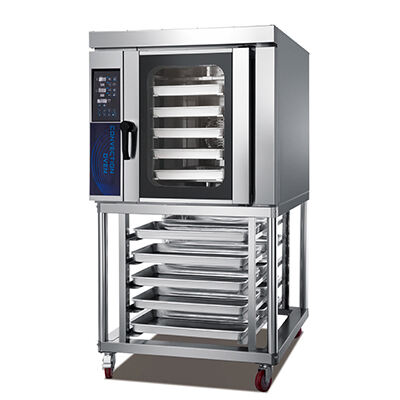
Современные коммерческие пекарни сталкиваются с беспрецедентными требованиями к стабильности, эффективности и контролю качества. Печь конвекционного типа является центральным элементом производственных операций, где точность поддержания температуры приобретает решающее значение для соблюдения стандартов бренда и удовлетворённости клиентов. Понимание основных принципов теплового управления позволяет операторам оптимизировать работу оборудования, одновременно снижая энергозатраты и минимизируя потери продукции за счёт повышения стабильности и надёжности.
Ключевые компоненты контроля температуры
Цифровые системы управления
Современные конструкции пекарских печей с подовой камерой включают сложные цифровые системы управления, обеспечивающие точное регулирование температуры в нескольких зонах. Эти системы используют передовые датчики и микропроцессорную технологию для поддержания заданной температуры с высокой точностью в узких пределах допуска — обычно с погрешностью не более ±2 °F. Цифровой интерфейс позволяет операторам программировать сложные режимы выпечки с несколькими стадиями изменения температуры, что обеспечивает оптимальные результаты при производстве самых разных изделий — от хлебобулочных изделий ручной работы до нежных кондитерских изделий.
Профессиональные цифровые системы управления оснащены программируемыми функциями памяти, которые сохраняют проверенные рецепты и параметры выпечки, обеспечивая стабильные результаты независимо от уровня квалификации оператора. Эти системы часто включают функции регистрации данных, позволяющие отслеживать изменения температуры во времени и предоставляющие ценные сведения для контроля качества и устранения неисправностей. Интеграция интерфейсов с сенсорным экраном упрощает эксплуатацию и одновременно обеспечивает всесторонний мониторинг всех критически важных параметров на протяжении всего процесса выпечки.
Управление температурой в нескольких зонах
Современные конфигурации пекарских шкафов с многоуровневой системой нагрева предусматривают несколько независимо управляемых зон нагрева, что позволяет создавать точные температурные градиенты внутри камеры выпечки. Такая зональная регулировка особенно важна при производстве изделий, требующих строго определённых тепловых профилей, например, хлеба ручной работы, которому необходимы высокие начальные температуры с последующим постепенным их снижением. Каждая зона, как правило, оснащена отдельными нагревательными элементами и датчиками температуры, обеспечивая детальный контроль над тепловой средой.
Стратегическое размещение зон нагрева позволяет операторам одновременно создавать оптимальные условия для выпечки различных категорий продукции. Профессиональные пекари используют эту функцию для максимального использования печи при соблюдении стандартов качества во всём ассортименте продукции. Независимое управление зонами также способствует энергоэффективности, поскольку операторы могут включать только те секции, которые необходимы для выполнения конкретных производственных задач, сокращая общее энергопотребление в периоды низкого объёма производства.
Оптимизация распределения тепла
Принципы термической однородности
Обеспечение стабильной температурной однородности по всей поверхности выпечки представляет собой фундаментальную задачу при эксплуатации проходных пекарских печей. Правильное распределение тепла гарантирует, что изделия получают одинаковую термическую обработку независимо от их расположения внутри рабочей камеры печи, устраняя «горячие зоны», которые могут привести к неравномерному подрумяниванию или различиям в текстуре. В профессиональных установках, как правило, применяются продуманные системы вентиляции и тепловые барьеры для обеспечения равномерной циркуляции воздуха и распределения температуры.
Конструкция камеры для выпечки играет ключевую роль в обеспечении термической однородности; при её проектировании учитываются такие факторы, как толщина теплоизоляции, герметичность дверного уплотнения и характер внутренних потоков воздуха. Регулярная калибровка датчиков температуры в различных зонах позволяет выявить возможные проблемы с распределением тепла до того, как они повлияют на качество продукции. Опытные операторы понимают, что проведение теплового картирования даёт ценные данные для оптимизации работы печи и выявления участков, требующих технического обслуживания.
Интеграция подачи пара
Системы впрыска пара представляют собой передовую функцию в современных конструкциях конвекционных печей для хлебопечения, обеспечивающую контролируемое введение влаги на определённых этапах цикла выпечки. Эта возможность особенно ценна при производстве арт-хлеба, поскольку начальное воздействие пара создаёт идеальные условия для «раскрытия» теста в духовке (oven spring) и формирования корочки. Точное время и продолжительность подачи пара требуют тщательной синхронизации с системами контроля температуры для достижения оптимальных результатов.
Профессиональные паровые системы оснащены независимыми органами управления, позволяющими операторам настраивать уровень влажности в соответствии с конкретными требованиями к изделию. Интеграция впрыска пара с управлением температурой позволяет создавать сложные профили выпечки, имитирующие традиционные европейские методы выпечки, при одновременном сохранении преимуществ современного оборудования — стабильности и воспроизводимости результатов. Правильное техническое обслуживание паровых систем обеспечивает их надёжную работу и предотвращает образование минеральных отложений, которые могут негативно повлиять как на эксплуатационные характеристики оборудования, так и на качество продукции.
Стратегии контроля температуры
Системы мониторинга в реальном времени
Непрерывный контроль температуры обеспечивает важные данные для поддержания оптимальных условий выпечки и выявления потенциальных проблем до того, как они повлияют на качество продукции. Современные установки конвекционных печей для хлебопекарен оснащаются несколькими датчиками температуры, расположенными стратегически по всему рабочему объёму камеры выпечки, что обеспечивает всесторонний охват тепловых условий. Эти датчики, как правило, характеризуются быстрым временем отклика и высокой точностью измерений, гарантируя надёжность данных для работы системы управления.
Современные системы мониторинга включают функции сигнализации, которые оповещают операторов о отклонениях температуры за пределы допустимых значений, что позволяет немедленно принять корректирующие меры. Интеграция возможностей удалённого мониторинга позволяет руководящему персоналу отслеживать работу печи из центральных пунктов управления, обеспечивая проактивное планирование технического обслуживания и соблюдение процедур контроля качества. Функции регистрации данных обеспечивают хранение исторических записей температурных показателей, что поддерживает требования к документированию качества и инициативы по оптимизации производственных процессов.
Протоколы калибровки и обслуживания
Регулярная калибровка оборудования для контроля температуры обеспечивает сохранение точности и надёжности при эксплуатации печей конвекционного типа для хлебопекарного производства. Профессиональные процедуры калибровки, как правило, включают сравнение показаний с аттестованными эталонными стандартами и корректировку показаний датчиков для поддержания заданного уровня точности. Частота калибровки зависит от режима эксплуатации и условий окружающей среды: в производственных процессах с высокой интенсивностью использование оборудования часто требует более частой проверки для обеспечения оптимальной работы.
Программы профилактического технического обслуживания включают регулярный осмотр датчиков температуры, панелей управления и соответствующей электропроводки для выявления потенциальных неисправностей до того, как они приведут к отказу оборудования. Профессиональные протоколы технического обслуживания также предусматривают процедуры очистки датчиков и компонентов систем управления, что гарантирует точность измерений и продлевает сервис срок службы. Документирование операций калибровки обеспечивает необходимые записи для программ обеспечения качества и выполнения требований в области нормативно-правового регулирования.
Учитывание энергоэффективности
Производительность тепловосстановления
Коэффициент теплового восстановления кондитерской печи с подовой камерой напрямую влияет как на энергоэффективность, так и на производственную мощность: более короткое время восстановления температуры позволяет увеличить пропускную способность при сохранении стабильного качества продукции. Профессиональные печи, как правило, оснащаются надёжными системами нагрева, предназначенными для быстрого восстановления заданной температуры после открытия дверцы или загрузки изделий. Тепловая масса конструкции печи существенно влияет на характеристики восстановления температуры: в хорошо спроектированных моделях температура остаётся стабильной даже при технологических перерывах.
Энергоэффективные конструкции включают применение передовых теплоизоляционных материалов и технологий изготовления, позволяющих минимизировать потери тепла и одновременно максимизировать его аккумуляцию. Целесообразное размещение нагревательных элементов и усовершенствованные конструкции теплообменников способствуют сокращению времени восстановления температуры и снижению энергопотребления. Операторы могут повысить энергоэффективность за счёт сокращения частоты и продолжительности открывания дверцы, а также координации операций загрузки для минимизации тепловых потерь.
Управление умной энергией
Современные системы пекарских печей с многоярусной камерой оснащены интеллектуальными функциями управления энергопотреблением, которые автоматически корректируют режимы нагрева в зависимости от графиков производства и эксплуатационных требований. Эти системы снижают энергопотребление в периоды простоя, одновременно обеспечивая готовность к быстрому восстановлению заданной температуры при необходимости. Программируемые функции расписания позволяют операторам оптимизировать режимы потребления энергии в соответствии с ежедневными циклами производства и периодами пиковой нагрузки.
Передовые системы управления энергопотреблением отслеживают характер потребления электроэнергии и предоставляют подробные отчёты об энергетических трендах, что позволяет операторам выявлять возможности для повышения эффективности. Интеграция вентиляторов с регулируемой скоростью вращения и модулируемых нагревательных элементов обеспечивает точный контроль над подводимой энергией при сохранении оптимальных условий выпечки. Эти функции способствуют снижению эксплуатационных затрат и повышению экологической устойчивости коммерческих пекарен.
Температурные требования, специфичные для каждого продукта
Применение в производстве хлеба ручной работы
Производство хлеба ручной работы требует точного контроля температуры на всех этапах процесса выпечки: сначала применяются высокие температуры для обеспечения оптимального подъёма теста в духовке (oven spring), а затем температура постепенно снижается для правильного формирования корочки. В профессиональных пекарнях при использовании печей с каменной плитой (deck oven) выпечку изделий ручной работы обычно начинают при температуре от 450 до 500 градусов по Фаренгейту, после чего реализуют контролируемые профили снижения температуры, параметры которых варьируются в зависимости от типа хлеба и требуемых характеристик.
Температурный профиль для хлеба ручной работы должен учитывать состав теста, уровень его увлажнённости и желаемые характеристики корочки. Для плотных хлебов из цельнозерновой муки может потребоваться более длительная выпечка при умеренных температурах, тогда как обеднённые (маложирные) виды теста лучше всего реагируют на высокую начальную температуру с последующим постепенным её снижением. Опытные пекари разрабатывают индивидуальные температурные профили, оптимизирующие одновременно формирование корочки и сохранение влаги внутри изделия для конкретных ассортиментных позиций.
Выпечка кондитерских изделий и деликатных продуктов
Производство кондитерских изделий требует иных стратегий контроля температуры по сравнению с выпечкой хлеба: здесь важна мягкая и стабильная подача тепла для правильного формирования текстуры без обгорания нежных поверхностей. При работе профессиональных пекарских печей с подовой поверхностью для выпечки кондитерских изделий обычно используют умеренные температуры в диапазоне от 325 до 375 градусов по Фаренгейту с тщательным контролем равномерности распределения тепла, чтобы предотвратить подгорание или неравномерное румянец.
Слоёные теста, такие как круассаны и датские булочки, требуют точного контроля температуры для обеспечения правильного разделения слоёв и рассыпчатости без потери структурной целостности. Тепловой профиль должен способствовать постепенному испарению влаги при одновременном обеспечении достаточного уровня тепла для правильного подъёма и образования румянца. Операторы зачастую используют более низкую температуру на подовой поверхности в сочетании с регулируемым верхним нагревом для достижения оптимальных результатов при выпечке этих нежных изделий.
Контроль качества посредством управления температурой
Стандарты согласованности
Поддержание стабильного качества продукции требует строгого соблюдения установленных температурных протоколов и регулярной проверки тепловой производительности во всех зонах конвекционной печи для выпечки. Программы контроля качества, как правило, включают процедуры верификации температуры, обеспечивающие соответствие фактических условий в печи заданным программным параметрам в пределах допустимых отклонений. Эти протоколы часто предусматривают использование калиброванных температурных зондов, устанавливаемых в нескольких точках внутри камеры выпечки во время плановых проверок качества.
Профессиональные стандарты качества требуют документирования температурных условий для каждой производственной партии, обеспечивая прослеживаемость и поддерживая инициативы по непрерывному совершенствованию. Методы статистического управления процессами, применяемые к температурным данным, позволяют выявлять тенденции и отклонения, которые могут свидетельствовать о необходимости технического обслуживания или корректировки эксплуатационных параметров. Установление пределов контроля температуры на основе спецификаций продукции обеспечивает стабильность результатов и минимизирует риск отклонений от требований к качеству.
Устранение неисправностей, связанных с температурой
Распространённые проблемы, связанные с температурой при эксплуатации кондитерских печей с многоуровневыми рабочими поверхностями, включают неравномерное распределение тепла, медленное восстановление заданной температуры и превышение температуры за пределы установленных значений. Системный подход к устранению неисправностей начинается с проверки точности показаний датчиков и их калибровки, после чего проводится осмотр нагревательных элементов и компонентов системы управления. Профессиональные техники используют оборудование для термографии и методы картирования температурного поля для выявления конкретных участков, требующих внимания.
Программы профилактического обслуживания направлены на устранение распространённых причин проблем с регулированием температуры, включая дрейф датчиков, деградацию нагревательных элементов и ухудшение теплоизоляции. Регулярная очистка датчиков температуры и компонентов системы управления предотвращает загрязнение, которое может повлиять на точность и надёжность работы. В профессиональных графиках технического обслуживания обычно предусмотрено периодическое тестирование тепловой производительности для обеспечения постоянного соответствия стандартам качества и эксплуатационным требованиям.
Часто задаваемые вопросы
Каков оптимальный температурный диапазон для большинства коммерческих выпечных процессов в пекарской печи с подом?
Большинство коммерческих выпечных процессов в пекарской печи с подом эффективно осуществляются в диапазоне температур от 350 до 450 °F, хотя конкретные требования значительно варьируются в зависимости от типа продукции. Для арт-хлеба обычно требуются более высокие начальные температуры — около 450–500 °F, тогда как кондитерские изделия и торты лучше всего выпекаются при умеренных температурах в диапазоне 325–375 °F. Ключевой момент заключается в понимании того, что каждая категория продукции имеет свои уникальные тепловые требования, а современные печи с подом обеспечивают необходимую гибкость для учёта этих различий благодаря программируемым температурным профилям и системам управления с несколькими зонами.
Как часто следует проводить калибровку температуры на коммерческом пекарском оборудовании?
Калибровку температуры профессиональной кондитерской печи с подовой камерой следует проводить ежеквартально при высокой интенсивности эксплуатации или, как минимум, раз в шесть месяцев при стандартном коммерческом использовании. Однако частота калибровки может потребоваться увеличить в зависимости от интенсивности эксплуатации, условий окружающей среды и требований к качеству. Признаками необходимости немедленной калибровки являются нестабильные результаты производства изделий, расхождения в показаниях температуры на дисплее или проведение любых масштабных работ по техническому обслуживанию систем нагрева. Многие операторы также еженедельно выполняют быструю проверку температуры с помощью портативных аттестованных термометров, чтобы обеспечить сохранение точности между официальными процедурами калибровки.
Каковы наиболее распространённые причины неравномерного распределения тепла в печах с подовой камерой
Неравномерное распределение тепла при работе пекарских печей с подовой камерой чаще всего вызвано повреждёнными уплотнениями дверцы, заблокированными каналами вентиляции или выходом из строя нагревательных элементов в отдельных зонах. Накопление мучной пыли и загрязнений может перекрывать пути циркуляции воздуха, а изношенные уплотнительные прокладки дверцы приводят к теплопотерям, вызывающим температурные неоднородности. Кроме того, неправильные методы загрузки, препятствующие циркуляции воздуха, или повреждение внутренней теплоизоляции также способствуют образованию «горячих точек» и «холодных зон». Регулярное техническое обслуживание — включая очистку воздушных каналов, проверку уплотнений и проведение термомаппинга — помогает выявить и устранить эти проблемы распределения тепла до того, как они скажутся на качестве продукции.
Как впрыск пара влияет на требования к регулированию температуры в профессиональной выпечке
Системы впрыска пара в пекарных конвекционных печах требуют тщательной координации с системой регулирования температуры для достижения оптимальных результатов без ущерба для термостабильности. Введение пара, как правило, вызывает кратковременное падение температуры на 10–15 градусов по Фаренгейту, что требует быстрой компенсации со стороны нагревательной системы для поддержания заданного температурного режима. В профессиональных установках применяются устройства управления временем подачи пара, которые синхронизируют периоды впрыска с циклами восстановления температуры, обеспечивая поддержание тепловых условий в допустимых пределах. Содержание влаги также влияет на характеристики теплопередачи, зачастую требуя незначительной корректировки продолжительности выпечки или температурных профилей для получения стабильных результатов при различных уровнях влажности.
Содержание
- Ключевые компоненты контроля температуры
- Оптимизация распределения тепла
- Стратегии контроля температуры
- Учитывание энергоэффективности
- Температурные требования, специфичные для каждого продукта
- Контроль качества посредством управления температурой
-
Часто задаваемые вопросы
- Каков оптимальный температурный диапазон для большинства коммерческих выпечных процессов в пекарской печи с подом?
- Как часто следует проводить калибровку температуры на коммерческом пекарском оборудовании?
- Каковы наиболее распространённые причины неравномерного распределения тепла в печах с подовой камерой
- Как впрыск пара влияет на требования к регулированию температуры в профессиональной выпечке